
Speech & Language Therapy at QLS Level 5
Learn how to help people with speech problems in our QLS endorsed and CPD-accredited Speech & Language Therapy course. You’ll discover how speech works, how to support children and adults with communication issues, and develop the skills to make a real difference in their lives. Join now and start your journey!




Speech & Language Therapy at QLS Level 5
Exclusive Deal! 94% Off, Today Only!
Sale Ends In

 All courses for
£99
All courses for
£99 


 1 Year Access
  Level 5
 224 Students
 -
 2 weeks, 1 day
- Original price was: £415.£25Current price is: £25. ex VAT
- 1 year
- Level 5
- Number of Units11
- Number of Quizzes2
- 2 weeks, 1 day Gift this course
 14-Day Money-Back Guarantee
Overview
Imagine the joy and pride you feel when a child who struggles with speech finally says their first full sentence, or when an adult regains their ability to speak after a life-changing accident. These moments of success are what Speech & Language Therapists work towards every day.
In the UK, around 1 in 10 children have a speech, language, or communication need, highlighting the need for skilled therapists. This course will teach you how speech works, how to help children and adults with speech difficulties, and how to make a lasting impact on their communication skills.
In this Speech & Language Therapy course, you will learn about how speech happens in our body, how language develops, and how to help people with speech difficulties. You’ll discover ways to help children and adults speak clearly and confidently. By the end, you’ll be ready to support people in your community and work in speech therapy.
If you care about helping others speak and communicate better, this course is for you! Start today and become a Speech & Language Therapist who makes a difference.
Learning outcomes:
- Understand the anatomical and physiological basis of human speech production.
- Analyse the characteristics of speech from a linguistic discipline perspective.
- Explain typical literacy and language development milestones in children.
- Identify and describe various speech and language disorders in children.
- Recognize common communication and swallowing disorders affecting adults.
- Implement practical strategies to assist children with speech difficulties.
Why choose Speech & Language Therapy at QLS Level 5 Diploma?
- Level 5 QLS Endorsed and CPD Accredited Course
- No need to worry about hidden charges
- Tutor assistance on every weekday
- Practical and honest assessments performed immediately
- Personal PDF certificate awarded on passing
- Gain valuable and recognised experience without leaving your home
Who Is This Course For?
- Aspiring speech therapy assistants
- Teaching assistants
- Healthcare support workers
- Parents and caregivers
- Special education needs staff
- Those seeking subject knowledge
Assessment
For assessing your learning, you have to complete an automated MCQ exam. It is required for the students to score at least 60% to pass the exam and fulfil the Quality Licence Scheme-endorsed certificate criteria. Learners can apply for the certificate after they clear the exam.
There are assignment questions provided at the end of the course. You are suggested to complete the questions to enrich your understanding of the course. You can complete this according to your preferred time. The expert tutor will provide feedback on your performance after assessing your assignment.
Certificate of Achievement
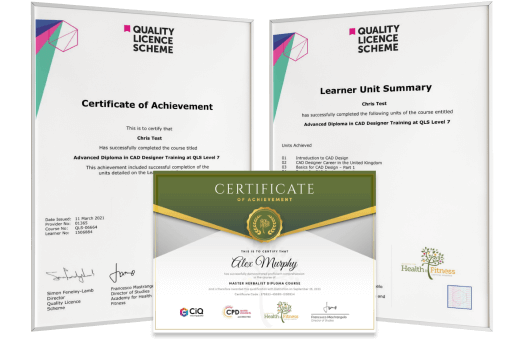
Endorsed Certificate of Achievement from the Quality Licence Scheme
After successfully completing the course, learners will be able to order an endorsed certificate as proof of their new achievement. Endorsed certificates can be ordered and get delivered to your home by post for only £119. There is an additional £10 postage charge for international students.
CPD Certification
After completing the course, you will qualify for the CPD Certificate from HF Online as proof of your continued professional development. You can obtain the certification in PDF format for £10, or we can send a hard copy via post for just £29.
Job Opportunities
- Speech and Language Therapy Assistant
Supports the qualified therapist by carrying out direct therapy sessions and administrative tasks. Average salary: £20,000 – £27,000. - Teaching Assistant (SEN Focus)
Works one-on-one or with groups of children who have special educational needs, often including communication difficulties. Average salary: £17,000 – £21,000. - Special Educational Needs (SEN) Coordinator Assistant
Helps the SENCO manage support provisions and resources for students with complex needs. Average salary: £22,000 – £30,000. - Care Support Worker
Supports clients with various disabilities, including those who have communication or swallowing difficulties. Average salary: £18,000 – £24,000. - Rehabilitation Assistant
Assists in the delivery of rehabilitation programs for adults recovering from stroke or brain injury. Average salary: £19,000 – £26,000. - Early Years Practitioner
Focuses on developing communication skills in pre-school children in nurseries or children’s centres. Average salary: £17,000 – £23,000. - Key Worker (Children’s Services)
Acts as a primary contact for families, helping coordinate support for a child with developmental needs. Average salary: £20,000 – £28,000. - Hospital Support Worker
Provides practical help and emotional support to patients on hospital wards, including those with communication challenges. Average salary: £19,000 – £25,000. - Youth Worker
Supports young people, potentially including those with social communication difficulties, in community settings. Average salary: £20,000 – £28,000.
Course Curriculum
| Speech & Language Therapy at QLS Level 5 | |||
| Module 01: An Overview of Speech Therapy | 00:13:00 | ||
| Module 02: The Science of Speech | 00:20:00 | ||
| Module 03: The Anatomy of Speech | 01:00:00 | ||
| Module 04: Characteristic of Speech: Linguistic Discipline | 00:27:00 | ||
| Module 05: Literacy and Language Development | 00:22:00 | ||
| Module 06: Child Speech & Language Disorders | 00:32:00 | ||
| Module 07: Adult Speech & Language Disorders | 00:29:00 | ||
| Module 08: How to Help a Child with SL Difficulties | 00:25:00 | ||
| Mock Exam | |||
| Mock Exam – Speech & Language Therapy at QLS Level 5 | 00:20:00 | ||
| Final Exam | |||
| Final Exam – Speech & Language Therapy at QLS Level 5 | 00:20:00 | ||
| Assignment | |||
| Assignment – Speech & Language Therapy at QLS Level 5 | 2 weeks, 1 day | ||
| Order Your Certificate | |||
| Claim Your Certificates | 00:00:00 | ||
| Thank you for being a part of this course! We'd appreciate your feedback! | |||
| Thank you for being a part of this course! We’d appreciate your feedback! | 00:00:00 | ||
Recommended Courses

Care Certificate Course - Standards (1 to 16)
 20886
20886
5
View More

Health and Social Care Level 5 Diploma
16490
4.5
View More

Advanced Diploma in Life Coaching & Mentoring at QLS Level 7
14124
4.7