Stress can quietly affect wellbeing, focus and everyday decisions before it becomes difficult to manage. Build practical awareness of triggers, coping strategies and nutrition to recognise risks earlier. Enrol today.
4.5
(6 Reviews)
63 Students
Exclusive Deal! 94% Off, Today Only!
Sale Ends In
Stress can influence concentration, relationships, productivity and overall wellbeing, yet its warning signs are not always recognised early. In the UK, growing awareness of workplace wellbeing has made understanding stress increasingly valuable for individuals, employers and professionals supporting others. Without appropriate knowledge, ongoing stress can affect everyday functioning and make healthy coping more difficult.
This Stress Awareness course introduces the foundations of stress, helping learners understand what stress is and how different risk factors can contribute to it. You will explore practical stress management strategies alongside the relationship between nutrition and stress, developing a balanced understanding of lifestyle factors that can support wellbeing.
By completing the course, you will have greater confidence recognising potential stress factors and considering appropriate management approaches. Build valuable awareness before stress becomes harder to address, and strengthen your understanding with this focused training today.
There are no formal prerequisites to enrol in this Stress Awareness course. It is suitable for both beginners and individuals already working in care who want to develop their skills further.
The course is fully accessible online, allowing you to study from home using any internet-enabled device.
All you need is a willingness to learn, basic literacy skills, and to be over the age of 16.
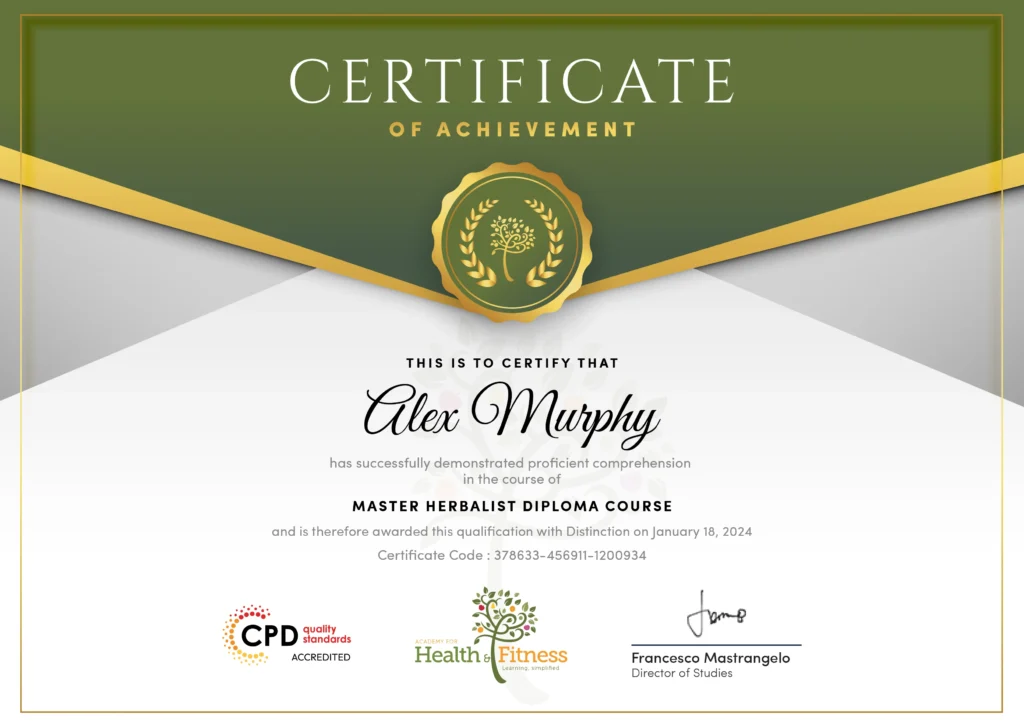
After successfully completing the course, you will qualify for a CPD Certificate as proof of your continued professional development and achievement. This certificate can enhance your professional profile and showcase your commitment to building relevant skills and knowledge. You can receive your digital certificate for only £10, or request a printed hard copy sent by post for just £29 or both for £39.
For assessing your learning, you have to complete an automated MCQ exam. It is required for the students to score at least 60% to pass the exam and fulfil the Quality Licence Scheme-endorsed certificate criteria. Learners can apply for the certificate after they clear the exam.
There are assignment questions provided at the end of the course. You are suggested to complete the questions to enrich your understanding of the course. You can complete this according to your preferred time. The expert tutor will provide feedback on your performance after assessing your assignment.
Stress awareness can complement existing responsibilities across wellbeing, education, care and workplace support settings in the UK. The course can strengthen relevant knowledge, although specific roles may require additional qualifications, experience or professional registration.
Stress awareness involves understanding what stress is, what can contribute to it, and how it may affect everyday wellbeing. It also encourages recognition of appropriate strategies for managing stressful circumstances.
Â
Stress can influence concentration, mood, sleep, relationships and everyday performance. Understanding these potential effects can help individuals recognise when healthier coping approaches may be appropriate.
Â
Risk factors can include workplace pressures, major life changes, financial concerns, relationship difficulties and prolonged demands. Different people can respond differently to similar circumstances.
Awareness can help employees and managers recognise potential sources of pressure and encourage healthier workplace practices. It can also support more informed conversations about wellbeing.
The course examines practical approaches for managing stress and developing healthier responses to stressful situations. Strategies are considered within the broader context of personal wellbeing.
Nutrition is explored as one lifestyle factor connected with overall wellbeing during stressful periods. The course encourages learners to understand its relevance without presenting food as a substitute for professional support.
Â
Yes, the course provides foundational knowledge and does not require previous specialist experience. It is suitable for learners seeking a structured introduction to the subject.
It can complement roles involving workplace wellbeing, education, care, support or people management. However, particular UK professions may require additional qualifications, training or registration.
Â
Recognising stress factors involves considering circumstances, demands and lifestyle patterns that may contribute to pressure. Greater awareness can help individuals consider appropriate responses before difficulties become more challenging.
Â
You can apply your learning to personal wellbeing and relevant workplace or support responsibilities. The course can also provide useful knowledge for further study in wellbeing, care or related areas.
| Module 1: Defining Stress | |||
| Defining Stress | 00:23:00 | ||
| Module 2: Risk Factors for Stress | |||
| Risk Factors for Stress | 00:15:00 | ||
| Module 3: Stress Management Strategies | |||
| Stress Management Strategies | 00:20:00 | ||
| Module 4: Nutrition and Stress | |||
| Nutrition and Stress | 00:23:00 | ||
| Module 1: Defining Stress | |||
| Defining Stress | 00:23:00 | ||
| Module 2: Risk Factors for Stress | |||
| Risk Factors for Stress | 00:15:00 | ||
| Module 3: Stress Management Strategies | |||
| Stress Management Strategies | 00:20:00 | ||
| Module 4: Nutrition and Stress | |||
| Nutrition and Stress | 00:23:00 | ||