Dyslexia can affect learning, confidence and classroom experiences when misunderstood. Build practical awareness of learning difficulties, cognitive approaches and legal considerations, helping you recognise support needs before they are overlooked. Enrol today.
4.5
(6 Reviews)
69 Students
Exclusive Deal! 94% Off, Today Only!
Sale Ends In
Dyslexia can influence how people process information, read, write and learn, yet misunderstandings about it can affect educational experiences and confidence. In UK schools and learning environments, recognising individual needs is an important part of creating inclusive support. Without sufficient awareness, signs of dyslexia may be overlooked or mistaken for a lack of ability, potentially leaving learners without appropriate understanding.
This course introduces the key principles of dyslexia and its relationship with learning difficulties. You will explore dyslexia within school environments, consider cognitive approaches that help explain differences in learning and examine important legal, ethical and professional considerations. The course provides a focused foundation for understanding dyslexia without assuming specialist knowledge.
By completing the course, you will be better prepared to recognise relevant challenges, communicate more sensitively and appreciate the importance of appropriate educational support. Develop your awareness now and avoid missing opportunities to make learning environments more inclusive and responsive.
There are no formal prerequisites to enrol in this Dyslexia Awareness course. It is suitable for both beginners and individuals already working in care who want to develop their skills further.
The course is fully accessible online, allowing you to study from home using any internet-enabled device.
All you need is a willingness to learn, basic literacy skills, and to be over the age of 16.
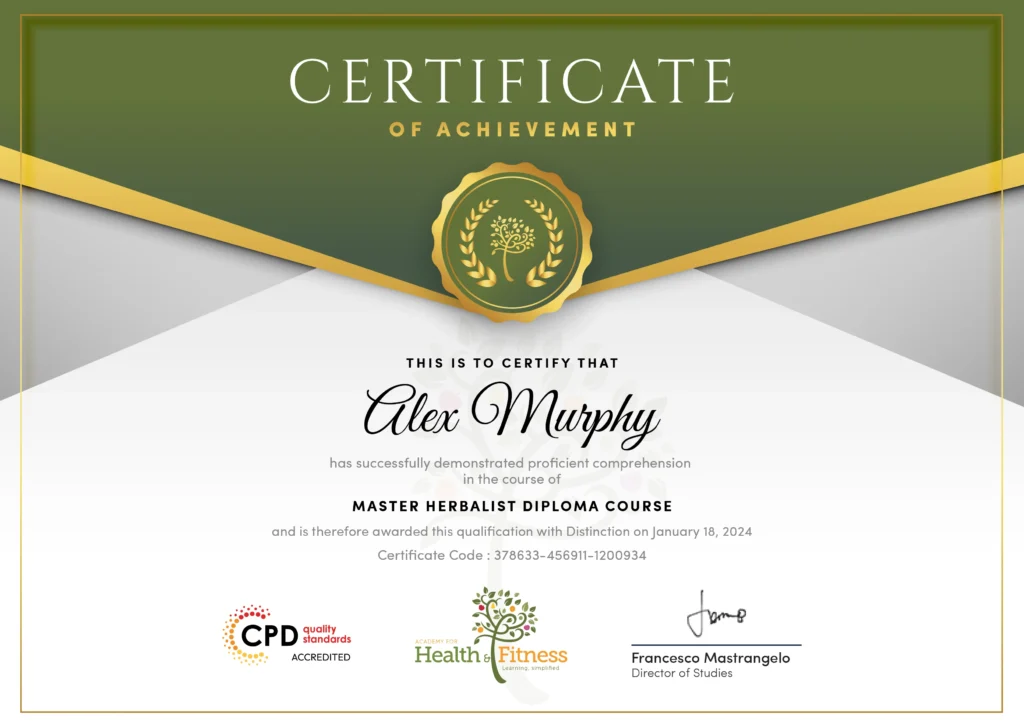
After successfully completing the course, you will qualify for a CPD Certificate as proof of your continued professional development and achievement. This certificate can enhance your professional profile and showcase your commitment to building relevant skills and knowledge. You can receive your digital certificate for only £10, or request a printed hard copy sent by post for just £29 or both for £39.
For assessing your learning, you have to complete an automated MCQ exam. It is required for the students to score at least 60% to pass the exam and fulfil the Quality Licence Scheme-endorsed certificate criteria. Learners can apply for the certificate after they clear the exam.
There are assignment questions provided at the end of the course. You are suggested to complete the questions to enrich your understanding of the course. You can complete this according to your preferred time. The expert tutor will provide feedback on your performance after assessing your assignment.
Dyslexia awareness can complement existing education, childcare, learning-support and care experience by strengthening understanding of individual learning needs. The course does not itself qualify learners for regulated teaching, diagnostic or specialist roles, but can provide useful knowledge for relevant professional environments.
Salary ranges are indicative UK figures and can vary according to location, employer, experience, working hours and qualifications.
Dyslexia is a specific learning difficulty that primarily affects reading, spelling and related language-processing skills. Its presentation varies between individuals, and it is not an indication of intelligence.
Â
Dyslexia can affect areas such as reading fluency, spelling, written work and processing written information. The impact differs between learners, so support should reflect individual strengths and needs.
Â
Possible characteristics include difficulties with reading accuracy, spelling, phonological processing and working with written information. However, individual experiences vary, and awareness of characteristics should not be treated as a diagnosis.
Awareness can help education professionals recognise potential learning barriers and respond more appropriately to individual differences. It can also support more inclusive communication between schools, learners and families.
Cognitive approaches consider processes involved in areas such as memory, attention, language and information processing. Exploring these perspectives can provide greater insight into why learners may experience particular difficulties.
Dyslexia has particular associations with reading and language-related processing, while other learning difficulties may primarily affect different areas. Some learners can experience more than one learning difficulty at the same time.
Â
No. This course provides awareness and educational knowledge rather than diagnostic training. Formal identification and assessment should be undertaken through appropriate qualified professionals and established procedures.
UK equality and education legislation can provide protections and responsibilities concerning disability and reasonable adjustments, depending on individual circumstances. Professionals should follow current organisational policies and applicable legal requirements.
Â
Respect, confidentiality, dignity and avoiding assumptions are important when working with learners who may have dyslexia. Support should recognise individual strengths and avoid labelling or lowering expectations.
Â
Yes. The course can strengthen foundational knowledge of dyslexia, learning difficulties, school experiences, cognitive approaches and relevant legal and ethical considerations. It can complement existing qualifications and professional experience without replacing specialist training.
| Module 01: Introduction to Dyslexia? | |||
| Introduction to Dyslexia | 00:16:00 | ||
| Module 02: Dyslexia and Learning Difficulties | |||
| Dyslexia and Learning Difficulties | 00:15:00 | ||
| Module 03: Dyslexia in the School | |||
| Dyslexia in the School | 00:17:00 | ||
| Module 04: Cognitive Approaches in Dyslexia | |||
| Cognitive Approaches to Dyslexia | 00:20:00 | ||
| Module 05: Legal Ethics and Considerations in Dyslexia | |||
| Legal Ethics and Considerations in Dyslexia | 00:15:00 | ||
| Module 01: Introduction to Dyslexia? | |||
| Introduction to Dyslexia | 00:16:00 | ||
| Module 02: Dyslexia and Learning Difficulties | |||
| Dyslexia and Learning Difficulties | 00:15:00 | ||
| Module 03: Dyslexia in the School | |||
| Dyslexia in the School | 00:17:00 | ||
| Module 04: Cognitive Approaches in Dyslexia | |||
| Cognitive Approaches to Dyslexia | 00:20:00 | ||
| Module 05: Legal Ethics and Considerations in Dyslexia | |||
| Legal Ethics and Considerations in Dyslexia | 00:15:00 | ||