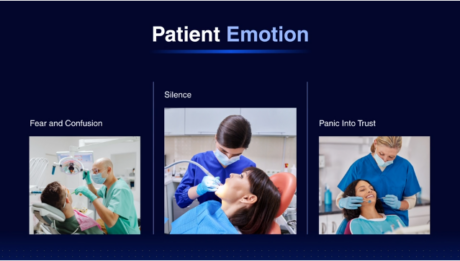
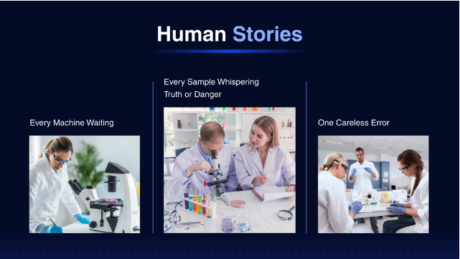
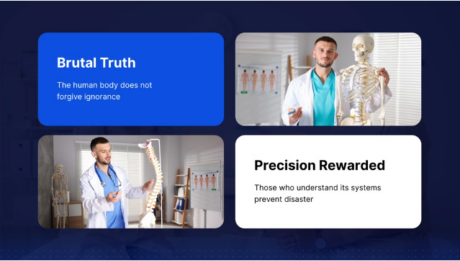
Understanding the human body and laboratory processes is vital in modern healthcare. Missing essential knowledge of anatomy, blood collection, and diagnostics can limit opportunities. Build your confidence and skills today. Enrol today
4.5
(6 Reviews)
175 Students
Exclusive Deal! 94% Off, Today Only!
Sale Ends In
Every healthcare decision begins with understanding the human body, yet many professionals lack the foundational knowledge needed to interpret clinical information confidently. As healthcare roles become increasingly specialised across the UK, understanding anatomy, physiology, and laboratory practices is more valuable than ever.
This course introduces learners to the structure and functions of major body systems, while exploring the principles of phlebotomy, specimen handling, and biomedical science. You will develop knowledge of blood collection procedures, laboratory environments, and the importance of professional standards within clinical settings.
By completing this Anatomy & Physiology with Phlebotomy & Biomedical Science course, you will gain a stronger understanding of healthcare processes and laboratory practices. Build the knowledge needed to support your career development and avoid being unprepared for evolving healthcare expectations.
There are no formal prerequisites to enrol in this Health and Social Care Level 4 course. It is suitable for both beginners and individuals already working in care who want to develop their skills further.
The course is fully accessible online, allowing you to study from home using any internet-enabled device.
All you need is a willingness to learn, basic literacy skills, and to be over the age of 16.
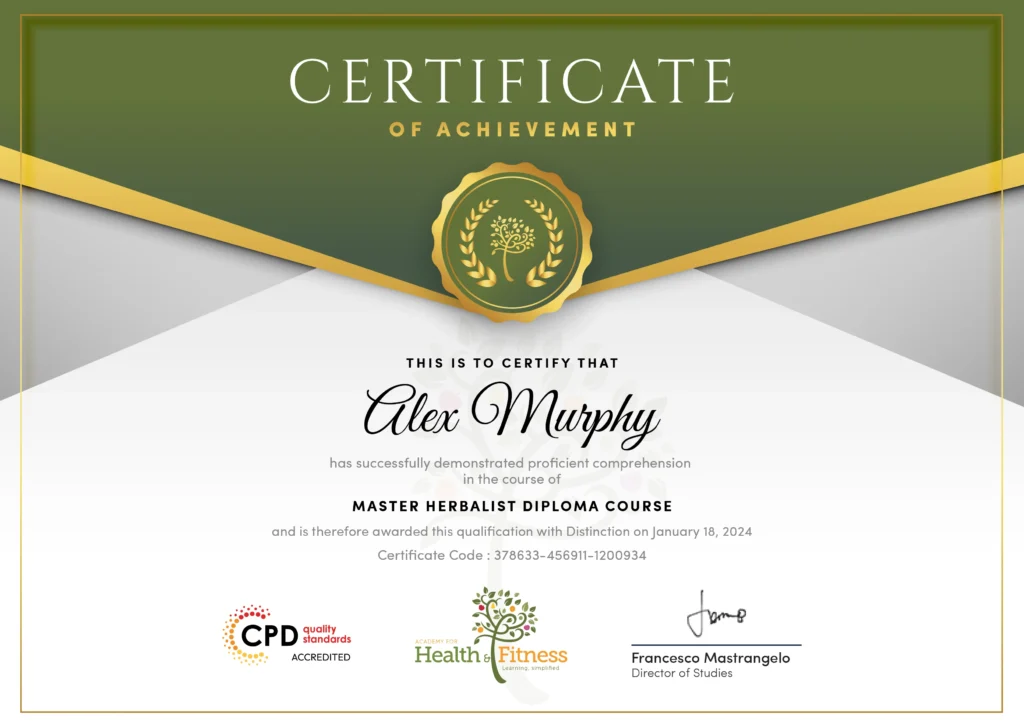
After successfully completing the course, you will qualify for a CPD Certificate as proof of your continued professional development and achievement. This certificate can enhance your professional profile and showcase your commitment to building relevant skills and knowledge. You can receive your digital certificate for only £10, or request a printed hard copy sent by post for just £29 or both for £39.
For assessing your learning, you have to complete an automated MCQ exam. It is required for the students to score at least 60% to pass the exam and fulfil the Quality Licence Scheme-endorsed certificate criteria. Learners can apply for the certificate after they clear the exam.
There are assignment questions provided at the end of the course. You are suggested to complete the questions to enrich your understanding of the course. You can complete this according to your preferred time. The expert tutor will provide feedback on your performance after assessing your assignment.
Understanding anatomy, phlebotomy, and biomedical science can support progression into various healthcare and laboratory-related roles across the UK. These skills are valuable for individuals seeking entry-level positions or enhancing their existing healthcare knowledge.
This course combines knowledge of human body systems with blood collection and laboratory practices. It provides an understanding of how these areas connect within healthcare environments.
Â
Understanding anatomy helps healthcare professionals recognise body functions and clinical processes more effectively. It provides a foundation for interpreting healthcare information.
Â
Phlebotomy allows healthcare professionals to collect blood samples for diagnostic testing. Accurate procedures help support reliable laboratory results and patient care.
Biomedical science involves analysing biological samples to support diagnosis and treatment decisions. Laboratory professionals use scientific methods to examine patient information.
Correct specimen handling helps maintain sample quality and accuracy. Poor handling procedures can affect the reliability of laboratory investigations.
Knowledge of body systems helps professionals understand how illnesses and treatments affect patients. It supports safer and more informed care practices.
Â
Learners develop knowledge of blood collection principles, safety procedures, and professional communication. These skills support healthcare-related career development.
Â
Laboratory practice provides essential information used by healthcare professionals when assessing patient conditions. Accurate testing supports effective clinical decisions.
Â
Â
Yes, the course is designed for beginners and existing professionals seeking additional knowledge. It provides a structured introduction to anatomy, phlebotomy, and biomedical science.
Â
The course helps learners develop relevant healthcare knowledge and laboratory awareness. It can support further learning and progression into related healthcare roles.
| Module 1 – Foundations of Human Anatomy and Physiology | |||
| Foundations of Human Anatomy and Physiology | 00:08:00 | ||
| Module 2 – Major Body Systems and Clinical Relevance | |||
| Major Body Systems and Clinical Relevance | 00:08:00 | ||
| Module 3 – Principles of Phlebotomy and Specimen Handling | |||
| Principles of Phlebotomy and Specimen Handling | 00:07:00 | ||
| Module 4 – Biomedical Science and Laboratory Practice | |||
| Biomedical Science and Laboratory Practice | 00:08:00 | ||
| Module 5 – Clinical Integration and Professional Standards | |||
| Clinical Integration and Professional Standards | 00:08:00 | ||
| Module 1 – Foundations of Human Anatomy and Physiology | |||
| Foundations of Human Anatomy and Physiology | 00:08:00 | ||
| Module 2 – Major Body Systems and Clinical Relevance | |||
| Major Body Systems and Clinical Relevance | 00:08:00 | ||
| Module 3 – Principles of Phlebotomy and Specimen Handling | |||
| Principles of Phlebotomy and Specimen Handling | 00:07:00 | ||
| Module 4 – Biomedical Science and Laboratory Practice | |||
| Biomedical Science and Laboratory Practice | 00:08:00 | ||
| Module 5 – Clinical Integration and Professional Standards | |||
| Clinical Integration and Professional Standards | 00:08:00 | ||