Many employees with ADHD face workplace barriers when support and awareness are missing. Understanding inclusive practices can prevent overlooked potential and workplace challenges. Build your knowledge and confidence to create change. Enrol today.
4.5
(6 Reviews)
137 Students
Exclusive Deal! 94% Off, Today Only!
Sale Ends In
ADHD can affect focus, organisation, communication, and workplace experiences, yet many organisations still lack the awareness needed to provide effective support. Without understanding reasonable adjustments and inclusive practices, employers may unintentionally create barriers for talented employees.
This course explores ADHD in the workplace, helping learners understand legal responsibilities, workplace policies, and practical adjustments that promote inclusion. You will examine manager tools, inclusive workplace design, employee advocacy, support strategies, and methods for measuring positive cultural change.
By completing this Supporting ADHD in the Workplace course, you will develop the knowledge to contribute to more accessible and supportive working environments across the UK. Gain essential awareness, strengthen workplace inclusion, and avoid missing opportunities to support employees effectively. Enrol today and take a meaningful step towards creating a more understanding workplace.
There are no formal prerequisites to enrol in this Health and Social Care Level 4 course. It is suitable for both beginners and individuals already working in care who want to develop their skills further.
The course is fully accessible online, allowing you to study from home using any internet-enabled device.
All you need is a willingness to learn, basic literacy skills, and to be over the age of 16.
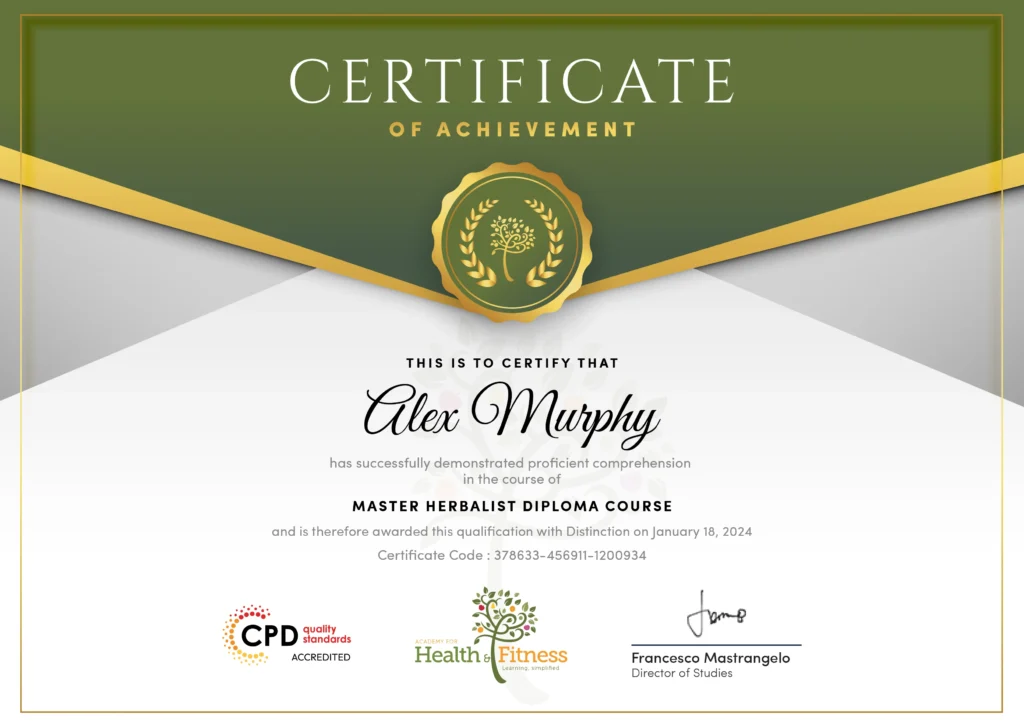
After successfully completing the course, you will qualify for a CPD Certificate as proof of your continued professional development and achievement. This certificate can enhance your professional profile and showcase your commitment to building relevant skills and knowledge. You can receive your digital certificate for only £10, or request a printed hard copy sent by post for just £29 or both for £39.
For assessing your learning, you have to complete an automated MCQ exam. It is required for the students to score at least 60% to pass the exam and fulfil the Quality Licence Scheme-endorsed certificate criteria. Learners can apply for the certificate after they clear the exam.
There are assignment questions provided at the end of the course. You are suggested to complete the questions to enrich your understanding of the course. You can complete this according to your preferred time. The expert tutor will provide feedback on your performance after assessing your assignment.
Understanding ADHD support strategies can strengthen professional skills across UK workplaces, particularly in roles focused on people management, inclusion, and employee wellbeing. These skills can support career development in human resources, leadership, education, and support services.
ADHD in the workplace refers to how attention, organisation, and executive functioning differences may affect employees during work activities. Understanding these differences helps create supportive and inclusive environments.
ADHD may influence concentration, time management, task organisation, and communication styles. Appropriate support and adjustments can help employees perform effectively.
Â
ADHD awareness helps employers recognise workplace barriers and provide suitable support. It also contributes to fairer and more inclusive working cultures.
Workplace policies guide employers in creating consistent approaches for inclusion and reasonable adjustments. They help ensure employees receive appropriate support.
UK equality legislation may provide protections for employees with ADHD when it meets the definition of a disability. Employers have responsibilities to consider reasonable adjustments where applicable.
Reasonable adjustments are workplace changes that reduce barriers and support employees effectively. Examples may include flexible working approaches, clearer communication, or structured processes.
Â
Managers can develop communication, support planning, and inclusive leadership skills. These abilities help create positive experiences for employees with ADHD.
Inclusive workplace design considers different working styles and reduces unnecessary barriers. It can improve engagement, accessibility, and employee satisfaction.
Â
Employee advocacy encourages individuals to communicate their needs and access appropriate workplace support. It promotes confidence and stronger workplace relationships.
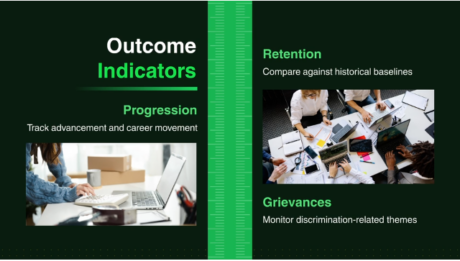
Measuring inclusion helps organisations understand whether support strategies are effective. It allows workplaces to identify improvements and strengthen long-term cultural change.
| Module 1: Understanding ADHD in the Workplace | |||
| Understanding ADHD in the Workplace | 00:08:00 | ||
| Module 2: Legal Duties, Policy & Adjustments | |||
| Legal Duties, Policy & Adjustments | 00:08:00 | ||
| Module 3: Manager Tools & Inclusive Workplace Design | |||
| Manager Tools & Inclusive Workplace Design | 00:07:00 | ||
| Module 4: Employee Skills, Advocacy & Support | |||
| Employee Skills, Advocacy & Support | 00:07:00 | ||
| Module 5: Implementation, Measurement & Cultural Change | |||
| Implementation, Measurement & Cultural Change | 00:07:00 | ||
| Module 1: Understanding ADHD in the Workplace | |||
| Understanding ADHD in the Workplace | 00:08:00 | ||
| Module 2: Legal Duties, Policy & Adjustments | |||
| Legal Duties, Policy & Adjustments | 00:08:00 | ||
| Module 3: Manager Tools & Inclusive Workplace Design | |||
| Manager Tools & Inclusive Workplace Design | 00:07:00 | ||
| Module 4: Employee Skills, Advocacy & Support | |||
| Employee Skills, Advocacy & Support | 00:07:00 | ||
| Module 5: Implementation, Measurement & Cultural Change | |||
| Implementation, Measurement & Cultural Change | 00:07:00 | ||