Caring for others requires more than compassion; it demands knowledge, confidence, and practical skills. Without proper preparation, caregivers may struggle in vital moments. Build your caregiving abilities and Enrol today.
4.5
(6 Reviews)
148 Students
Exclusive Deal! 94% Off, Today Only!
Sale Ends In
Every day, care professionals support people through some of life’s most important moments, yet many enter caregiving roles without a clear understanding of best practices. In the UK’s growing care sector, having the right knowledge can make a meaningful difference to the quality of support provided.
This Diploma in Caregiving introduces learners to essential caregiving principles, practical care techniques, mental health awareness, and professional communication. You will explore person-centred approaches, cognitive support, documentation standards, and specialised care practices that reflect real-world responsibilities.
By completing this course, you will develop a stronger understanding of effective caregiving and the skills needed to support individuals with dignity and respect. Gain the confidence to contribute positively within care environments and avoid being unprepared when people rely on your support.
There are no formal prerequisites to enrol in this Health and Social Care Level 4 course. It is suitable for both beginners and individuals already working in care who want to develop their skills further.
The course is fully accessible online, allowing you to study from home using any internet-enabled device.
All you need is a willingness to learn, basic literacy skills, and to be over the age of 16.
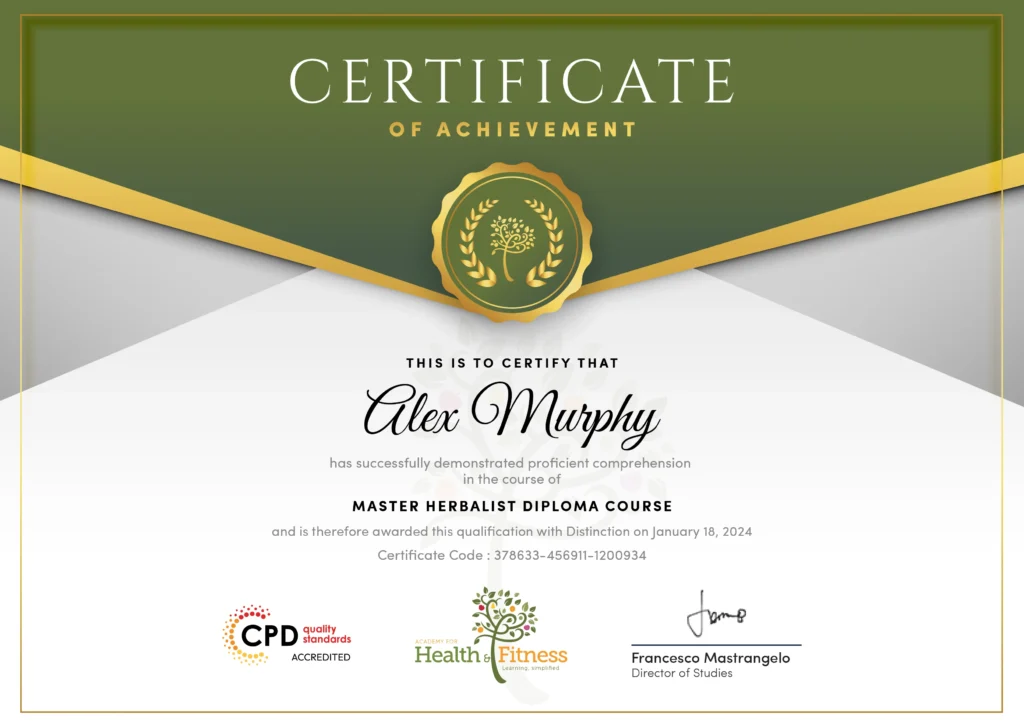
After successfully completing the course, you will qualify for a CPD Certificate as proof of your continued professional development and achievement. This certificate can enhance your professional profile and showcase your commitment to building relevant skills and knowledge. You can receive your digital certificate for only £10, or request a printed hard copy sent by post for just £29 or both for £39.
For assessing your learning, you have to complete an automated MCQ exam. It is required for the students to score at least 60% to pass the exam and fulfil the Quality Licence Scheme-endorsed certificate criteria. Learners can apply for the certificate after they clear the exam.
There are assignment questions provided at the end of the course. You are suggested to complete the questions to enrich your understanding of the course. You can complete this according to your preferred time. The expert tutor will provide feedback on your performance after assessing your assignment.
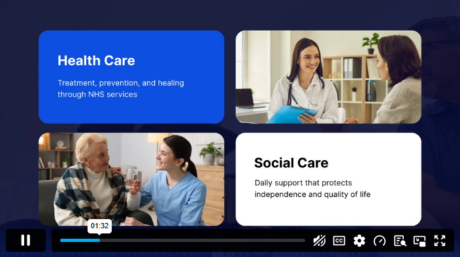
The UK care sector continues to value trained professionals who can provide safe, respectful, and person-centred support. Completing caregiving training can help learners develop skills relevant to a range of care and support roles across health and social care settings.
A Diploma in Caregiving provides knowledge and practical skills required for supporting individuals in care settings. It covers essential areas including personal care, communication, mental health support, and professional practice.
Â
Caregiving training helps learners understand responsibilities, workplace standards, and person-centred approaches used across UK care environments. It can support progression into various care and support positions.
Â
Â
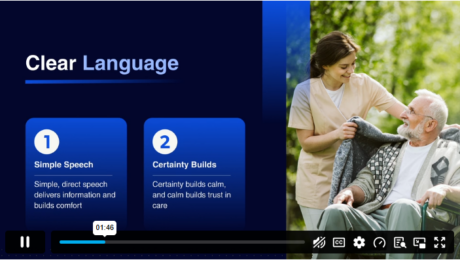
Communication helps caregivers understand individual needs, maintain trust, and provide respectful support. Effective communication is also important for accurate documentation and teamwork.
Â
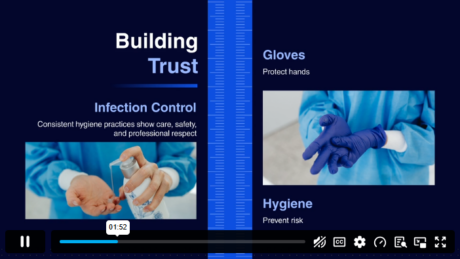
Safeguarding protects vulnerable individuals from harm, neglect, and abuse. Caregivers must understand safeguarding principles to provide safe and responsible support.
Â
Caregiving courses typically explore personal care, daily living support, safety practices, and approaches to assisting individuals with different needs.
Mental health awareness enables caregivers to recognise challenges and provide appropriate support. It encourages compassionate responses and improves the quality of care delivered.
Â
Caregivers need to maintain clear, accurate records of care activities and individual progress. Proper documentation supports continuity and professional accountability.
Person-centred care focuses on respecting individual preferences, choices, and personal circumstances. It ensures support is tailored around the person receiving care.
Â
This diploma can strengthen essential caregiving knowledge and improve confidence when applying for care-related roles. It also supports continued learning within the care sector.
Â
Trained caregivers may work in care homes, hospitals, community services, residential facilities, or individuals’ homes. The skills gained are relevant across many UK care environments.
| Module 1: Foundations of Caregiving Practice | |||
| Foundations of Caregiving Practice | 00:09:00 | ||
| Module 2: Practical Care Skills | |||
| Practical Care Skills | 00:08:00 | ||
| Module 3: Mental Health and Cognitive Support | |||
| Mental Health and Cognitive Support | 00:08:00 | ||
| Module 4: Communication, Documentation, and Professional Development | |||
| Communication, Documentation, and Professional Development | 00:10:00 | ||
| Module 5: Applied Practice and Specialisation | |||
| Applied Practice and Specialisation | 00:09:00 | ||
| Module 1: Foundations of Caregiving Practice | |||
| Foundations of Caregiving Practice | 00:09:00 | ||
| Module 2: Practical Care Skills | |||
| Practical Care Skills | 00:08:00 | ||
| Module 3: Mental Health and Cognitive Support | |||
| Mental Health and Cognitive Support | 00:08:00 | ||
| Module 4: Communication, Documentation, and Professional Development | |||
| Communication, Documentation, and Professional Development | 00:10:00 | ||
| Module 5: Applied Practice and Specialisation | |||
| Applied Practice and Specialisation | 00:09:00 | ||