Supporting children with autism requires understanding, patience, and informed approaches. Without the right knowledge, families and professionals may struggle to provide effective support. Build essential skills and confidence to make a meaningful difference. Enrol today
4.5
(6 Reviews)
155 Students
Exclusive Deal! 94% Off, Today Only!
Sale Ends In
Many children with autism spectrum disorder need personalised support to help them communicate, learn, and develop essential life skills. Without proper understanding, carers, educators, and families may feel uncertain about providing the right guidance at crucial stages.
This course explores key areas of autism support, including communication development, social interaction, behaviour management, emotional regulation, structured teaching approaches, and individualised planning. You will also learn how families, schools, and communities can work together to create supportive environments that encourage progress and inclusion.
By completing this course, you will gain a stronger understanding of autism-focused practices and develop the confidence to support children more effectively. Enhance your knowledge today and avoid missing opportunities to provide meaningful, informed support when it matters most.
There are no formal prerequisites to enrol in this Health and Social Care Level 4 course. It is suitable for both beginners and individuals already working in care who want to develop their skills further.
The course is fully accessible online, allowing you to study from home using any internet-enabled device.
All you need is a willingness to learn, basic literacy skills, and to be over the age of 16.
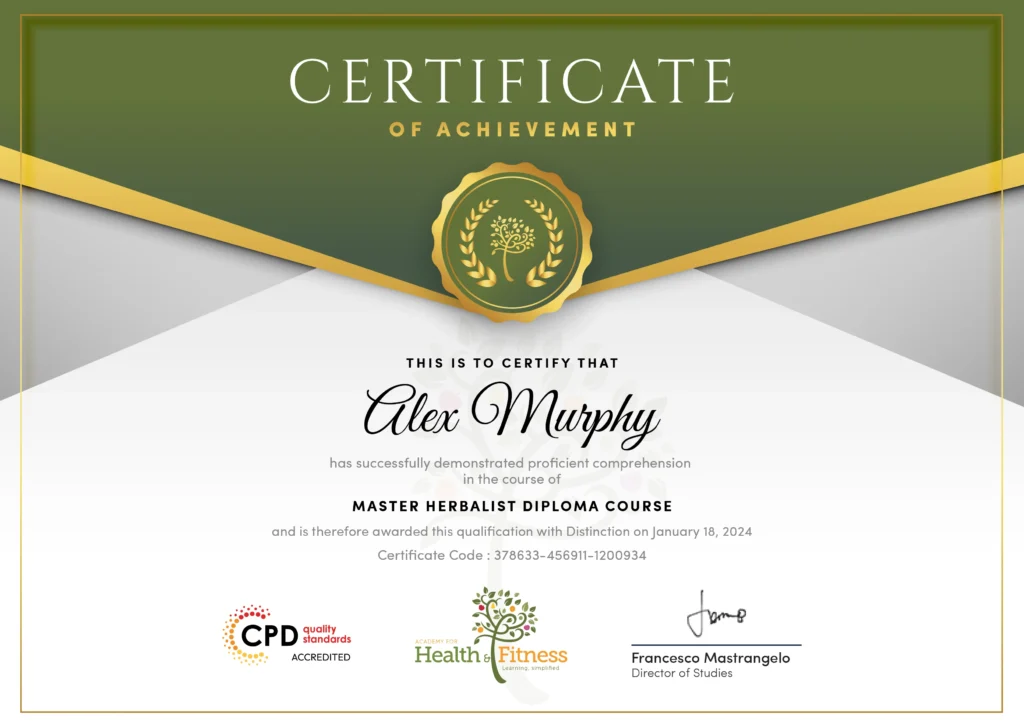
After successfully completing the course, you will qualify for a CPD Certificate as proof of your continued professional development and achievement. This certificate can enhance your professional profile and showcase your commitment to building relevant skills and knowledge. You can receive your digital certificate for only £10, or request a printed hard copy sent by post for just £29 or both for £39.
For assessing your learning, you have to complete an automated MCQ exam. It is required for the students to score at least 60% to pass the exam and fulfil the Quality Licence Scheme-endorsed certificate criteria. Learners can apply for the certificate after they clear the exam.
There are assignment questions provided at the end of the course. You are suggested to complete the questions to enrich your understanding of the course. You can complete this according to your preferred time. The expert tutor will provide feedback on your performance after assessing your assignment.
Understanding autism support approaches can strengthen skills across education, childcare, and health and social care settings in the UK. Learners can apply their knowledge to roles focused on inclusion, development, and personalised support for children.
Autism spectrum disorder is a developmental condition affecting communication, behaviour, and social interaction. Each child experiences autism differently and may require individualised support approaches.
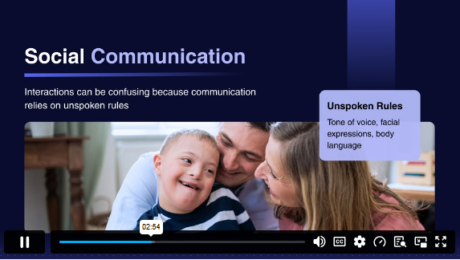
Autism can influence how children understand language, express themselves, and interact socially. Support strategies can help develop communication skills and positive relationships.
Â
Understanding autism helps professionals provide appropriate support based on individual needs. It encourages inclusive practices and improves outcomes for children.
Structured teaching provides predictable routines and organised learning environments. It can help children feel more comfortable and engaged during activities.
Â
Behaviour support focuses on understanding triggers and developing positive coping strategies. It helps children manage emotions and participate more effectively.
Â
Â
Individualised planning creates support strategies based on each child’s strengths, needs, and developmental goals. It ensures approaches are personalised rather than one-size-fits-all.
Â
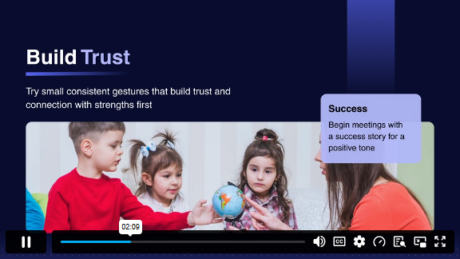
Families provide valuable insight into a child’s needs, preferences, and experiences. Working together improves consistency between home, school, and community settings.
Â
Â
Schools provide educational support through inclusive teaching methods and personalised learning strategies. Collaboration with families and professionals strengthens support networks.
Assessment helps identify strengths, challenges, and appropriate support requirements. It guides effective planning and ongoing development.
Â
Professionals benefit from communication skills, patience, understanding, and knowledge of evidence-informed approaches. Continuous learning helps improve support quality.
| Module 1: Understanding Autism Spectrum Disorder | |||
| Understanding Autism Spectrum Disorder | 00:07:00 | ||
| Module 2: Communication and Social Development | |||
| Communication and Social Development | 00:07:00 | ||
| Module 3: Behavior and Emotional Regulation | |||
| Behavior and Emotional Regulation | 00:07:00 | ||
| Module 4: Structured Teaching and Learning Approaches | |||
| Structured Teaching and Learning Approaches | 00:07:00 | ||
| Module 5: Family, School, and Community Collaboration | |||
| Family, School, and Community Collaboration | 00:07:00 | ||
| Module 6: Individualized Planning and Assessment | |||
| Individualized Planning and Assessment | 00:06:00 | ||
| Module 7: Professional Practice and Future Directions | |||
| Professional Practice and Future Directions | 00:08:00 | ||
| Module 1: Understanding Autism Spectrum Disorder | |||
| Understanding Autism Spectrum Disorder | 00:07:00 | ||
| Module 2: Communication and Social Development | |||
| Communication and Social Development | 00:07:00 | ||
| Module 3: Behavior and Emotional Regulation | |||
| Behavior and Emotional Regulation | 00:07:00 | ||
| Module 4: Structured Teaching and Learning Approaches | |||
| Structured Teaching and Learning Approaches | 00:07:00 | ||
| Module 5: Family, School, and Community Collaboration | |||
| Family, School, and Community Collaboration | 00:07:00 | ||
| Module 6: Individualized Planning and Assessment | |||
| Individualized Planning and Assessment | 00:06:00 | ||
| Module 7: Professional Practice and Future Directions | |||
| Professional Practice and Future Directions | 00:08:00 | ||