Mental health challenges affect millions, yet many misunderstand treatment options and medication effects. Gain essential insights into mental illness and safe medication practices. Enrol today.
4.5
(6 Reviews)
57 Students
Exclusive Deal! 94% Off, Today Only!
Sale Ends In
Mental illness impacts daily life, relationships, and professional performance, yet misconceptions remain widespread. In the UK, one in four people experiences a mental health problem each year, and misunderstandings about treatment or medication can delay recovery or worsen outcomes. Without proper awareness, both patients and carers risk confusion, mismanagement, and missed opportunities for support.
This course guides learners through the foundations of mental health, major illnesses, and the role of psychotropic medications in treatment. You will explore symptom recognition, medication types, side effects, and how integrated care approaches combine therapy and medication safely. Modules also cover professional responsibilities, ethical considerations, and emerging global perspectives on mental health management.
By completing this training, you will confidently navigate mental health issues, understand medication impacts, and support informed decision-making. Avoid uncertainty and empower yourself with knowledge to make a meaningful difference in mental health care.
There are no formal prerequisites to enrol in this Health and Social Care Level 4 course. It is suitable for both beginners and individuals already working in care who want to develop their skills further.
The course is fully accessible online, allowing you to study from home using any internet-enabled device.
All you need is a willingness to learn, basic literacy skills, and to be over the age of 16.
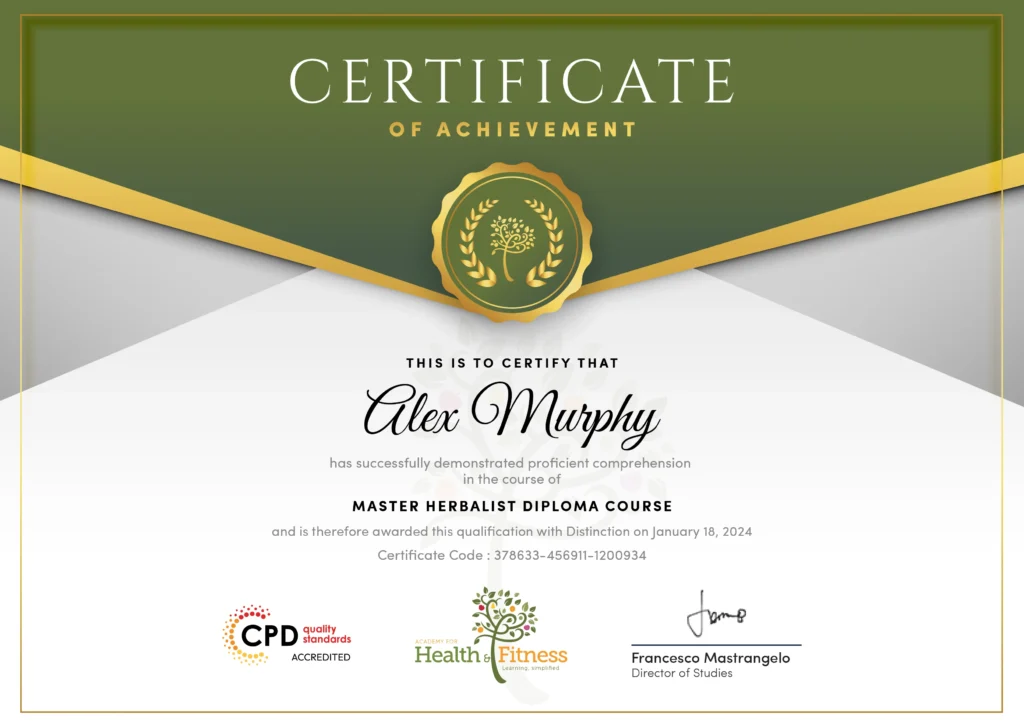
After successfully completing the course, you will qualify for a CPD Certificate as proof of your continued professional development and achievement. This certificate can enhance your professional profile and showcase your commitment to building relevant skills and knowledge. You can receive your digital certificate for only £10, or request a printed hard copy sent by post for just £29 or both for £39.
For assessing your learning, you have to complete an automated MCQ exam. It is required for the students to score at least 60% to pass the exam and fulfil the Quality Licence Scheme-endorsed certificate criteria. Learners can apply for the certificate after they clear the exam.
There are assignment questions provided at the end of the course. You are suggested to complete the questions to enrich your understanding of the course. You can complete this according to your preferred time. The expert tutor will provide feedback on your performance after assessing your assignment.
Mental health knowledge and medication awareness open diverse UK career paths. Employers value professionals who combine clinical understanding with practical support skills.
Mental illness refers to conditions affecting mood, thinking, or behaviour. UK definitions guide clinical diagnosis and treatment.
These medications adjust brain chemistry to manage symptoms. They are prescribed based on diagnosis and patient needs.
Understanding medications ensures safe administration and recognition of side effects. It supports recovery and patient safety.
Combining therapy and medication provides holistic care, improving outcomes and reducing relapse risk.
Symptoms vary by condition but often include mood changes, behavioural shifts, or cognitive difficulties. Professional assessment is essential.
Professionals must follow ethical guidelines, maintain confidentiality, and ensure safe, evidence-based practices.
The UK enforces strict prescription guidelines and monitoring systems to ensure patient safety.
Global research highlights digital therapies, preventative care, and personalised treatment approaches.
Ethics protect patient autonomy, ensure consent, and guide professional decision-making.
It equips you with knowledge to support patients confidently and enhance professional competency.
| Module 1: Foundations of Mental Health and Illness | |||
| Module 1: Foundations of Mental Health and Illness Part 1 | 00:06:00 | ||
| Module 1: Foundations of Mental Health and Illness Part 2 | 00:02:00 | ||
| Module 2: Major Mental Illnesses and Their Impact | |||
| Module 2: Major Mental Illnesses and Their Impact Part 1 | 00:04:00 | ||
| Module 2: Major Mental Illnesses and Their Impact Part 2 | 00:05:00 | ||
| Module 3: Psychotropic Medications and Their Use | |||
| Module 3: Psychotropic Medications and Their Use Part 1 | 00:06:00 | ||
| Module 3: Psychotropic Medications and Their Use Part 2 | 00:03:00 | ||
| Module 4: Integrated Treatment and Professional Practice | |||
| Module 4: Integrated Treatment and Professional Practice Part 1 | 00:06:00 | ||
| Module 4: Integrated Treatment and Professional Practice Part 2 | 00:04:00 | ||
| Module 5: Future Directions and Global Perspectives | |||
| Module 5: Future Directions and Global Perspectives Part 1 | 00:05:00 | ||
| Module 5: Future Directions and Global Perspectives Part 2 | 00:09:00 | ||
| Module 1: Foundations of Mental Health and Illness | |||
| Module 1: Foundations of Mental Health and Illness Part 1 | 00:06:00 | ||
| Module 1: Foundations of Mental Health and Illness Part 2 | 00:02:00 | ||
| Module 2: Major Mental Illnesses and Their Impact | |||
| Module 2: Major Mental Illnesses and Their Impact Part 1 | 00:04:00 | ||
| Module 2: Major Mental Illnesses and Their Impact Part 2 | 00:05:00 | ||
| Module 3: Psychotropic Medications and Their Use | |||
| Module 3: Psychotropic Medications and Their Use Part 1 | 00:06:00 | ||
| Module 3: Psychotropic Medications and Their Use Part 2 | 00:03:00 | ||
| Module 4: Integrated Treatment and Professional Practice | |||
| Module 4: Integrated Treatment and Professional Practice Part 1 | 00:06:00 | ||
| Module 4: Integrated Treatment and Professional Practice Part 2 | 00:04:00 | ||
| Module 5: Future Directions and Global Perspectives | |||
| Module 5: Future Directions and Global Perspectives Part 1 | 00:05:00 | ||
| Module 5: Future Directions and Global Perspectives Part 2 | 00:09:00 | ||