
Comprehensive Curriculum: Mental Health Awareness
Course Overview End-of-life situations are emotionally and clinically complex, yet many nurses feel unprepared to provide optimal care. In the …
4.5
(6 Reviews) 85 Students

Comprehensive Curriculum: Mental Health Awareness
Exclusive Deal! 0% Off, Today Only!
Sale Ends In

 TAKE All courses for
£99
TAKE All courses for
£99 


This course includes:
-
 Access1 Year Access
 -
 Skill Level
 -
 Duration45 minutes
 -
 Students85 Students
- PRIVATE
- 1 year
- Advanced
- Number of Units14
- Number of Quizzes0
- 45 minutes
 14-Day Money-Back Guarantee
Course Overview
End-of-life situations are emotionally and clinically complex, yet many nurses feel unprepared to provide optimal care. In the UK, thousands of patients and families face uncertainty during terminal illness, often compounded by limited knowledge of symptom management, communication, and legal considerations. This course ensures you gain the skills needed to navigate these critical moments with confidence and compassion.
Through six comprehensive modules, you will explore the foundations of palliative care, effective communication strategies, ethical and legal frameworks, symptom and pain management, interprofessional collaboration, and leadership in service delivery. You will also learn approaches to support bereaved families and understand public health perspectives on end-of-life care.
By the end of this course, you will be equipped to deliver compassionate, evidence-based care, advocate for patient choices, and manage complex clinical and emotional scenarios. Don’t leave your patients or families at risk of inadequate care—develop the expertise that truly makes a difference.
Learning Outcomes
- Understand principles of palliative care and end-of-life nursing practice.
- Apply effective communication strategies with patients, families, and colleagues.
- Manage pain and symptoms using evidence-based clinical interventions.
- Evaluate ethical and legal considerations in end-of-life care delivery.
- Lead interprofessional teams to improve palliative care services.
- Support bereavement and family needs with compassionate interventions.
- Integrate public health perspectives into end-of-life nursing practice.
- Advocate for patient autonomy and informed decision-making processes.
- Assess psychosocial needs and implement holistic nursing strategies.
- Reflect on professional practice to enhance care quality continuously.
Why Enrol in this course
- CPD Accredited Course
- Unlimited access for 12 months – learn at your own pace
- Earn instant certificate upon course completion
- Get a free student ID card to showcase
- Flexible study – no deadlines
- Transparent pricing – no hidden fees
- Dedicated tutor support on weekdays
- Fast assessments & instant results
Who is this course for?
- Registered nurses seeking specialisation
- Healthcare assistants in palliative care
- Nursing students pursuing advanced practice
- Hospice care professionals and volunteers
- Clinical nurse educators and mentors
- Hospital ward managers overseeing end-of-life care
- Community healthcare practitioners
- Social workers supporting terminal patients
- Policy advisors in health services
- Allied health professionals in nursing
Requirements
There are no formal prerequisites to enrol in this Health and Social Care Level 4 course. It is suitable for both beginners and individuals already working in care who want to develop their skills further.
The course is fully accessible online, allowing you to study from home using any internet-enabled device.
All you need is a willingness to learn, basic literacy skills, and to be over the age of 16.
CPD Certification
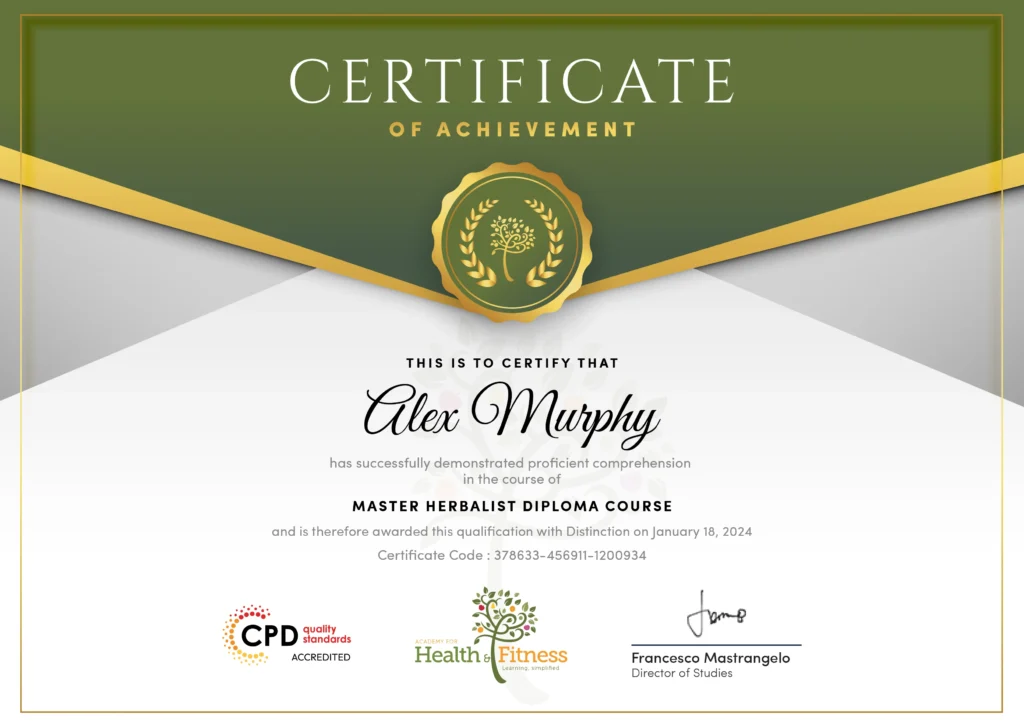
After successfully completing the course, you will qualify for a CPD Certificate as proof of your continued professional development and achievement. This certificate can enhance your professional profile and showcase your commitment to building relevant skills and knowledge. You can receive your digital certificate for only £10, or request a printed hard copy sent by post for just £29 or both for £39.
Assessment
For assessing your learning, you have to complete an automated MCQ exam. It is required for the students to score at least 60% to pass the exam and fulfil the Quality Licence Scheme-endorsed certificate criteria. Learners can apply for the certificate after they clear the exam.
There are assignment questions provided at the end of the course. You are suggested to complete the questions to enrich your understanding of the course. You can complete this according to your preferred time. The expert tutor will provide feedback on your performance after assessing your assignment.
Job Opportunities
This course equips UK healthcare professionals with advanced skills for compassionate end-of-life care. Graduates are prepared for roles across hospitals, hospices, community services, and healthcare leadership, combining clinical expertise with ethical and communication proficiency.
- Palliative Care Nurse
Provide specialised care for patients with terminal conditions, including pain and symptom management. Collaborate with multidisciplinary teams to ensure holistic patient support.
Salary: £28,000–£42,000 per year - Hospice Nurse Specialist
Deliver expert care in hospice settings, supporting both patients and their families. Focus on comfort, dignity, and emotional support.
Salary: £30,000–£45,000 per year - Clinical Nurse Educator
Train and mentor nursing staff in palliative care practices. Develop educational programmes and assessments for care teams.
Salary: £35,000–£50,000 per year - End-of-Life Care Coordinator
Oversee patient pathways, liaise with families, and ensure care plans meet legal standards. Coordinate multidisciplinary input.
Salary: £32,000–£48,000 per year - Community Palliative Nurse
Deliver home-based care for terminally ill patients. Educate families and support independent symptom management.
Salary: £29,000–£44,000 per year - Bereavement Support Officer
Provide guidance and emotional support to grieving families. Integrate counselling and community resources effectively.
Salary: £26,000–£38,000 per year - Hospital Ward Manager (End-of-Life Unit)
Lead and manage palliative care wards. Implement policies, ensure quality standards, and supervise staff.
Salary: £40,000–£55,000 per year - Health Policy Advisor – Palliative Care
Develop and review policies related to end-of-life care services. Advise healthcare organisations on legal and ethical standards.
Salary: £38,000–£60,000 per year - Advanced Nurse Practitioner – Palliative Care
Assess complex cases, prescribe medications, and implement care plans in hospital or community settings.
Salary: £42,000–£60,000 per year - Clinical Audit and Quality Officer
Monitor and improve palliative care services through audits, reporting, and evidence-based recommendations.
Salary: £33,000–£50,000 per year
Frequently Asked Questions
What is palliative care nursing?
Palliative care nursing focuses on relieving pain and supporting quality of life for terminal patients. Nurses provide holistic care addressing physical, emotional, and social needs.
How does symptom management work in end-of-life care?
Symptom management involves assessing pain, discomfort, and psychological needs. Nurses use evidence-based interventions to improve comfort and dignity.
What role does communication play in palliative nursing?
Effective communication ensures patients and families understand prognosis, treatment choices, and care plans. It promotes informed decision-making and emotional support.
Why is legal knowledge important in end-of-life care?
Nurses must comply with UK laws regarding consent, advance directives, and patient autonomy. Legal awareness protects patients and practitioners.
What ethical considerations are common in palliative care?
Ethical dilemmas often involve treatment choices, autonomy, and resource allocation. Nurses balance patient wishes with professional responsibilities.
How can nurses support bereaved families?
Nurses provide guidance, counselling, and practical advice. They also link families with community and mental health services.
What skills are needed for interprofessional leadership?
Collaboration, conflict resolution, and service planning are essential. Leaders coordinate care across clinical teams effectively.
How is end-of-life care integrated into public health?
Public health initiatives focus on education, access to services, and improving community support for terminal patients.
What is the scope of advanced practice in palliative care?
Advanced practice includes patient assessment, prescribing medications, and leading clinical teams in specialised care settings.
How does this course benefit UK healthcare professionals?
It equips learners with clinical, ethical, and communication skills. Graduates deliver high-quality end-of-life care confidently.
Palliative care nursing focuses on relieving pain and supporting quality of life for terminal patients. Nurses provide holistic care addressing physical, emotional, and social needs.
Symptom management involves assessing pain, discomfort, and psychological needs. Nurses use evidence-based interventions to improve comfort and dignity.
Effective communication ensures patients and families understand prognosis, treatment choices, and care plans. It promotes informed decision-making and emotional support.
Nurses must comply with UK laws regarding consent, advance directives, and patient autonomy. Legal awareness protects patients and practitioners.
Ethical dilemmas often involve treatment choices, autonomy, and resource allocation. Nurses balance patient wishes with professional responsibilities.
Nurses provide guidance, counselling, and practical advice. They also link families with community and mental health services.
Collaboration, conflict resolution, and service planning are essential. Leaders coordinate care across clinical teams effectively.
Public health initiatives focus on education, access to services, and improving community support for terminal patients.
Advanced practice includes patient assessment, prescribing medications, and leading clinical teams in specialised care settings.
It equips learners with clinical, ethical, and communication skills. Graduates deliver high-quality end-of-life care confidently.
Course Curriculum
| Module 1. Foundations of Mental Health | |||
| Module 2. Personal Journeys & Lived Experience | |||
| Module 3. Scientific & Clinical Perspectives | |||
| Module 4. Practical Coping & Self-Help Strategies | |||
| Module 5. Crisis Intervention & First Response | |||
| Module 6. Systems, Policy & Advocacy | |||
| Module 7. Ongoing Learning & Future Directions | |||
| Module 1. Foundations of Mental Health Part 1 | 00:06:00 | ||
| Module 1. Foundations of Mental Health Part 2 | 00:02:00 | ||
| Module 2. Personal Journeys & Lived Experience Part 1 | 00:04:00 | ||
| Module 2. Personal Journeys & Lived Experience Part 2 | 00:03:00 | ||
| Module 3. Scientific & Clinical Perspectives Part 1 | 00:04:00 | ||
| Module 3. Scientific & Clinical Perspectives Part 2 | 00:03:00 | ||
| Module 4. Practical Coping & Self-Help Strategies Part 1 | 00:04:00 | ||
| Module 4. Practical Coping & Self-Help Strategies Part 2 | 00:02:00 | ||
| Module 5. Crisis Intervention & First Response Part 1 | 00:04:00 | ||
| Module 5. Crisis Intervention & First Response Part 2 | 00:02:00 | ||
| Module 6. Systems, Policy & Advocacy Part 1 | 00:04:00 | ||
| Module 6. Systems, Policy & Advocacy Part 2 | 00:02:00 | ||
| Module 7. Ongoing Learning & Future Directions Part 1 | 00:03:00 | ||
| Module 7. Ongoing Learning & Future Directions Part 2 | 00:02:00 | ||