Caring for someone with Parkinson’s is challenging, and uncertainty can affect wellbeing. Learn essential skills, understand treatments, and protect both your loved one and yourself. Enrol today.
4.5
(6 Reviews)
92 Students
Exclusive Deal! 94% Off, Today Only!
Sale Ends In
Supporting someone living with Parkinson’s disease is a demanding journey, often leaving carers unsure how to respond to new symptoms or manage daily routines. In the UK, with over 145,000 people currently living with Parkinson’s, carers frequently face emotional and physical strain without guidance, leading to avoidable stress and burnout.
This course provides carers with a clear foundation in understanding Parkinson’s disease, from recognising early signs and medical diagnoses to exploring treatments, therapies, and daily caregiving strategies. You will gain practical skills for mobility support, medication management, nutrition, and personal care, alongside techniques for maintaining your own health and resilience.
Through advanced modules, you will also learn about end-of-life care, cultural perspectives, and emerging treatments, equipping you to anticipate challenges and make informed decisions. By the end of this course, you will feel confident, supported, and prepared to provide compassionate care without uncertainty. Enrol now to safeguard both your loved one’s wellbeing and your own.
Enter Content….There are no formal prerequisites to enrol in this Health and Social Care Level 4 course. It is suitable for both beginners and individuals already working in care who want to develop their skills further.
The course is fully accessible online, allowing you to study from home using any internet-enabled device.
All you need is a willingness to learn, basic literacy skills, and to be over the age of 16.
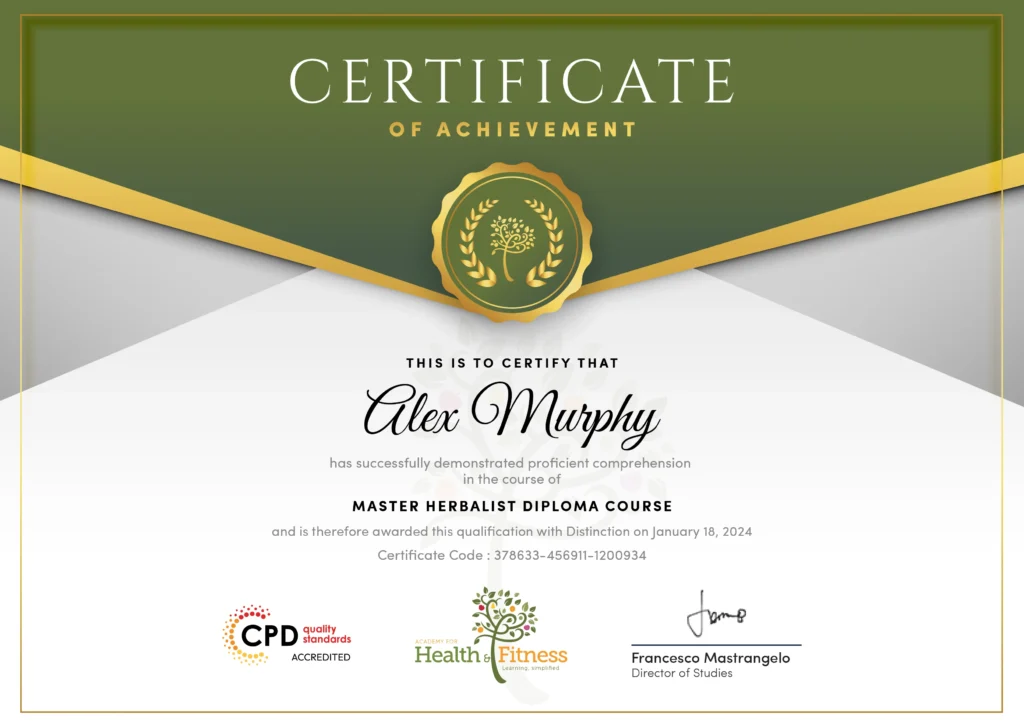
After successfully completing the course, you will qualify for a CPD Certificate as proof of your continued professional development and achievement. This certificate can enhance your professional profile and showcase your commitment to building relevant skills and knowledge. You can receive your digital certificate for only £10, or request a printed hard copy sent by post for just £29 or both for £39.
For assessing your learning, you have to complete an automated MCQ exam. It is required for the students to score at least 60% to pass the exam and fulfil the Quality Licence Scheme-endorsed certificate criteria. Learners can apply for the certificate after they clear the exam.
There are assignment questions provided at the end of the course. You are suggested to complete the questions to enrich your understanding of the course. You can complete this according to your preferred time. The expert tutor will provide feedback on your performance after assessing your assignment.
Learning these skills opens pathways to rewarding UK care roles, equipping you to support patients safely while advancing your career in health and social care.
Parkinson’s is a progressive neurological condition affecting movement and coordination. Symptoms include tremors, stiffness, and balance challenges.
Diagnosis involves neurological assessments, medical history, and response to medications. Specialists tailor care plans based on individual needs.
Effective routines reduce stress for both carer and patient. They support independence and manage symptom progression.
Treatments include medication, physiotherapy, speech therapy, and occupational therapy. Each plan is personalised by healthcare professionals.
A healthy, informed carer provides safer, more consistent support, improving patient quality of life.
Implementing safe transfer techniques, mobility aids, and hazard-free environments minimises falls and injuries.
Structured routines, reminders, and record-keeping ensure timely treatment and maximise effectiveness.
Carers should communicate with professionals, follow care plans, and provide emotional and physical support compassionately.
Cultural beliefs may affect treatment acceptance, diet, and communication preferences. Respect ensures personalised care.
Joining support networks, attending training, and reviewing reputable medical updates keeps carers knowledgeable and prepared.
| Module 1: Foundations of Parkinson’s Disease | |||
| Module 1: Foundations of Parkinson’s Disease Part 1 | 00:05:00 | ||
| Module 1: Foundations of Parkinson’s Disease Part 2 | 00:05:00 | ||
| Module 2: Symptoms and Diagnosis | |||
| Module 2: Symptoms and Diagnosis Part 1 | 00:04:00 | ||
| Module 2: Symptoms and Diagnosis Part 2 | 00:04:00 | ||
| Module 3: Treatments and Therapies | |||
| Module 3: Treatments and Therapies Part 1 | 00:04:00 | ||
| Module 3: Treatments and Therapies Part 2 | 00:04:00 | ||
| Module 4: Daily Caregiving Skills | |||
| Module 4: Daily Caregiving Skills Part 1 | 00:04:00 | ||
| Module 4: Daily Caregiving Skills Part 2 | 00:04:00 | ||
| Module 5: Carer Health and Wellbeing | |||
| Module 5: Carer Health and Wellbeing Part 1 | 00:04:00 | ||
| Module 5: Carer Health and Wellbeing Part 2 | 00:04:00 | ||
| Module 6: Advanced Care and End-of-Life | |||
| Module 6: Advanced Care and End-of-Life Part 1 | 00:04:00 | ||
| Module 6: Advanced Care and End-of-Life Part 2 | 00:03:00 | ||
| Module 7: Global, Cultural, and Future Perspectives | |||
| Module 7: Global, Cultural, and Future Perspectives Part 1 | 00:04:00 | ||
| Module 7: Global, Cultural, and Future Perspectives Part 2 | 00:03:00 | ||
| Module 1: Foundations of Parkinson’s Disease | |||
| Module 1: Foundations of Parkinson’s Disease Part 1 | 00:05:00 | ||
| Module 1: Foundations of Parkinson’s Disease Part 2 | 00:05:00 | ||
| Module 2: Symptoms and Diagnosis | |||
| Module 2: Symptoms and Diagnosis Part 1 | 00:04:00 | ||
| Module 2: Symptoms and Diagnosis Part 2 | 00:04:00 | ||
| Module 3: Treatments and Therapies | |||
| Module 3: Treatments and Therapies Part 1 | 00:04:00 | ||
| Module 3: Treatments and Therapies Part 2 | 00:04:00 | ||
| Module 4: Daily Caregiving Skills | |||
| Module 4: Daily Caregiving Skills Part 1 | 00:04:00 | ||
| Module 4: Daily Caregiving Skills Part 2 | 00:04:00 | ||
| Module 5: Carer Health and Wellbeing | |||
| Module 5: Carer Health and Wellbeing Part 1 | 00:04:00 | ||
| Module 5: Carer Health and Wellbeing Part 2 | 00:04:00 | ||
| Module 6: Advanced Care and End-of-Life | |||
| Module 6: Advanced Care and End-of-Life Part 1 | 00:04:00 | ||
| Module 6: Advanced Care and End-of-Life Part 2 | 00:03:00 | ||
| Module 7: Global, Cultural, and Future Perspectives | |||
| Module 7: Global, Cultural, and Future Perspectives Part 1 | 00:04:00 | ||
| Module 7: Global, Cultural, and Future Perspectives Part 2 | 00:03:00 | ||