Navigating clinical coding errors can delay treatment and affect patient care. Gain clarity in medical terminology and UK coding standards to protect accuracy and compliance. Enrol today.
4.5
(6 Reviews)
63 Students
Exclusive Deal! 94% Off, Today Only!
Sale Ends In
Understanding medical terminology and clinical coding is essential in modern UK healthcare. Even small coding errors can lead to delays in treatment, reimbursement issues, or compliance breaches, impacting both patient safety and organisational efficiency. Yet, many professionals feel unsure of these systems, leaving critical gaps in practice.
This course equips you with a strong foundation in the language of medicine and the practical application of clinical coding within the UK context. You will explore human anatomy, ICD-10 coding, OPCS-4 procedure coding, and essential compliance procedures. The curriculum also covers auditing, governance, and emerging trends shaping clinical coding in the NHS, ensuring relevance in real-world healthcare settings.
By completing this course, you will confidently interpret medical records, assign accurate codes, and support healthcare operations efficiently. Don’t risk errors that can have serious consequences—gain the expertise to excel in clinical coding and advance your career. Enrol now to secure your professional advantage.
There are no formal prerequisites to enrol in this Health and Social Care Level 4 course. It is suitable for both beginners and individuals already working in care who want to develop their skills further.
The course is fully accessible online, allowing you to study from home using any internet-enabled device.
All you need is a willingness to learn, basic literacy skills, and to be over the age of 16.
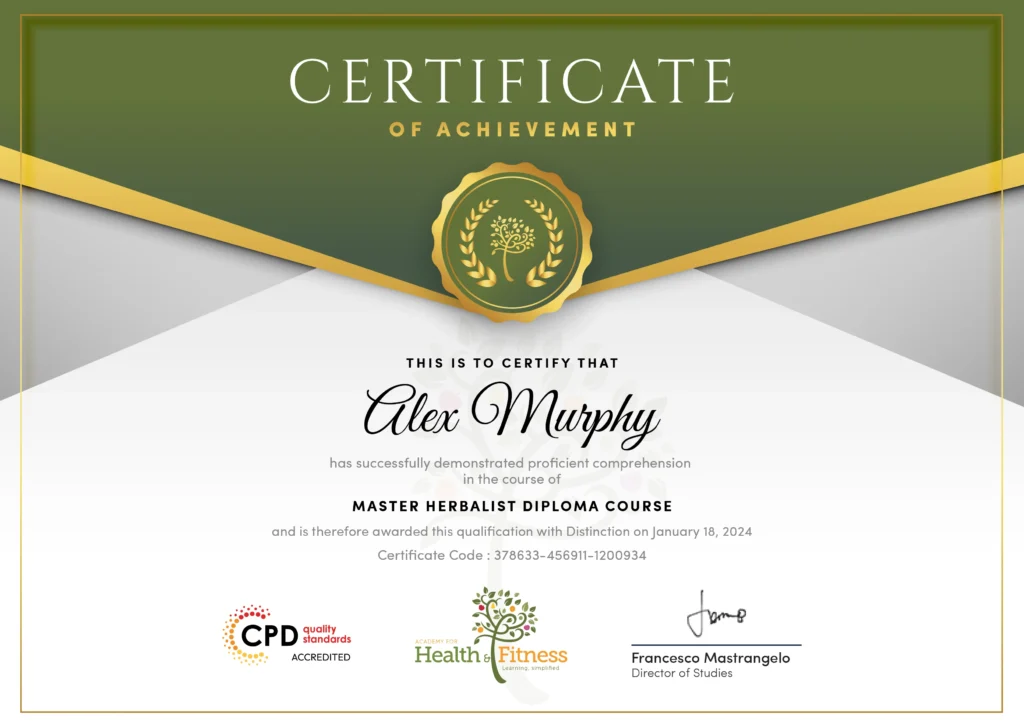
After successfully completing the course, you will qualify for a CPD Certificate as proof of your continued professional development and achievement. This certificate can enhance your professional profile and showcase your commitment to building relevant skills and knowledge. You can receive your digital certificate for only £10, or request a printed hard copy sent by post for just £29 or both for £39.
For assessing your learning, you have to complete an automated MCQ exam. It is required for the students to score at least 60% to pass the exam and fulfil the Quality Licence Scheme-endorsed certificate criteria. Learners can apply for the certificate after they clear the exam.
There are assignment questions provided at the end of the course. You are suggested to complete the questions to enrich your understanding of the course. You can complete this according to your preferred time. The expert tutor will provide feedback on your performance after assessing your assignment.
Clinical coding expertise is increasingly valued across the NHS and private healthcare providers. Skilled coders ensure accurate patient records, compliance, and efficient billing processes, supporting safe and effective care delivery.
Clinical coding translates patient records into standardised codes for healthcare administration. It supports treatment tracking, billing, and compliance across NHS systems.
ICD-10 ensures consistent diagnosis recording, improving treatment accuracy and data-driven decision-making. It is critical for audits and healthcare planning.
OPCS-4 codes describe medical procedures and surgeries, enabling hospitals to report interventions accurately and comply with NHS standards.
Accurate understanding prevents misinterpretation of clinical records, ensuring correct code assignment and supporting patient safety.
Compliance ensures coding follows NHS guidelines, legal requirements, and audit standards, reducing errors and financial risks.
Automation, AI-assisted coding, and digital records are shaping the future of coding practices, enhancing accuracy and efficiency.
Yes. With structured training, administrative or support staff can master terminology and coding standards to support healthcare operations.
Regular audits identify errors, enforce compliance, and maintain data integrity, ensuring reliable patient records and reporting.
Roles range from NHS coder and audit officer to health informatics analyst and consultancy, with growing demand across the UK.
Proficiency depends on prior experience, but structured courses provide foundational skills in weeks, with ongoing practice for mastery.
| Introduction | |||
| Introduction | 00:05:00 | ||
| Module 1: Foundations of Clinical Coding | |||
| Module 1: Foundations of Clinical Coding | 00:05:00 | ||
| Module 2: Medical Terminology and Human Anatomy | |||
| Module 2: Medical Terminology and Human Anatomy Part 1 | 00:07:00 | ||
| Module 2: Medical Terminology and Human Anatomy Part 2 | 00:05:00 | ||
| Module 3: ICD-10 in the UK Context | |||
| Module 3: ICD-10 in the UK Context Part 1 | 00:06:00 | ||
| Module 3: ICD-10 in the UK Context Part 2 | 00:03:00 | ||
| Module 4: OPCS-4 and Procedure Coding | |||
| Module 4: OPCS-4 and Procedure Coding Part 1 | 00:06:00 | ||
| Module 4: OPCS-4 and Procedure Coding Part 2 | 00:04:00 | ||
| Module 5: Compliance, Audit, and Governance | |||
| Module 5: Compliance, Audit, and Governance Part 1 | 00:06:00 | ||
| Module 5: Compliance, Audit, and Governance Part 2 | 00:04:00 | ||
| Module 6: Future of Clinical Coding in the NHS | |||
| Module 6: Future of Clinical Coding in the NHS | 00:05:00 | ||
| Conclusion | |||
| Conclusion | 00:04:00 | ||
| Introduction | |||
| Introduction | 00:05:00 | ||
| Module 1: Foundations of Clinical Coding | |||
| Module 1: Foundations of Clinical Coding | 00:05:00 | ||
| Module 2: Medical Terminology and Human Anatomy | |||
| Module 2: Medical Terminology and Human Anatomy Part 1 | 00:07:00 | ||
| Module 2: Medical Terminology and Human Anatomy Part 2 | 00:05:00 | ||
| Module 3: ICD-10 in the UK Context | |||
| Module 3: ICD-10 in the UK Context Part 1 | 00:06:00 | ||
| Module 3: ICD-10 in the UK Context Part 2 | 00:03:00 | ||
| Module 4: OPCS-4 and Procedure Coding | |||
| Module 4: OPCS-4 and Procedure Coding Part 1 | 00:06:00 | ||
| Module 4: OPCS-4 and Procedure Coding Part 2 | 00:04:00 | ||
| Module 5: Compliance, Audit, and Governance | |||
| Module 5: Compliance, Audit, and Governance Part 1 | 00:06:00 | ||
| Module 5: Compliance, Audit, and Governance Part 2 | 00:04:00 | ||
| Module 6: Future of Clinical Coding in the NHS | |||
| Module 6: Future of Clinical Coding in the NHS | 00:05:00 | ||
| Conclusion | |||
| Conclusion | 00:04:00 | ||