Many children face hidden risks daily, yet staff often feel unprepared to act. Gain essential safeguarding knowledge and SEND expertise to protect vulnerable pupils. Enrol today.
4.5
(6 Reviews)
43 Students
Exclusive Deal! 94% Off, Today Only!
Sale Ends In
Children and young people with additional needs are particularly vulnerable, and failure to recognise risks can have long-lasting consequences. In the UK, educational staff play a critical role in safeguarding, yet many feel uncertain about their responsibilities. This course equips learners with the knowledge and confidence to respond effectively to safeguarding concerns, ensuring every child is protected.
Throughout the training, you will explore the foundations of safeguarding, recognise vulnerability and risk factors, and understand SEND classifications and legal requirements. You will also learn how to implement safeguarding measures in educational practice, communicate effectively with children and families, and advocate for their needs. Inter-agency collaboration is emphasised to ensure comprehensive protection across health, social care, and education sectors.
By the end of the course, you will understand safeguarding responsibilities across the life course, adopt professional best practices, and confidently support children with SEND. Join this course to ensure you are never unprepared when safeguarding lives and promoting inclusion.
There are no formal prerequisites to enrol in this Health and Social Care Level 4 course. It is suitable for both beginners and individuals already working in care who want to develop their skills further.
The course is fully accessible online, allowing you to study from home using any internet-enabled device.
All you need is a willingness to learn, basic literacy skills, and to be over the age of 16.
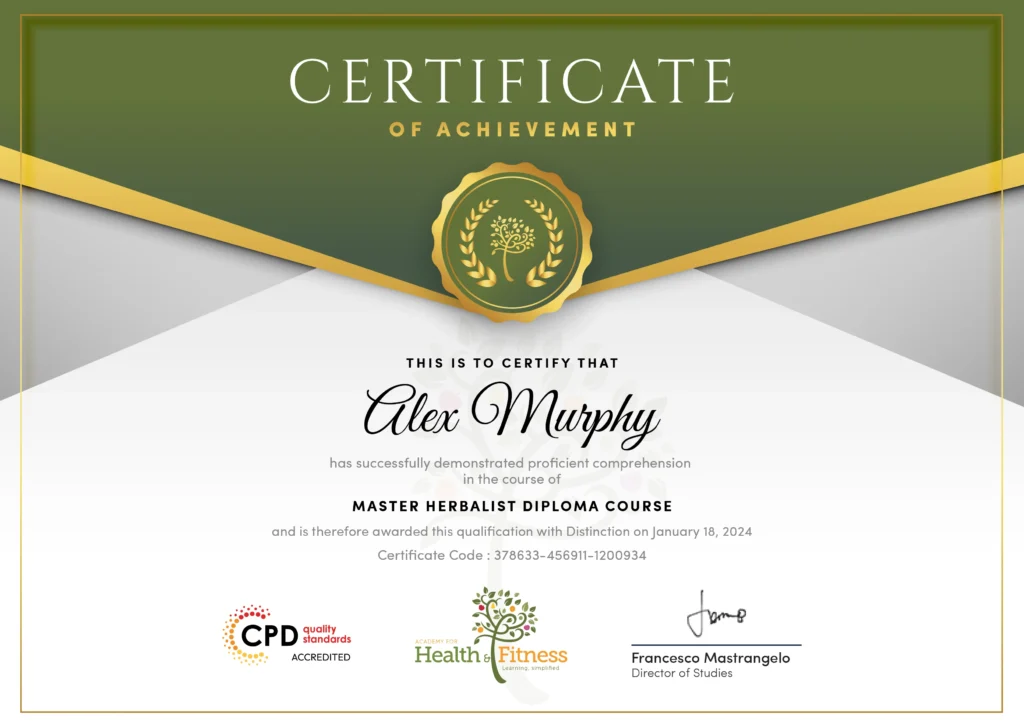
After successfully completing the course, you will qualify for a CPD Certificate as proof of your continued professional development and achievement. This certificate can enhance your professional profile and showcase your commitment to building relevant skills and knowledge. You can receive your digital certificate for only £10, or request a printed hard copy sent by post for just £29 or both for £39.
For assessing your learning, you have to complete an automated MCQ exam. It is required for the students to score at least 60% to pass the exam and fulfil the Quality Licence Scheme-endorsed certificate criteria. Learners can apply for the certificate after they clear the exam.
There are assignment questions provided at the end of the course. You are suggested to complete the questions to enrich your understanding of the course. You can complete this according to your preferred time. The expert tutor will provide feedback on your performance after assessing your assignment.
This course develops skills highly relevant across UK education and social care sectors. Professionals with safeguarding and SEND expertise are in demand for roles ensuring child protection, inclusion, and compliance with statutory obligations.
Safeguarding ensures children are protected from harm. Schools and staff must monitor risks and act promptly to protect vulnerable pupils.
It equips staff with knowledge to support children with additional needs and recognise early signs of vulnerability.
Cooperation between education, social care, and health ensures comprehensive safeguarding and timely intervention for at-risk children.
Clear communication with children, families, and professionals ensures concerns are raised, understood, and addressed effectively.
They guide personalised teaching approaches, ensuring pupils receive appropriate support tailored to their specific needs.
Staff must comply with UK safeguarding legislation, follow reporting protocols, and protect children from harm.
By observing behaviour, monitoring well-being, and being aware of environmental or social factors affecting children.
Advocacy involves representing and supporting a child’s needs to ensure their rights and preferences are respected.
Staff apply consistent protection measures from early years to adolescence, adapting practices to developmental stages.
Regular training ensures staff stay updated on legislation, best practices, and emerging risks in safeguarding and SEND.
| 1. Foundations of Safeguarding and SEND | |||
| Foundations of Safeguarding and SEND | 00:07:00 | ||
| 2. Recognising Vulnerability and Risk | |||
| Recognising Vulnerability and Risk | 00:06:00 | ||
| 3. Understanding SEND Classifications | |||
| Understanding SEND Classifications | 00:06:00 | ||
| 4. Safeguarding in Educational Practice | |||
| Safeguarding Across the Life Course | 00:05:00 | ||
| 5. Communication and Advocacy | |||
| Communication and Advocacy | 00:06:00 | ||
| 6. Inter-Agency Safeguarding Collaboration | |||
| Inter-Agency Safeguarding Collaboration | 00:05:00 | ||
| 7. Safeguarding Across the Life Course | |||
| Safeguarding in Educational Practice | 00:06:00 | ||
| 8. Professional Practice and Continuous Improvement | |||
| Professional Practice and Continuous Improvement | 00:08:00 | ||
| 1. Foundations of Safeguarding and SEND | |||
| Foundations of Safeguarding and SEND | 00:07:00 | ||
| 2. Recognising Vulnerability and Risk | |||
| Recognising Vulnerability and Risk | 00:06:00 | ||
| 3. Understanding SEND Classifications | |||
| Understanding SEND Classifications | 00:06:00 | ||
| 4. Safeguarding in Educational Practice | |||
| Safeguarding Across the Life Course | 00:05:00 | ||
| 5. Communication and Advocacy | |||
| Communication and Advocacy | 00:06:00 | ||
| 6. Inter-Agency Safeguarding Collaboration | |||
| Inter-Agency Safeguarding Collaboration | 00:05:00 | ||
| 7. Safeguarding Across the Life Course | |||
| Safeguarding in Educational Practice | 00:06:00 | ||
| 8. Professional Practice and Continuous Improvement | |||
| Professional Practice and Continuous Improvement | 00:08:00 | ||