Child safety is everyone’s responsibility, yet many lack crucial awareness. Understand signs of harm, legal duties, and safeguarding practices to protect children effectively. Enrol today to gain essential confidence and knowledge.
4.5
(6 Reviews)
43 Students
Exclusive Deal! 94% Off, Today Only!
Sale Ends In
Children’s safety is a top priority, yet thousands of cases of neglect and abuse in the UK show how crucial awareness and action are. Many professionals and carers feel uncertain about their responsibilities, leaving children vulnerable. This course provides clear, practical knowledge for recognising and responding to risks.
Through structured modules, you will explore the duty of care, relevant laws and guidance, and the roles of different professionals. You will learn to identify signs of harm, understand vulnerability, and apply best practices when responding, recording, and reporting incidents. The course also covers online safeguarding, safer recruitment, and how to foster a protective culture within organisations.
By the end, you will be confident in recognising risks, knowing your legal and ethical responsibilities, and contributing to a safer environment for children. Don’t leave child safety to chance—gain the knowledge and practical tools needed to act responsibly. Enrol today and become part of the safeguarding solution.
There are no formal prerequisites to enrol in this Health and Social Care Level 4 course. It is suitable for both beginners and individuals already working in care who want to develop their skills further.
The course is fully accessible online, allowing you to study from home using any internet-enabled device.
All you need is a willingness to learn, basic literacy skills, and to be over the age of 16.
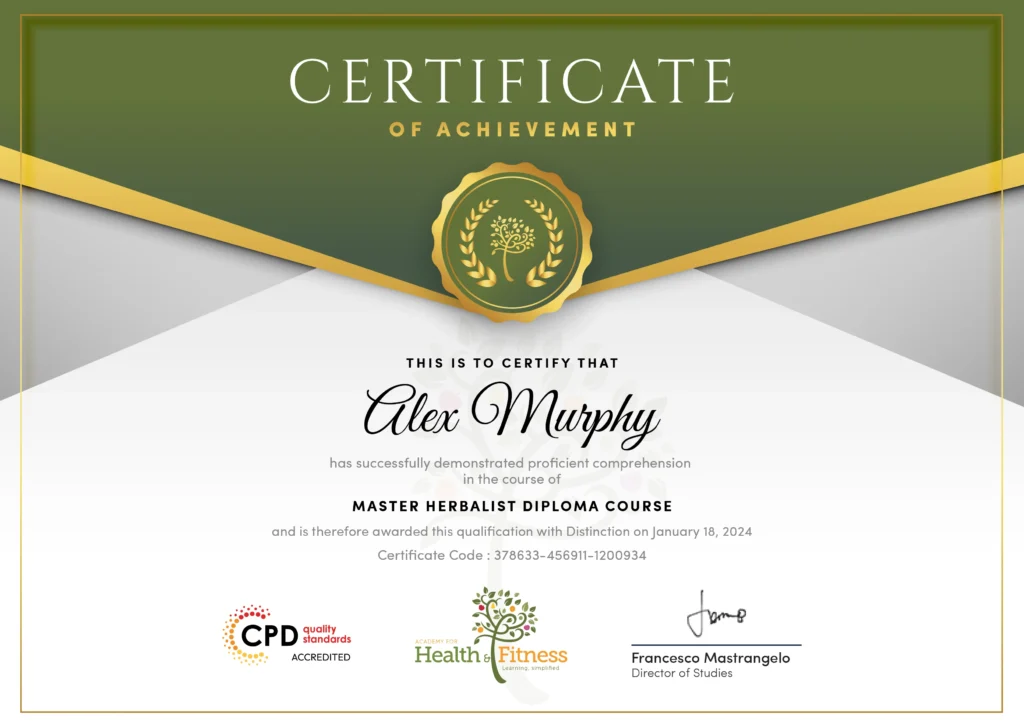
After successfully completing the course, you will qualify for a CPD Certificate as proof of your continued professional development and achievement. This certificate can enhance your professional profile and showcase your commitment to building relevant skills and knowledge. You can receive your digital certificate for only £10, or request a printed hard copy sent by post for just £29 or both for £39.
For assessing your learning, you have to complete an automated MCQ exam. It is required for the students to score at least 60% to pass the exam and fulfil the Quality Licence Scheme-endorsed certificate criteria. Learners can apply for the certificate after they clear the exam.
There are assignment questions provided at the end of the course. You are suggested to complete the questions to enrich your understanding of the course. You can complete this according to your preferred time. The expert tutor will provide feedback on your performance after assessing your assignment.
Safeguarding knowledge is essential across child-focused professions, increasing employability and professional confidence in the UK. Roles range from education to social care, each requiring awareness of child safety and legal responsibilities.
It is understanding practices, laws, and responsibilities to protect children from harm.
It ensures professionals act responsibly, comply with law, and protect children effectively.
Duty of care ensures staff act responsibly, prevent harm, and respond appropriately.
UK laws set standards for child protection and define mandatory reporting obligations.
Signs include neglect, abuse, exploitation, or situations where children are at risk.
Follow procedures: observe, record, report to appropriate authorities promptly and accurately.
Children face digital risks; awareness prevents cyberbullying, grooming, and online exploitation.
It involves background checks, interviews, and policies to prevent harm from adults.
Promote clear policies, staff training, vigilance, and accountability within your organisation.
Professionals, carers, educators, and volunteers who work with or support children.
| Introduction | |||
| Introduction | 00:03:00 | ||
| Module 1: Duty of Care | |||
| Module 1: Duty of Care | 00:03:00 | ||
| Module 2: Law, Guidance, and Roles | |||
| Module 2: Law, Guidance, and Roles Part 1 | 00:05:00 | ||
| Module 2: Law, Guidance, and Roles Part 2 | 00:03:00 | ||
| Module 3: Recognising Harm and Vulnerability | |||
| Module 3: Recognising Harm and Vulnerability Part 1 | 00:03:00 | ||
| Module 3: Recognising Harm and Vulnerability Part 2 | 00:06:00 | ||
| Module 4: Responding, Recording, and Reporting | |||
| Module 4: Responding, Recording, and Reporting Part 1 | 00:05:00 | ||
| Module 4: Responding, Recording, and Reporting Part 2 | 00:03:00 | ||
| Module 5: Online Safeguarding | |||
| Module 5: Online Safeguarding Part 1 | 00:03:00 | ||
| Module 5: Online Safeguarding Part 2 | 00:03:00 | ||
| Module 6: Safer Culture, Governance, and Recruitment | |||
| Module 6: Safer Culture, Governance, and Recruitment Part 1 | 00:05:00 | ||
| Conclusion | 00:01:00 | ||
| Conclusion | |||
| Conclusion | 00:03:00 | ||
| Introduction | |||
| Introduction | 00:03:00 | ||
| Module 1: Duty of Care | |||
| Module 1: Duty of Care | 00:03:00 | ||
| Module 2: Law, Guidance, and Roles | |||
| Module 2: Law, Guidance, and Roles Part 1 | 00:05:00 | ||
| Module 2: Law, Guidance, and Roles Part 2 | 00:03:00 | ||
| Module 3: Recognising Harm and Vulnerability | |||
| Module 3: Recognising Harm and Vulnerability Part 1 | 00:03:00 | ||
| Module 3: Recognising Harm and Vulnerability Part 2 | 00:06:00 | ||
| Module 4: Responding, Recording, and Reporting | |||
| Module 4: Responding, Recording, and Reporting Part 1 | 00:05:00 | ||
| Module 4: Responding, Recording, and Reporting Part 2 | 00:03:00 | ||
| Module 5: Online Safeguarding | |||
| Module 5: Online Safeguarding Part 1 | 00:03:00 | ||
| Module 5: Online Safeguarding Part 2 | 00:03:00 | ||
| Module 6: Safer Culture, Governance, and Recruitment | |||
| Module 6: Safer Culture, Governance, and Recruitment Part 1 | 00:05:00 | ||
| Conclusion | 00:01:00 | ||
| Conclusion | |||
| Conclusion | 00:03:00 | ||