Engage deeply with SEND support in early years and prevent missed developmental opportunities. Understand key strategies for inclusion, assessment, and collaboration. Build confidence in supporting young children effectively. Enrol today.
4.5
(6 Reviews)
67 Students
Exclusive Deal! 94% Off, Today Only!
Sale Ends In
Early identification and support for children with SEND can dramatically influence their learning and development. Many early years practitioners feel unsure how to recognise needs or implement effective strategies, leaving children without essential guidance. This course equips learners with a solid foundation to prevent missed opportunities and ensure inclusive practice.
Across five comprehensive modules, you will explore the principles of SEND, assessment techniques, and practical inclusive strategies. You will learn how to work collaboratively with families and professionals, fostering positive outcomes for children. Leadership, reflective practice, and planning for future developments are also key components, helping you remain effective in evolving educational settings.
By the end of this course, you will confidently interpret SEND needs, apply inclusive strategies, and collaborate efficiently with stakeholders. Don’t risk uncertainty when supporting children’s early development—enhance your skills and impact today.
There are no formal prerequisites to enrol in this Health and Social Care Level 4 course. It is suitable for both beginners and individuals already working in care who want to develop their skills further.
The course is fully accessible online, allowing you to study from home using any internet-enabled device.
All you need is a willingness to learn, basic literacy skills, and to be over the age of 16.
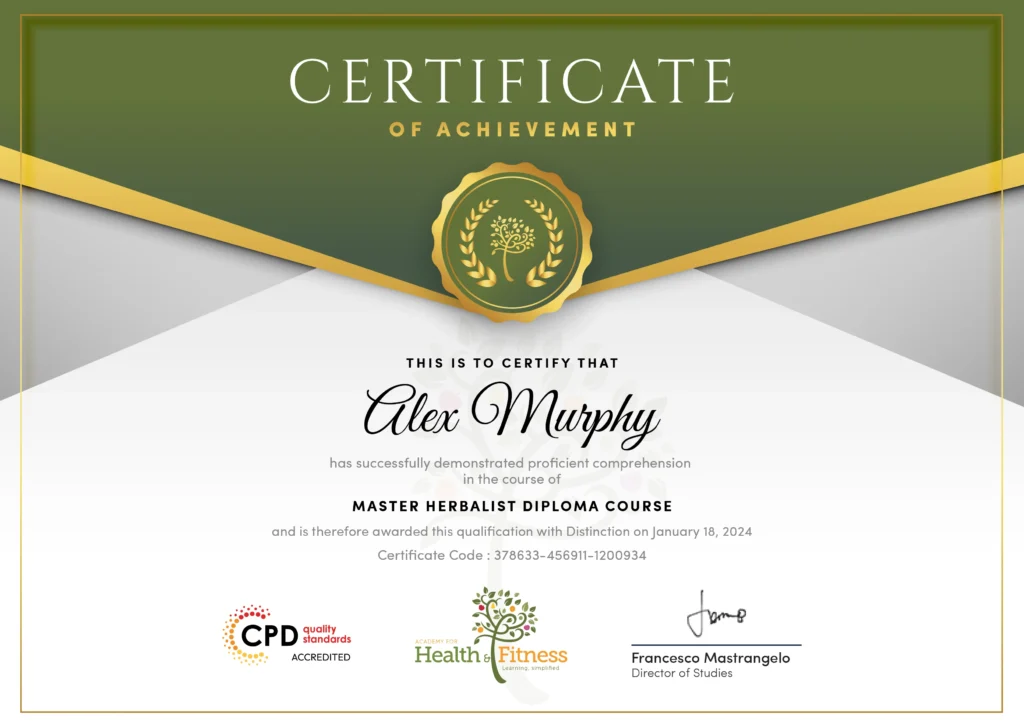
After successfully completing the course, you will qualify for a CPD Certificate as proof of your continued professional development and achievement. This certificate can enhance your professional profile and showcase your commitment to building relevant skills and knowledge. You can receive your digital certificate for only £10, or request a printed hard copy sent by post for just £29 or both for £39.
For assessing your learning, you have to complete an automated MCQ exam. It is required for the students to score at least 60% to pass the exam and fulfil the Quality Licence Scheme-endorsed certificate criteria. Learners can apply for the certificate after they clear the exam.
There are assignment questions provided at the end of the course. You are suggested to complete the questions to enrich your understanding of the course. You can complete this according to your preferred time. The expert tutor will provide feedback on your performance after assessing your assignment.
Understanding SEND in early years opens career pathways in education, childcare, and family support services. Practitioners gain highly relevant skills for inclusive settings.
SEND refers to Special Educational Needs and Disabilities that impact learning. Early identification ensures effective support strategies.
Recognising needs early allows timely interventions, improving developmental and learning outcomes.
It ensures every child can access learning fully and participate meaningfully.
Families provide insights, collaborate on strategies, and reinforce support at home.
Assessment involves observation, standardised tools, and professional collaboration to identify needs accurately.
Differentiated learning, adaptive resources, and structured support plans enhance inclusion.
Multi-disciplinary collaboration ensures consistent strategies and holistic child development support.
Yes, leadership fosters effective practice, staff development, and inclusive culture.
Through regular evaluation of strategies, interventions, and outcomes for continuous improvement.
Policy reforms, inclusive curriculum development, and research-based practices guide progress.
| Module 1: Foundations of SEND in the Early Years | |||
| Module 1: Foundations of SEND in the Early Years Part 1 | 00:04:00 | ||
| Module 1: Foundations of SEND in the Early Years Part 2 | 00:03:00 | ||
| Module 2: Early Identification and Assessment | |||
| Module 2: Early Identification and Assessment Part 1 | 00:04:00 | ||
| Module 2: Early Identification and Assessment Part 2 | 00:04:00 | ||
| Module 3: Inclusive Strategies and Provision | |||
| Module 3: Inclusive Strategies and Provision Part 1 | 00:04:00 | ||
| Module 3: Inclusive Strategies and Provision Part 2` | 00:04:00 | ||
| Module 4: Working with Families and Professionals | |||
| Module 4: Working with Families and Professionals Part 1 | 00:03:00 | ||
| Module 4: Working with Families and Professionals Part 2 | 00:03:00 | ||
| Module 5: Leadership, Reflection, and Future Directions | |||
| Module 5: Leadership, Reflection, and Future Directions Part 1 | 00:03:00 | ||
| Module 5: Leadership, Reflection, and Future Directions Part 2 | 00:03:00 | ||
| Module 1: Foundations of SEND in the Early Years | |||
| Module 1: Foundations of SEND in the Early Years Part 1 | 00:04:00 | ||
| Module 1: Foundations of SEND in the Early Years Part 2 | 00:03:00 | ||
| Module 2: Early Identification and Assessment | |||
| Module 2: Early Identification and Assessment Part 1 | 00:04:00 | ||
| Module 2: Early Identification and Assessment Part 2 | 00:04:00 | ||
| Module 3: Inclusive Strategies and Provision | |||
| Module 3: Inclusive Strategies and Provision Part 1 | 00:04:00 | ||
| Module 3: Inclusive Strategies and Provision Part 2` | 00:04:00 | ||
| Module 4: Working with Families and Professionals | |||
| Module 4: Working with Families and Professionals Part 1 | 00:03:00 | ||
| Module 4: Working with Families and Professionals Part 2 | 00:03:00 | ||
| Module 5: Leadership, Reflection, and Future Directions | |||
| Module 5: Leadership, Reflection, and Future Directions Part 1 | 00:03:00 | ||
| Module 5: Leadership, Reflection, and Future Directions Part 2 | 00:03:00 | ||