Children with special educational needs face unique mental health challenges, yet many staff feel unprepared. Gain practical knowledge, understand interventions, and support children confidently. Enrol today.
4.5
(6 Reviews)
74 Students
Exclusive Deal! 94% Off, Today Only!
Sale Ends In
Supporting children with mental health needs in inclusive settings is increasingly vital, yet many SEN and inclusion teams report uncertainty in how best to respond. Misunderstandings or delays in addressing mental health challenges can significantly affect a child’s development and wellbeing. This course equips professionals with the knowledge to act confidently and proactively.
Learners will explore the foundations of child mental health and SEN, methods for identification and early intervention, and strategies to manage common mental health issues in inclusive classrooms. Evidence-based interventions, safeguarding responsibilities, and ethical approaches are highlighted to ensure equitable support. The course also examines professional roles, collaborative team practices, and workforce development to strengthen multi-disciplinary approaches. Additionally, learners gain insight into emerging trends and innovative practices shaping the future of child mental health support in the UK.
By the end, participants will be ready to identify concerns early, implement effective strategies, and collaborate confidently. Don’t risk uncertainty in safeguarding children—enhance your skills and make a meaningful impact. Enrol today.
There are no formal prerequisites to enrol in this Health and Social Care Level 4 course. It is suitable for both beginners and individuals already working in care who want to develop their skills further.
The course is fully accessible online, allowing you to study from home using any internet-enabled device.
All you need is a willingness to learn, basic literacy skills, and to be over the age of 16.
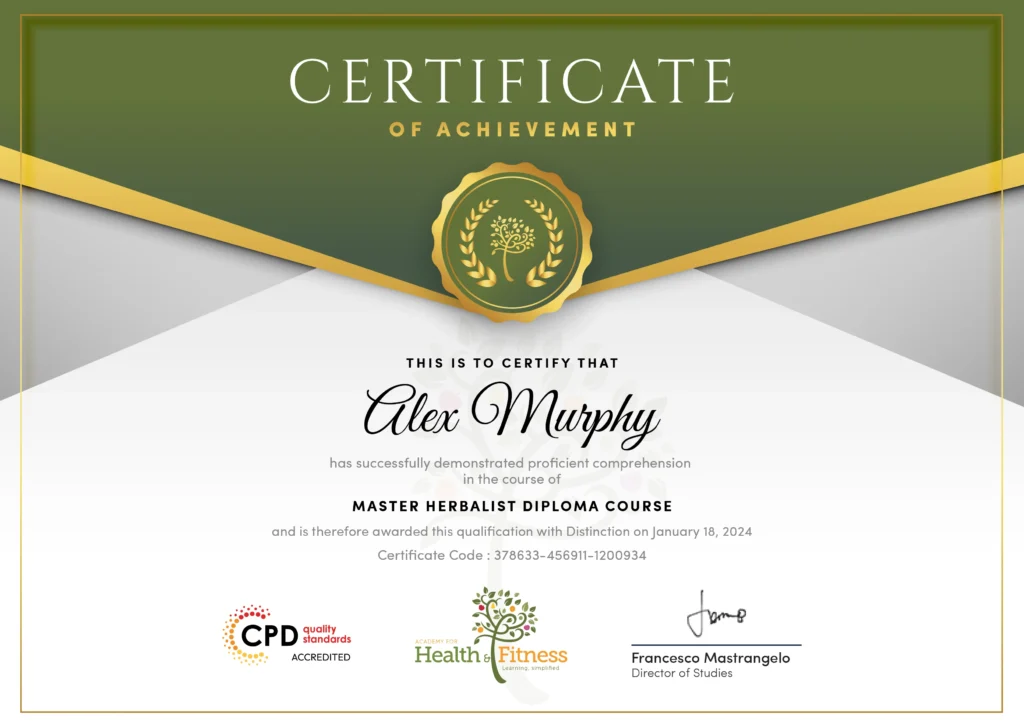
After successfully completing the course, you will qualify for a CPD Certificate as proof of your continued professional development and achievement. This certificate can enhance your professional profile and showcase your commitment to building relevant skills and knowledge. You can receive your digital certificate for only £10, or request a printed hard copy sent by post for just £29 or both for £39.
For assessing your learning, you have to complete an automated MCQ exam. It is required for the students to score at least 60% to pass the exam and fulfil the Quality Licence Scheme-endorsed certificate criteria. Learners can apply for the certificate after they clear the exam.
There are assignment questions provided at the end of the course. You are suggested to complete the questions to enrich your understanding of the course. You can complete this according to your preferred time. The expert tutor will provide feedback on your performance after assessing your assignment.
This course equips learners with essential skills to support child mental health in inclusive UK education settings. These skills open opportunities across schools, social care, and specialist support services.
SEN teams support identification, intervention, and ongoing care for children. They ensure inclusive, safe learning environments.
Early intervention addresses mental health concerns promptly, preventing escalation. It promotes engagement and academic progress.
Safeguarding ensures children’s safety, wellbeing, and legal protection within school and care settings.
Anxiety, ADHD, depression, and social-emotional difficulties frequently arise among children with SEN.
Strategies like structured routines, cognitive-behavioural techniques, and collaborative interventions improve learning outcomes.
Team-based approaches ensure consistent support, share expertise, and optimise interventions across school staff.
Roles increasingly focus on integrated, multidisciplinary support with emphasis on early identification.
Confidentiality, equity, and child-centred decision-making guide professional conduct in all interventions.
Ongoing training and reflective practice improve staff skills, resilience, and effectiveness in supporting children.
Increased digital tools, trauma-informed approaches, and collaborative policy reforms are transforming practice.
| Introduction | |||
| Introduction | 00:04:00 | ||
| Module 1: Foundations of Child Mental Health and SEN | |||
| Module 1: Foundations of Child Mental Health and SEN | 00:03:00 | ||
| Module 2: Identification, Assessment, and Early Intervention | |||
| Module 2: Identification, Assessment, and Early Intervention Part 1 | 00:06:00 | ||
| Module 2: Identification, Assessment, and Early Intervention Part 2 | 00:04:00 | ||
| Module 3: Common Mental Health Challenges in Inclusive Settings | |||
| Module 3: Common Mental Health Challenges in Inclusive Settings Part 1 | 00:05:00 | ||
| Module 3: Common Mental Health Challenges in Inclusive Settings Part 2 | 00:03:00 | ||
| Module 4: Evidence-Based Interventions and Classroom Strategies | |||
| Module 4: Evidence-Based Interventions and Classroom Strategies Part 1 | 00:04:00 | ||
| Module 4: Evidence-Based Interventions and Classroom Strategies Part 2 | 00:02:00 | ||
| Module 5: Safeguarding, Ethics, and Equity | |||
| Module 5: Safeguarding, Ethics, and Equity Part 1 | 00:05:00 | ||
| Module 5: Safeguarding, Ethics, and Equity Part 2 | 00:02:00 | ||
| Module 6: Professional Roles, Teams, and Workforce Development | |||
| Module 6: Professional Roles, Teams, and Workforce Development Part 1 | 00:06:00 | ||
| Module 6: Professional Roles, Teams, and Workforce Development Part 2 | 00:01:00 | ||
| Module 7: Future Trends and Innovation in Child Mental Health and Inclusion | |||
| Module 7: Future Trends and Innovation in Child Mental Health and Inclusion Part 1 | 00:06:00 | ||
| Module 7: Future Trends and Innovation in Child Mental Health and Inclusion Part 2 | 00:02:00 | ||
| Introduction | |||
| Introduction | 00:04:00 | ||
| Module 1: Foundations of Child Mental Health and SEN | |||
| Module 1: Foundations of Child Mental Health and SEN | 00:03:00 | ||
| Module 2: Identification, Assessment, and Early Intervention | |||
| Module 2: Identification, Assessment, and Early Intervention Part 1 | 00:06:00 | ||
| Module 2: Identification, Assessment, and Early Intervention Part 2 | 00:04:00 | ||
| Module 3: Common Mental Health Challenges in Inclusive Settings | |||
| Module 3: Common Mental Health Challenges in Inclusive Settings Part 1 | 00:05:00 | ||
| Module 3: Common Mental Health Challenges in Inclusive Settings Part 2 | 00:03:00 | ||
| Module 4: Evidence-Based Interventions and Classroom Strategies | |||
| Module 4: Evidence-Based Interventions and Classroom Strategies Part 1 | 00:04:00 | ||
| Module 4: Evidence-Based Interventions and Classroom Strategies Part 2 | 00:02:00 | ||
| Module 5: Safeguarding, Ethics, and Equity | |||
| Module 5: Safeguarding, Ethics, and Equity Part 1 | 00:05:00 | ||
| Module 5: Safeguarding, Ethics, and Equity Part 2 | 00:02:00 | ||
| Module 6: Professional Roles, Teams, and Workforce Development | |||
| Module 6: Professional Roles, Teams, and Workforce Development Part 1 | 00:06:00 | ||
| Module 6: Professional Roles, Teams, and Workforce Development Part 2 | 00:01:00 | ||
| Module 7: Future Trends and Innovation in Child Mental Health and Inclusion | |||
| Module 7: Future Trends and Innovation in Child Mental Health and Inclusion Part 1 | 00:06:00 | ||
| Module 7: Future Trends and Innovation in Child Mental Health and Inclusion Part 2 | 00:02:00 | ||