Many children with autism miss crucial support, leaving families anxious and uncertain. Learn practical strategies to empower, include, and nurture children with ASD. Enrol today.
4.5
(6 Reviews)
65 Students
Exclusive Deal! 94% Off, Today Only!
Sale Ends In
Every year, thousands of children in the UK face challenges due to Autism Spectrum Disorder (ASD), and families often struggle to access timely, effective support. Without proper understanding, children may miss learning opportunities, experience social isolation, or encounter difficulties in daily life.
This course equips learners with the knowledge to understand ASD comprehensively, from developmental characteristics to evidence-based interventions. You will explore inclusive education practices, strategies for behaviour management, family support systems, and methods to promote wellbeing. The curriculum also addresses transitions in schooling and future planning, ensuring children’s needs are met across life stages.
By the end of this course, you will confidently support children with ASD, create inclusive learning environments, and collaborate effectively with families and professionals. Don’t risk missing critical insights—join now and make a meaningful difference in children’s lives.
There are no formal prerequisites to enrol in this Health and Social Care Level 4 course. It is suitable for both beginners and individuals already working in care who want to develop their skills further.
The course is fully accessible online, allowing you to study from home using any internet-enabled device.
All you need is a willingness to learn, basic literacy skills, and to be over the age of 16.
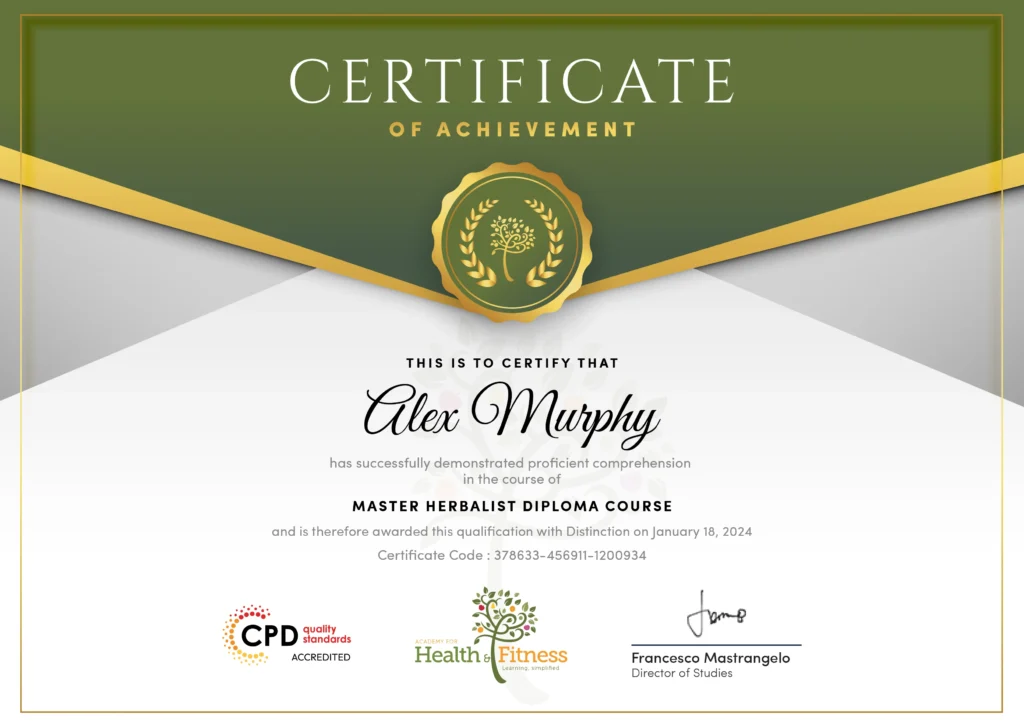
After successfully completing the course, you will qualify for a CPD Certificate as proof of your continued professional development and achievement. This certificate can enhance your professional profile and showcase your commitment to building relevant skills and knowledge. You can receive your digital certificate for only £10, or request a printed hard copy sent by post for just £29 or both for £39.
For assessing your learning, you have to complete an automated MCQ exam. It is required for the students to score at least 60% to pass the exam and fulfil the Quality Licence Scheme-endorsed certificate criteria. Learners can apply for the certificate after they clear the exam.
There are assignment questions provided at the end of the course. You are suggested to complete the questions to enrich your understanding of the course. You can complete this according to your preferred time. The expert tutor will provide feedback on your performance after assessing your assignment.
Supporting children with ASD opens diverse career paths across the UK, from education to social care. Skilled professionals are in demand to deliver inclusive, evidence-based support.
ASD is a developmental condition affecting communication, behaviour, and social interaction. It presents differently in each child.
Â
It adapts learning environments to accommodate diverse needs, enabling participation and academic progress.
Â
Early support improves communication, social skills, and educational outcomes for children.
Â
Families are central to consistent care, reinforcing learning strategies and emotional wellbeing.
Â
Professionals assess each child’s needs and choose interventions proven to improve skills effectively.
Â
Structured routines, clear expectations, and positive reinforcement are widely used techniques.
Â
It guides planning for school changes, adulthood, and continued support needs.
Â
Observation, empathy, collaboration, and knowledge of interventions are key for effectiveness.
Â
By creating accessible classrooms, peer engagement opportunities, and supportive activities.
Â
Roles in education, therapy, social care, and inclusive community programmes are relevant.
| Introduction | |||
| Introduction | 00:05:00 | ||
| Module 1: Understanding Autism Spectrum Disorder | |||
| Module 1: Understanding Autism Spectrum Disorder Part 2 | 00:02:00 | ||
| Module 2: Child Development and Core Characteristics | |||
| Module 2: Child Development and Core Characteristics Part 1 | 00:06:00 | ||
| Module 2: Child Development and Core Characteristics Part 2 | 00:03:00 | ||
| Module 3: Inclusive Education and Learning Environments | |||
| Module 3: Inclusive Education and Learning Environments Part 1 | 00:03:00 | ||
| Module 3: Inclusive Education and Learning Environments Part 2 | 00:04:00 | ||
| Module 4: Evidence-Based Interventions and Supports | |||
| Module 4: Evidence-Based Interventions and Supports Part 1 | 00:03:00 | ||
| Module 4: Evidence-Based Interventions and Supports Part 2 | 00:04:00 | ||
| Module 5: Behaviour, Wellbeing, and Family Support | |||
| Module 5: Behaviour, Wellbeing, and Family Support Part 1 | 00:04:00 | ||
| Module 5: Behaviour, Wellbeing, and Family Support Part 2 | 00:01:00 | ||
| Module 6: Transitions and Future Perspectives | |||
| Module 6: Transitions and Future Perspectives Part 1 | 00:05:00 | ||
| Module 6: Transitions and Future Perspectives Part 2 | 00:01:00 | ||
| Introduction | |||
| Introduction | 00:05:00 | ||
| Module 1: Understanding Autism Spectrum Disorder | |||
| Module 1: Understanding Autism Spectrum Disorder Part 2 | 00:02:00 | ||
| Module 2: Child Development and Core Characteristics | |||
| Module 2: Child Development and Core Characteristics Part 1 | 00:06:00 | ||
| Module 2: Child Development and Core Characteristics Part 2 | 00:03:00 | ||
| Module 3: Inclusive Education and Learning Environments | |||
| Module 3: Inclusive Education and Learning Environments Part 1 | 00:03:00 | ||
| Module 3: Inclusive Education and Learning Environments Part 2 | 00:04:00 | ||
| Module 4: Evidence-Based Interventions and Supports | |||
| Module 4: Evidence-Based Interventions and Supports Part 1 | 00:03:00 | ||
| Module 4: Evidence-Based Interventions and Supports Part 2 | 00:04:00 | ||
| Module 5: Behaviour, Wellbeing, and Family Support | |||
| Module 5: Behaviour, Wellbeing, and Family Support Part 1 | 00:04:00 | ||
| Module 5: Behaviour, Wellbeing, and Family Support Part 2 | 00:01:00 | ||
| Module 6: Transitions and Future Perspectives | |||
| Module 6: Transitions and Future Perspectives Part 1 | 00:05:00 | ||
| Module 6: Transitions and Future Perspectives Part 2 | 00:01:00 | ||