
Day Trading Essentials
Course Overview Recent UK data shows that over 40% of adults feel unprepared for long-term financial security, with many lacking …
4.5
(6 Reviews) 59 Students

Day Trading Essentials
Exclusive Deal! 94% Off, Today Only!
Sale Ends In

 TAKE All courses for
£99
TAKE All courses for
£99 


This course includes:
-
 Access1 Year Access
 -
 Skill Level
 -
 Duration51 minutes
 -
 Students59 Students
- Original price was: £425.£25Current price is: £25. ex VAT
- 1 year
- Advanced
- Number of Units5
- Number of Quizzes0
- 51 minutes Gift this course
 14-Day Money-Back Guarantee
Course Overview
Recent UK data shows that over 40% of adults feel unprepared for long-term financial security, with many lacking structured investment or wealth protection strategies. As inflation, market volatility, and pension uncertainty continue to influence financial stability, individuals are expected to take greater responsibility for managing savings, assets, and future planning. Without clear financial planning and risk awareness, wealth erosion can occur gradually over time.
This Wealth Building Strategies course provides structured insight into financial planning essentials, investment fundamentals, wealth protection techniques, and sustainable legacy planning approaches. Learners explore asset diversification, long-term growth principles, and financial risk mitigation aligned with responsible UK financial practice. The programme strengthens strategic thinking around capital growth, income planning, and wealth preservation.
By completing this course, individuals enhance financial decision-making confidence and long-term planning capability before overlooked opportunities compromise wealth sustainability.
Learning Outcomes
- Apply capital growth strategies aligned with financial goals.
- Explain fundamental principles of structured wealth building strategies.
- Interpret financial planning frameworks supporting long-term stability.
- Identify core investment fundamentals and asset diversification principles.
- Assess risk tolerance influencing investment decision-making processes.
- Recognise wealth protection methods reducing financial vulnerability.
- Understand tax efficiency considerations within wealth planning contexts.
- Develop sustainable wealth accumulation and preservation approaches.
- Promote disciplined financial decision-making within personal portfolios.
- Evaluate legacy planning strategies supporting intergenerational wealth transfer.
Why People Love and Enrol in this Training?
- CPD Accredited Course
- Unlimited access for 12 months – learn at your own pace ️
- Earn instant certificate upon course completion
- Get a free student ID card to showcase
- Flexible study – no deadlines
- Transparent pricing – no hidden fees
- Dedicated tutor support on weekdays
- Fast assessments & instant results
Who is this Course For?
- Aspiring financial planners
- Young professionals building assets
- Entrepreneurs and business owners
- Career changers into finance
- Long-term investors
- Individuals planning retirement
CPD Certification
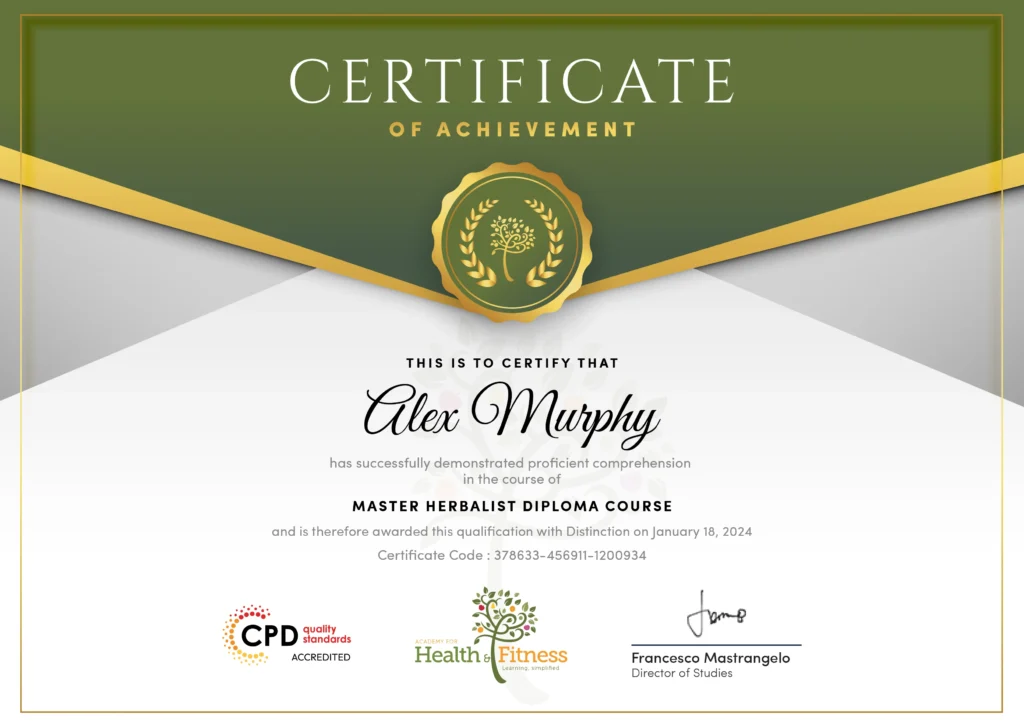
After successfully completing the course, you will qualify for a CPD Certificate as proof of your continued professional development and achievement. This certificate can enhance your professional profile and showcase your commitment to building relevant skills and knowledge. You can receive your digital certificate for only £10, or request a printed hard copy sent by post for just £29 or both for £39.
Assessment
For assessing your learning, you have to complete an automated MCQ exam. It is required for the students to score at least 60% to pass the exam. Learners can apply for the certificate after they clear the exam.
There are assignment questions provided at the end of the course. You are suggested to complete the questions to enrich your understanding of the course. You can complete this according to your preferred time. The expert tutor will provide feedback on your performance after assessing your assignment.
Prerequisites
There are no prerequisites, and you may use any internet-enabled device to study at your own speed, it is adaptable and available to students of all skill levels.
Job Opportunities
Wealth planning and financial strategy expertise are highly valued across UK banking, advisory, and investment sectors. Employers and clients prioritise individuals who demonstrate structured understanding of financial planning, risk management, and long-term capital growth principles aligned with responsible practice.
- Financial Planning Assistant
Supports senior financial advisers by preparing client reports, analysing portfolio data, and assisting with structured wealth planning strategies. Helps ensure regulatory compliance and client documentation accuracy. Average salary £25,000 to £35,000. - Investment Analyst (Entry-Level)
Evaluates market data, asset performance trends, and diversification opportunities supporting portfolio growth decisions. Assists in research-based investment recommendations within regulated environments. Average salary £30,000 to £45,000. - Wealth Management Associate
Works alongside advisers to support high-net-worth client portfolios, financial modelling, and long-term wealth strategies. Strengthens client communication and strategic planning processes. Average salary £35,000 to £55,000. - Personal Finance Consultant
Advises individuals on budgeting, savings, and long-term asset growth frameworks tailored to financial goals. Promotes disciplined and sustainable financial planning behaviour. Average salary £30,000 to £50,000. - Risk and Compliance Analyst (Finance Sector)
Monitors regulatory adherence within investment and wealth advisory services. Supports governance frameworks reducing financial and reputational risk. Average salary £35,000 to £60,000. - Retirement Planning Adviser
Guides clients through pension planning, income structuring, and wealth preservation strategies aligned with UK financial regulations. Strengthens long-term financial security planning. Average salary £40,000 to £70,000. - Portfolio Administrator
Manages transaction records, asset allocation documentation, and performance reporting for investment portfolios. Ensures structured operational oversight within wealth management firms. Average salary £24,000 to £35,000. - Financial Services Business Development Executive
Supports the growth of advisory firms by building client relationships and promoting structured financial planning services. Enhances market reach and strategic positioning. Average salary £35,000 to £65,000. - Banking Relationship Officer
Works within retail or private banking to support clients with investment products and wealth planning services. Maintains structured compliance and client engagement standards. Average salary £28,000 to £45,000.
Frequently Asked Questions
What are wealth building strategies?
Wealth building strategies involve structured financial planning, disciplined saving and strategic investing to grow assets over time. They focus on sustainable capital growth and risk management.
Why is financial planning important for long-term wealth?
Financial planning provides clarity around income, expenditure and investment goals. Without structure, wealth accumulation may become inconsistent or inefficient.
How does diversification reduce investment risk?
Diversification spreads investments across different asset classes to reduce exposure to single-market volatility. Balanced portfolios strengthen resilience during market fluctuations.
What role does risk tolerance play in investing?
Risk tolerance influences asset allocation and investment strategy decisions. Understanding personal comfort levels supports disciplined financial behaviour.
Is legacy planning part of wealth building?
Yes, legacy planning ensures assets are transferred efficiently and responsibly across generations. Structured planning reduces legal and tax complications.
How does inflation impact wealth growth?
Inflation reduces purchasing power over time, making strategic investment and growth planning essential. Without proactive measures, savings may erode.
Can this course support career entry into finance?
Yes, foundational knowledge of wealth planning and investment principles supports entry-level roles in banking and advisory services. Further regulatory qualifications may be required for licensed roles.
What is sustainable wealth management?
Sustainable wealth management focuses on long-term asset preservation alongside responsible financial decision-making. It balances growth with risk awareness.
How do tax considerations affect wealth planning?
Tax efficiency strategies help maximise returns within legal frameworks. Awareness supports structured financial optimisation.
Who should consider structured wealth planning education?
Professionals, entrepreneurs and individuals seeking long-term financial security benefit from structured planning knowledge aligned with responsible UK financial practices.
Course Curriculum
| Module 1: Introduction to Day Trading | |||
| Module 1: Introduction to Day Trading | 00:10:00 | ||
| Module 2: Setting Up for Success | |||
| Module 2: Setting Up for Success | 00:10:00 | ||
| Module 3: Technical Analysis Basics | |||
| Module 3: Technical Analysis Basics | 00:10:00 | ||
| Module 4: Risk Management and Psychology | |||
| Module 4: Risk Management and Psychology | 00:10:00 | ||
| Module 5: Executing Trades and Performance | |||
| Module 5: Executing Trades and Performance | 00:11:00 | ||