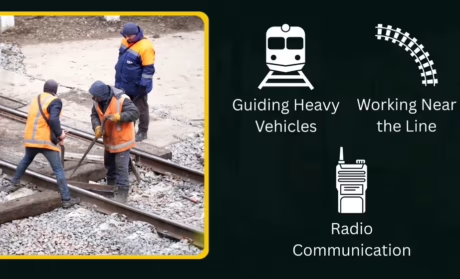
Rail infrastructure projects involve constant vehicle and plant movement, where a single signalling error can disrupt operations and compromise safety. Enrol now to strengthen rail-specific banksman awareness before miscommunication leads to preventable incidents.
4.5
(6 Reviews)
124 Students
Exclusive Deal! 94% Off, Today Only!
Sale Ends In
Workplace transport incidents remain one of the leading causes of serious injury within the UK rail and infrastructure sectors. According to Health and Safety Executive data, vehicle-related accidents account for a significant proportion of major injuries across construction and rail maintenance environments each year. Rail worksites often involve restricted access, moving plant, limited visibility, and strict operational controls. Without structured coordination and clear signalling, minor communication failures can escalate into operational disruption, regulatory investigation, or serious harm.
This Banksman Training for Rail Industry Personnel course develops focused knowledge of the banksman’s responsibilities within rail-specific environments. You will explore controlled plant movements, safe positioning, communication discipline, and behavioural awareness essential for high-risk rail settings. The programme reinforces safety-first principles, calm decision-making, and compliance with UK rail safety expectations.
By completing this course, you enhance your ability to manage rail vehicle coordination confidently. Strengthen structured oversight before communication gaps compromise safety performance and operational reliability.
After successfully completing the course, you will qualify for a CPD Certificate as proof of your continued professional development and achievement. This certificate can enhance your professional profile and showcase your commitment to building relevant skills and knowledge. You can receive your digital certificate for only £10, or request a printed hard copy sent by post for just £29 or both for £39.
For assessing your learning, you have to complete an automated MCQ exam. It is required for the students to score at least 60% to pass the exam. Learners can apply for the certificate after they clear the exam.
There are assignment questions provided at the end of the course. You are suggested to complete the questions to enrich your understanding of the course. You can complete this according to your preferred time. The expert tutor will provide feedback on your performance after assessing your assignment.
There are no prerequisites, and you may use any internet-enabled device to study at your own speed, it is adaptable and available to students of all skill levels.
Asbestos awareness is mandatory across many UK construction roles, particularly where refurbishment, demolition, or maintenance of older buildings occurs. Employers prioritise workers who understand asbestos risks and regulatory compliance requirements.
Construction Labourer
Performs renovation and maintenance tasks in older buildings. Applies asbestos awareness to prevent hazardous fibre exposure. Average salary £22,000–£30,000.
Maintenance Technician
Carries out repair work involving drilling and material removal. Identifies potential asbestos-containing materials before disturbance. Average salary £25,000–£38,000.
Site Supervisor
Oversees compliance with asbestos awareness and safety procedures. Ensures workers follow reporting and risk identification protocols.
Average salary £35,000–£50,000.
Electrician
Works in ceiling voids and wall cavities within older properties. Recognises asbestos risks before installation or rewiring tasks. Average salary £30,000–£45,000.
Plumber
Performs pipework repairs in buildings containing historic materials. Uses asbestos awareness to avoid fibre release. Average salary £28,000–£42,000.
Demolition Operative
Engages in structural removal and refurbishment projects. Applies asbestos risk recognition before demolition activities. Average salary £24,000–£35,000.
Property Maintenance Operative
Maintains commercial and residential buildings safely. Identifies asbestos-containing materials during inspections. Average salary £24,000–£34,000.
Facilities Manager
Ensures asbestos management plans are followed correctly. Coordinates compliance and risk communication processes. Average salary £35,000–£55,000.
Health and Safety Officer
Monitors asbestos awareness training and regulatory adherence. Supports risk assessments and incident reporting systems. Average salary £35,000–£60,000.
Construction Project Manager
Oversees refurbishment and compliance with asbestos regulations. Ensures contractors follow safe working practices. Average salary £45,000–£70,000.
A rail banksman coordinates plant and vehicle movements within controlled rail worksites. They use recognised signalling methods to reduce collision risks and maintain structured communication.
Rail environments often involve restricted access, moving plant, and strict operational controls. Structured training reduces miscommunication and improves transport safety performance.
Limited visibility, track proximity, and heavy rail equipment increase risk. Coordinated signalling helps prevent avoidable incidents.
Yes, UK rail safety frameworks require employers to manage workplace transport risks effectively. Competent coordination reduces enforcement and liability concerns.
They must remain visible to operators while staying outside movement zones. Safe positioning ensures control without personal exposure.
Standardised hand signals and agreed site communication systems are applied. Clear signalling prevents confusion during manoeuvres.
Yes, it examines how stress and pressure can affect communication. Calm decision-making strengthens operational safety.
Yes, structured safety awareness enhances supervisory and coordination roles. Employers value rail-specific transport competence.
Refresher frequency depends on site risk levels and employer policy. High-risk environments may require periodic review.
Yes, it reinforces structured coordination principles aligned with UK rail safety standards and operational compliance.
| Introduction | |||
| Introduction | 00:00:39 | ||
| Module 1: Stepping into the Banksman Role | |||
| 1.1 What a Rail Banksman Really Does | 00:01:00 | ||
| 1.2 Know the Rules, Own the Role | 00:01:00 | ||
| 1.3 Speak the Rail Language | 00:01:00 | ||
| 1.4 Say It Right, Signal It Clear | 00:01:00 | ||
| Module 01: Assessment | |||
| Quiz 1 -Banksman Training for Rail Industry Personnel | 00:00:00 | ||
| Module 2: Safety First, Always | |||
| 2.1 Spot the Danger Before It Spots You | 00:01:00 | ||
| 2.2 Think Before You Move—Risk Assessment in Action | 00:01:00 | ||
| 2.3 Plot the Path to Safety | 00:01:00 | ||
| 2.4 Dress for the Risk, Not the Weather | 00:01:00 | ||
| Module 02: Assessment | |||
| Quiz 2 -Banksman Training for Rail Industry Personnel | 00:00:00 | ||
| Module 3: Mastering the Move | |||
| 3.1 Hands that Talk—Mastering Signals | 00:01:00 | ||
| 3.2 Radio Ready: Say It Once, Say It Right | 00:01:00 | ||
| 3.3 Take the Wheel (Through Someone Else) | 00:01:00 | ||
| 3.4 Reverse Without Regret | 00:01:00 | ||
| Module 03: Assessment | |||
| Quiz 3 -Banksman Training for Rail Industry Personnel | 00:00:00 | ||
| Module 4: Stay Calm, Stay in Control | |||
| 4.1 Stop Means Stop—Fast | 00:01:00 | ||
| 4.2 Report It Right, Right Away | 00:01:00 | ||
| 4.3 What If? Be Ready for the Unexpected | 00:01:00 | ||
| 4.4 Learn Fast, Improve Faster | 00:01:00 | ||
| Module 04: Assessment | |||
| Quiz 4 -Banksman Training for Rail Industry Personnel | 00:00:00 | ||
| Conclusion | |||
| Conclusion | 00:00:41 | ||
| Module 05: Assessment | |||
| Final Quiz -Banksman Training for Rail Industry Personnel | 00:00:00 | ||
| Introduction | |||
| Introduction | 00:00:39 | ||
| Module 1: Stepping into the Banksman Role | |||
| 1.1 What a Rail Banksman Really Does | 00:01:00 | ||
| 1.2 Know the Rules, Own the Role | 00:01:00 | ||
| 1.3 Speak the Rail Language | 00:01:00 | ||
| 1.4 Say It Right, Signal It Clear | 00:01:00 | ||
| Module 01: Assessment | |||
| Quiz 1 -Banksman Training for Rail Industry Personnel | 00:00:00 | ||
| Module 2: Safety First, Always | |||
| 2.1 Spot the Danger Before It Spots You | 00:01:00 | ||
| 2.2 Think Before You Move—Risk Assessment in Action | 00:01:00 | ||
| 2.3 Plot the Path to Safety | 00:01:00 | ||
| 2.4 Dress for the Risk, Not the Weather | 00:01:00 | ||
| Module 02: Assessment | |||
| Quiz 2 -Banksman Training for Rail Industry Personnel | 00:00:00 | ||
| Module 3: Mastering the Move | |||
| 3.1 Hands that Talk—Mastering Signals | 00:01:00 | ||
| 3.2 Radio Ready: Say It Once, Say It Right | 00:01:00 | ||
| 3.3 Take the Wheel (Through Someone Else) | 00:01:00 | ||
| 3.4 Reverse Without Regret | 00:01:00 | ||
| Module 03: Assessment | |||
| Quiz 3 -Banksman Training for Rail Industry Personnel | 00:00:00 | ||
| Module 4: Stay Calm, Stay in Control | |||
| 4.1 Stop Means Stop—Fast | 00:01:00 | ||
| 4.2 Report It Right, Right Away | 00:01:00 | ||
| 4.3 What If? Be Ready for the Unexpected | 00:01:00 | ||
| 4.4 Learn Fast, Improve Faster | 00:01:00 | ||
| Module 04: Assessment | |||
| Quiz 4 -Banksman Training for Rail Industry Personnel | 00:00:00 | ||
| Conclusion | |||
| Conclusion | 00:00:41 | ||
| Module 05: Assessment | |||
| Final Quiz -Banksman Training for Rail Industry Personnel | 00:00:00 | ||