In chemical facilities, confined spaces can turn hazardous in seconds due to toxic gases and reactive substances. Enrol now to strengthen safe entry knowledge and compliance awareness before unseen risks lead to serious incidents or regulatory action.
4.5
(6 Reviews)
163 Students
Exclusive Deal! 94% Off, Today Only!
Sale Ends In
Confined space incidents in the UK’s chemical industry remain a serious safety concern, with the Health and Safety Executive (HSE) reporting that toxic atmospheres, chemical residues, and oxygen deficiency are leading causes of fatalities and serious injuries. Many incidents occur during maintenance and cleaning of tanks, vessels, and reactors where hazards are underestimated. Under the Confined Spaces Regulations 1997 and COSHH, employers must ensure robust risk assessments, safe systems of work, and competent personnel to manage these high-risk environments effectively.
This Confined Space Training for Chemical Industry Workers course provides essential knowledge of confined space hazards specific to chemical facilities. Learners will explore structured entry procedures, permit-to-work systems, atmospheric monitoring, isolation techniques, and supervision requirements aligned with UK safety legislation and industry best practices.
By completing this course, participants strengthen their ability to manage confined space risks confidently and compliantly. Enhance operational safety and regulatory readiness before overlooked hazards lead to serious incidents, costly downtime, or enforcement action.
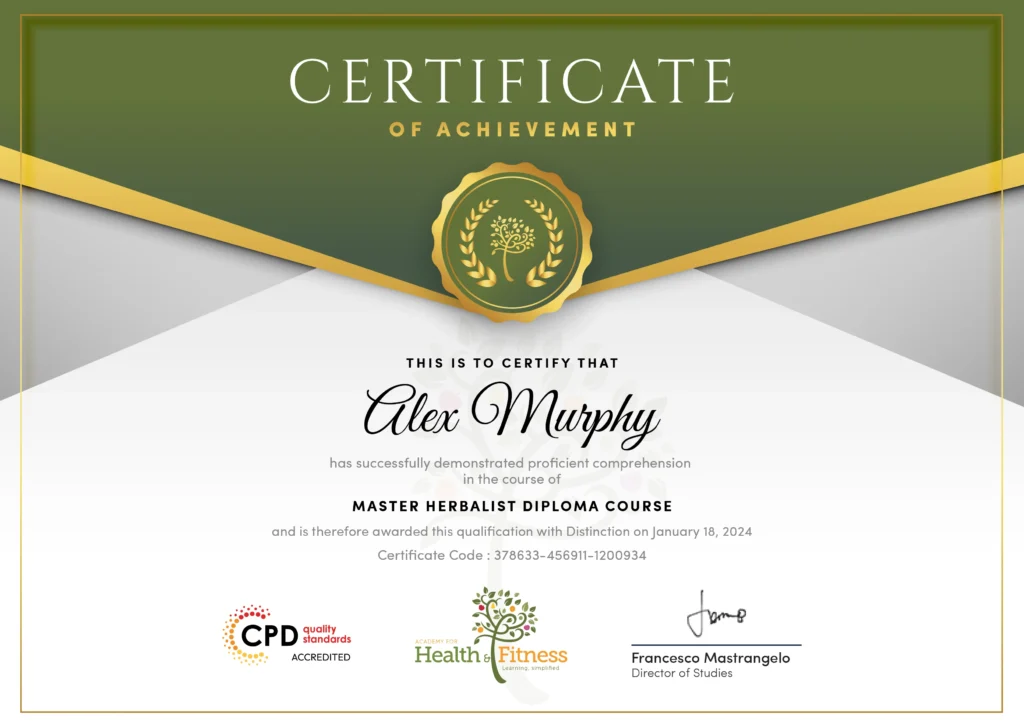
After successfully completing the course, you will qualify for a CPD Certificate as proof of your continued professional development and achievement. This certificate can enhance your professional profile and showcase your commitment to building relevant skills and knowledge. You can receive your digital certificate for only £10, or request a printed hard copy sent by post for just £29 or both for £39.
For assessing your learning, you have to complete an automated MCQ exam. It is required for the students to score at least 60% to pass the exam. Learners can apply for the certificate after they clear the exam.
There are assignment questions provided at the end of the course. You are suggested to complete the questions to enrich your understanding of the course. You can complete this according to your preferred time. The expert tutor will provide feedback on your performance after assessing your assignment.
There are no prerequisites, and you may use any internet-enabled device to study at your own speed, it is adaptable and available to students of all skill levels.
Confined space safety knowledge is critical in the UK chemical and process industries, where tanks, vessels, and reactors require controlled entry for maintenance and inspection. This training enhances employability, compliance capability, and progression into supervisory and safety-focused roles.
Chemical Plant Operator
Operates and monitors chemical processes involving confined vessels and tanks.
Applies safe entry procedures and hazard controls during shutdowns and maintenance.
Average salary £28,000–£42,000.
Process Technician
Supports production operations and confined space activities in processing plants.
Implements permit systems and atmospheric monitoring procedures.
Average salary £30,000–£45,000.
Maintenance Technician (Chemical Industry)
Performs inspections and repairs inside reactors, tanks, and pipelines.
Ensures isolation, ventilation, and safe entry controls are followed.
Average salary £32,000–£46,000.
Production Supervisor
Oversees confined space work and ensures compliance with safety regulations.
Manages permits, risk assessments, and contractor safety coordination.
Average salary £35,000–£50,000.
Health and Safety Officer
Develops confined space procedures and monitors regulatory compliance.
Conducts audits, investigations, and workforce safety training.
Average salary £35,000–£55,000.
Industrial Cleaning Operative (Chemical Sector)
Cleans tanks, vessels, and process equipment in controlled environments.
Follows strict confined space and hazardous substance safety procedures.
Average salary £26,000–£38,000.
Permit-to-Work Coordinator
Administers and verifies permits for confined space and high-risk tasks.
Ensures all safety controls and authorisations are properly implemented.
Average salary £35,000–£52,000.
Process Safety Technician
Supports monitoring and control of operational risks in chemical facilities.
Assists with confined space safety systems and compliance checks.
Average salary £33,000–£48,000.
Engineering Supervisor
Leads maintenance teams performing confined space operations in chemical plants.
Ensures safe planning, supervision, and regulatory compliance.
Average salary £40,000–£58,000.
Compliance and Safety Coordinator
Oversees adherence to confined space and COSHH requirements.
Supports inspections, documentation, and continuous safety improvements.
Average salary £32,000–£45,000.
This training provides essential knowledge for safely working in enclosed environments such as tanks and reactors. It focuses on chemical hazards, safe entry procedures, and regulatory compliance.
Common examples include storage tanks, reactors, vessels, silos, pits, and pipelines. These areas may contain toxic, flammable, or oxygen-deficient atmospheres.
Residual chemicals can release toxic or flammable vapours, and oxygen levels may be unsafe. These hazards can escalate rapidly without proper monitoring and controls.
Key regulations include the Confined Spaces Regulations 1997 and COSHH. These require risk assessments, safe systems of work, and effective hazard controls.
It is a formal authorisation process ensuring hazards are assessed and controls implemented before entry. It helps prevent unauthorised and unsafe confined space work.
Critical controls include isolation of energy and chemicals, atmospheric testing, ventilation, and supervision. Emergency arrangements must also be in place.
A typical team includes the entrant, a standby person, and an authorised supervisor. Each role is essential for maintaining safety and effective communication.
Yes, hazardous atmospheres are often invisible and odourless. Continuous monitoring ensures conditions remain safe throughout the task.
This course provides essential awareness and procedural understanding. High-risk entries may require additional practical and specialist certification.
It enhances safety competence, supports regulatory compliance, and increases suitability for operational and supervisory roles. Employers highly value confined space awareness in high-hazard industries.
| Introduction | |||
| Introduction | 00:00:39 | ||
| 1. INTRODUCTION TO CONFINED SPACES | |||
| 1.1 What Is a Confined Space? | 00:00:45 | ||
| 1.2 Legal Duties and Regulations | 00:00:47 | ||
| 1.3 Risk Assessment Fundamentals | 00:00:52 | ||
| 1.4 Common Hazards in Chemical Environments | 00:00:45 | ||
| Module 01: Assessment | |||
| Quiz 1 -Confined Space Training for Chemical Industry Workers | 00:00:00 | ||
| 2. ENTRY PROCEDURES AND SAFETY CONTROLS | |||
| 2.1 The Permit-to-Work System | 00:00:50 | ||
| 2.2 Atmospheric Testing and Monitoring | 00:00:49 | ||
| 2.3 Personal Protective Equipment (PPE) | 00:00:53 | ||
| 2.4 Safe Entry and Supervision | 00:00:52 | ||
| Module 02: Assessment | |||
| Quiz 2 -Confined Space Training for Chemical Industry Workers | 00:00:00 | ||
| Conclusion | |||
| 3.1 Developing a Rescue Plan | 00:00:40 | ||
| 3.2 Emergency Equipment and Procedures | 00:00:47 | ||
| 3.3 Responding to Incidents | 00:00:47 | ||
| 3.4 Post-Incident Review and Reporting | 00:00:56 | ||
| Module 03: Assessment | |||
| Quiz 3 -Confined Space Training for Chemical Industry Workers | 00:00:00 | ||
| Conclusion | 00:00:45 | ||
| Module 04: Assessment | |||
| Final Quiz -Confined Space Training for Chemical Industry Workers | 00:00:00 | ||
| Introduction | |||
| Introduction | 00:00:39 | ||
| 1. INTRODUCTION TO CONFINED SPACES | |||
| 1.1 What Is a Confined Space? | 00:00:45 | ||
| 1.2 Legal Duties and Regulations | 00:00:47 | ||
| 1.3 Risk Assessment Fundamentals | 00:00:52 | ||
| 1.4 Common Hazards in Chemical Environments | 00:00:45 | ||
| Module 01: Assessment | |||
| Quiz 1 -Confined Space Training for Chemical Industry Workers | 00:00:00 | ||
| 2. ENTRY PROCEDURES AND SAFETY CONTROLS | |||
| 2.1 The Permit-to-Work System | 00:00:50 | ||
| 2.2 Atmospheric Testing and Monitoring | 00:00:49 | ||
| 2.3 Personal Protective Equipment (PPE) | 00:00:53 | ||
| 2.4 Safe Entry and Supervision | 00:00:52 | ||
| Module 02: Assessment | |||
| Quiz 2 -Confined Space Training for Chemical Industry Workers | 00:00:00 | ||
| Conclusion | |||
| 3.1 Developing a Rescue Plan | 00:00:40 | ||
| 3.2 Emergency Equipment and Procedures | 00:00:47 | ||
| 3.3 Responding to Incidents | 00:00:47 | ||
| 3.4 Post-Incident Review and Reporting | 00:00:56 | ||
| Module 03: Assessment | |||
| Quiz 3 -Confined Space Training for Chemical Industry Workers | 00:00:00 | ||
| Conclusion | 00:00:45 | ||
| Module 04: Assessment | |||
| Final Quiz -Confined Space Training for Chemical Industry Workers | 00:00:00 | ||