Manual handling injuries remain one of the most common workplace issues in the UK, often caused by poor technique and awareness. Enrol now to strengthen safe handling skills before preventable strain, absence, and compliance risks impact your workplace.
4.5
(6 Reviews)
163 Students
Exclusive Deal! 94% Off, Today Only!
Sale Ends In
Manual handling injuries account for a significant proportion of workplace ill health in the United Kingdom, particularly musculoskeletal disorders affecting the back, shoulders, and limbs. According to UK health and safety data, poor lifting techniques and inadequate risk awareness are leading contributors to employee absence and reduced productivity. Without proper training, routine tasks such as lifting, carrying, pushing, and pulling can result in long-term injury and increased organisational costs.
This Manual Handling Training course provides essential knowledge to perform everyday handling tasks safely and efficiently. You will explore how the back functions during manual handling, identify risks in daily work activities, and understand the LITE assessment—Load, Individual, Task, and Environment. The course also teaches practical handling techniques that reduce strain and improve safety across various workplace settings.
By completing this training, you enhance your ability to prevent injuries and support a safer working environment. Strengthen your manual handling practices now before poor techniques lead to avoidable harm and compliance concerns.
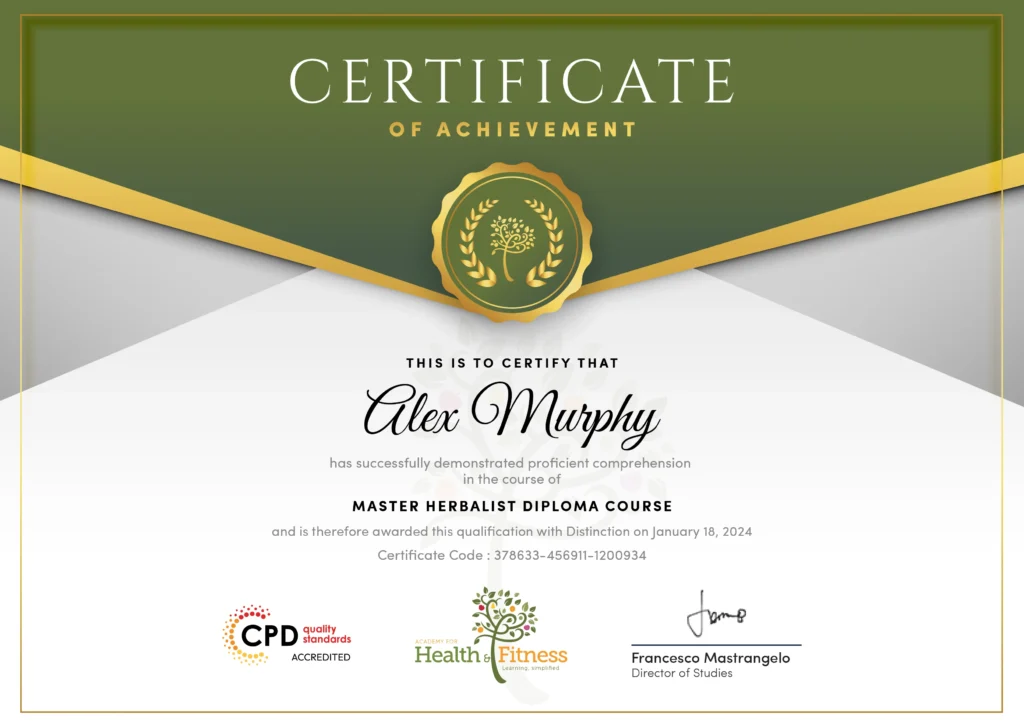
After successfully completing the course, you will qualify for a CPD Certificate as proof of your continued professional development and achievement. This certificate can enhance your professional profile and showcase your commitment to building relevant skills and knowledge. You can receive your digital certificate for only £10, or request a printed hard copy sent by post for just £29 or both for £39.
For assessing your learning, you have to complete an automated MCQ exam. It is required for the students to score at least 60% to pass the exam. Learners can apply for the certificate after they clear the exam.
There are assignment questions provided at the end of the course. You are suggested to complete the questions to enrich your understanding of the course. You can complete this according to your preferred time. The expert tutor will provide feedback on your performance after assessing your assignment.
There are no prerequisites, and you may use any internet-enabled device to study at your own speed, it is adaptable and available to students of all skill levels.
Manual handling competence is a fundamental requirement across many UK industries, particularly where physical tasks are routine. This training enhances workplace safety awareness and supports employability in operational, logistics, care, and facilities roles.
Warehouse Operative
Handles loading, unloading, and movement of goods using safe lifting techniques. Applies manual handling principles to reduce injury risks in busy environments. Average salary £22,000–£30,000.
Care Assistant
Supports individuals with movement and daily activities using safe handling methods. Reduces risk of injury to both carers and service users.
Average salary £22,000–£28,000.
Construction Operative
Performs physical tasks involving lifting and moving materials safely on site. Applies manual handling awareness to reduce accidents and strain injuries.
Average salary £25,000–£35,000.
Delivery Driver
Handles parcels and goods safely during collection and delivery operations. Uses correct lifting techniques to prevent musculoskeletal injuries.
Average salary £24,000–£32,000.
Retail Stock Assistant
Manages stock movement in storerooms and shop floors using safe techniques. Supports workplace safety and efficient stock handling operations.
Average salary £22,000–£28,000.
Facilities Assistant
Performs equipment movement, setup, and general physical tasks safely. Applies manual handling principles to maintain a safe workplace environment.
Average salary £23,000–£30,000.
Manufacturing Operative
Handles raw materials and finished products in production environments safely. Reduces downtime and injuries through proper manual handling practices.
Average salary £24,000–£33,000.
Porter (Healthcare or Hospitality)
Moves equipment, supplies, and sometimes patients using safe techniques. Supports smooth operations while maintaining high safety standards.
Average salary £22,000–£29,000.
Removal Operative
Lifts and transports furniture and equipment using structured handling methods. Ensures safety for team members and customer property during moves.
Average salary £23,000–£32,000.
Site Support Operative
Assists with material handling and equipment movement on industrial sites. Applies risk assessments and safe techniques to prevent workplace injuries.
Average salary £24,000–£34,000.
Manual handling training teaches safe techniques for lifting, carrying, pushing and pulling loads. It helps prevent injuries and ensures compliance with UK health and safety regulations.
Manual handling is a leading cause of workplace injuries, particularly back problems. Training reduces risks, supports legal compliance and promotes a safer working environment.
LITE stands for Load, Individual, Task and Environment. It is a structured method used to assess and manage risks associated with manual handling activities.
Common injuries include back strain, muscle sprains, hernias and long-term musculoskeletal disorders. Proper techniques significantly reduce these risks.
Anyone involved in lifting or moving objects at work should complete this training. It is especially important in sectors such as healthcare, construction, logistics and retail.
The Manual Handling Operations Regulations 1992 require employers to avoid hazardous manual handling where possible and provide appropriate training and risk assessments.
Yes, the course covers correct posture, lifting methods and safe ways to push and pull loads. These techniques help minimise strain and prevent injury.
Yes, by preventing common injuries such as back pain, organisations can reduce sickness absence and improve productivity.
Yes, office workers may still handle equipment, files and furniture. The training promotes safe practices for occasional lifting and moving tasks.
Refresher training is recommended periodically or when job roles, equipment or workplace conditions change. This ensures continued safety and compliance.
The PRINCE2 Foundation & Practitioner Course is our best selling PRINCE2 course. In only 20 hours you will be a certified PRINCE2 Practitioner allowing you to run a PRINCE2 project as the Project Manager. You will cover the entire PRINCE2 syllabi on the course and take the PRINCE2 Foundation and PRINCE2 Practitioner Level exams. Our FAQs below give further details on learning outcomes from the course.
Our PRINCE2 course is always in high demand. There is a huge demand for PRINCE2 Project Managers in the UK across banking, media, construction and the public sectors.
The PRINCE2 Foundation qualification is intended for project managers and aspiring project managers. It is also relevant to key staff involved in the design, development and delivery of projects. This includes project board members, team managers, project assurance, project support and operational line managers.
The PRINCE2 Practitioner examination will test whether you can apply and understand the PRINCE2 project management method to a real-life project scenario.
The PRINCE2 Foundation qualification is a prerequisite for the PRINCE2 Practitioner exam, which assesses the ability to apply an understanding of the PRINCE2 project management method in context.
This PRINCE2® Foundation and Practitioner – Official Exam & Study Materials Included course will assist you to manage a project through introducing the controllable use of resources and help in gaining the ability to manage business and project risk more effectively.
The course also focuses on the following:
Directing a Project
| Introduction | |||
| Introduction | 00:00:47 | ||
| 1. YOUR BACK DURING MANUAL HANDLING | |||
| 1.1 Understanding the Structure of the Spine | 00:01:00 | ||
| 1.2 How Manual Handling Affects the Back | 00:01:00 | ||
| 1.3 Common Back Injuries Caused by Poor Handling | 00:01:00 | ||
| 1.4 Warning Signs of Back Strain and Injury | 00:01:00 | ||
| Module 01: Assessment | |||
| Quiz 1-Manual Handling Training | 00:00:00 | ||
| 2. DAILY TASKS | |||
| 2.1 Identifying Manual Handling in Everyday Roles | 00:01:00 | ||
| 2.2 Hazards in Routine Movements and Lifting | 00:01:00 | ||
| 2.3 How Bad Habits Form During Repetitive Tasks | 00:00:54 | ||
| 2.4 Best Practices for Safe Daily Handling Activities | 00:00:52 | ||
| Module 02: Assessment | |||
| Quiz 2-Manual Handling Training | 00:00:00 | ||
| 3. LITE ASSESSMENT | |||
| 3.1 Introduction to LITE: Load, Individual, Task, Environment | 00:01:00 | ||
| 3.2 Assessing the Load: Weight, Shape, Stability | 00:01:00 | ||
| 3.3 Considering the Individual: Capabilities and Limitations | 00:01:00 | ||
| 3.4 Evaluating the Task and Environment Factors | 00:01:00 | ||
| Module 03: Assessment | |||
| Quiz 3-Manual Handling Training | 00:00:00 | ||
| 4. TECHNIQUES | |||
| 4.1 Planning the Lift: Stop and Think Approach | 00:00:54 | ||
| 4.2 Correct Posture: Feet, Knees, and Back Alignment | 00:00:56 | ||
| 4.3 Safe Lifting, Lowering, and Carrying Techniques | 00:00:51 | ||
| 4.4 Using Mechanical Aids and Team Lifts Properly | 00:00:45 | ||
| Module 04: Assessment | |||
| Quiz 4-Manual Handling Training | 00:00:00 | ||
| Conclusion | |||
| Conclusion | 00:00:42 | ||
| Module 05: Assessment | |||
| Final Quiz-Manual Handling Training | 00:00:00 | ||
| Introduction | |||
| Introduction | 00:00:47 | ||
| 1. YOUR BACK DURING MANUAL HANDLING | |||
| 1.1 Understanding the Structure of the Spine | 00:01:00 | ||
| 1.2 How Manual Handling Affects the Back | 00:01:00 | ||
| 1.3 Common Back Injuries Caused by Poor Handling | 00:01:00 | ||
| 1.4 Warning Signs of Back Strain and Injury | 00:01:00 | ||
| Module 01: Assessment | |||
| Quiz 1-Manual Handling Training | 00:00:00 | ||
| 2. DAILY TASKS | |||
| 2.1 Identifying Manual Handling in Everyday Roles | 00:01:00 | ||
| 2.2 Hazards in Routine Movements and Lifting | 00:01:00 | ||
| 2.3 How Bad Habits Form During Repetitive Tasks | 00:00:54 | ||
| 2.4 Best Practices for Safe Daily Handling Activities | 00:00:52 | ||
| Module 02: Assessment | |||
| Quiz 2-Manual Handling Training | 00:00:00 | ||
| 3. LITE ASSESSMENT | |||
| 3.1 Introduction to LITE: Load, Individual, Task, Environment | 00:01:00 | ||
| 3.2 Assessing the Load: Weight, Shape, Stability | 00:01:00 | ||
| 3.3 Considering the Individual: Capabilities and Limitations | 00:01:00 | ||
| 3.4 Evaluating the Task and Environment Factors | 00:01:00 | ||
| Module 03: Assessment | |||
| Quiz 3-Manual Handling Training | 00:00:00 | ||
| 4. TECHNIQUES | |||
| 4.1 Planning the Lift: Stop and Think Approach | 00:00:54 | ||
| 4.2 Correct Posture: Feet, Knees, and Back Alignment | 00:00:56 | ||
| 4.3 Safe Lifting, Lowering, and Carrying Techniques | 00:00:51 | ||
| 4.4 Using Mechanical Aids and Team Lifts Properly | 00:00:45 | ||
| Module 04: Assessment | |||
| Quiz 4-Manual Handling Training | 00:00:00 | ||
| Conclusion | |||
| Conclusion | 00:00:42 | ||
| Module 05: Assessment | |||
| Final Quiz-Manual Handling Training | 00:00:00 | ||