Invisible workplace hazards often go unnoticed until health issues emerge. Enrol now to strengthen industrial hygiene awareness before chemical, biological, or physical risks compromise employee wellbeing, compliance, and organisational safety standards.
4.5
(6 Reviews)
145 Students
Exclusive Deal! 94% Off, Today Only!
Sale Ends In
Occupational health data indicates that a substantial proportion of workplace-related illnesses are caused by prolonged exposure to hazardous substances, poor air quality, excessive noise, and ergonomic stressors. In the UK, industries such as manufacturing, construction, laboratories, and healthcare environments face ongoing challenges in identifying and controlling these risks. Without a structured industrial hygiene approach, organisations may encounter increased absenteeism, reduced productivity, and potential regulatory enforcement.
This Introduction to Industrial Hygiene course provides a comprehensive foundation in recognising, evaluating, and controlling workplace hazards. You will explore chemical and biological risks, indoor air quality concerns, physical stressors such as noise and heat, and ergonomic factors affecting employee wellbeing. The course also introduces hazard anticipation techniques and programme management strategies that support compliance with occupational health and safety standards.
By completing this course, you strengthen your ability to protect workforce health and support safer working environments. Enhance your industrial hygiene awareness now before unseen hazards lead to preventable health risks and compliance challenges.
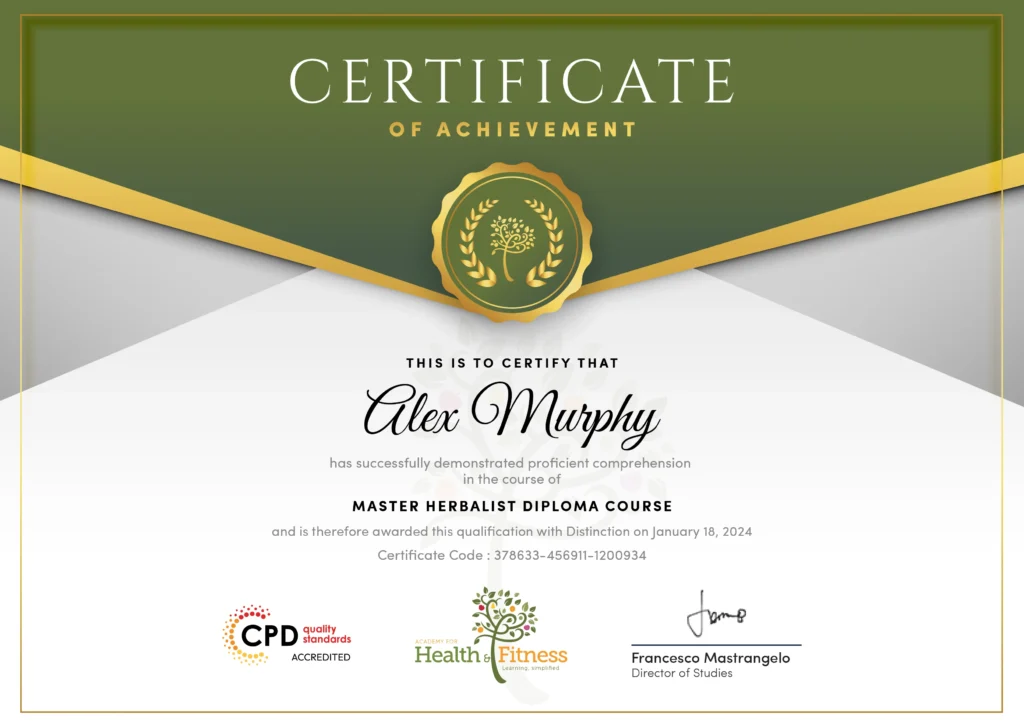
After successfully completing the course, you will qualify for a CPD Certificate as proof of your continued professional development and achievement. This certificate can enhance your professional profile and showcase your commitment to building relevant skills and knowledge. You can receive your digital certificate for only £10, or request a printed hard copy sent by post for just £29 or both for £39.
For assessing your learning, you have to complete an automated MCQ exam. It is required for the students to score at least 60% to pass the exam. Learners can apply for the certificate after they clear the exam.
There are assignment questions provided at the end of the course. You are suggested to complete the questions to enrich your understanding of the course. You can complete this according to your preferred time. The expert tutor will provide feedback on your performance after assessing your assignment.
There are no prerequisites, and you may use any internet-enabled device to study at your own speed, it is adaptable and available to students of all skill levels.
Industrial hygiene knowledge is increasingly valued across UK industries where workplace health risks must be carefully managed. Professionals with this expertise help organisations maintain compliance, protect employee wellbeing, and improve operational safety.
Industrial Hygiene Technician
Monitors workplace environments for chemical, biological, and physical hazards. Supports exposure assessments and implements control measures to protect worker health. Average salary £28,000–£40,000.
Health and Safety Officer
Ensures compliance with occupational health regulations and workplace safety standards. Conducts risk assessments and promotes safe working practices across departments. Average salary £32,000–£45,000.
Environmental Health Officer
Evaluates environmental and workplace health risks within industrial and public settings. Implements strategies to control exposure to harmful substances and conditions. Average salary £35,000–£50,000.
Occupational Health Technician
Assists in monitoring employee health in relation to workplace exposures. Supports health surveillance programmes and workplace hazard evaluations. Average salary £26,000–£38,000.
Safety and Compliance Coordinator
Manages documentation, inspections, and compliance with health and safety regulations. Supports implementation of industrial hygiene and risk management programmes. Average salary £30,000–£42,000.
Laboratory Safety Officer
Ensures safe handling of chemicals, biological agents, and laboratory equipment. Maintains air quality standards and safe laboratory working conditions. Average salary £33,000–£48,000.
Facilities Health and Safety Manager
Oversees workplace environmental conditions, ventilation systems, and safety procedures. Implements ergonomic and hazard control strategies across facilities. Average salary £40,000–£60,000.
Risk Assessment Specialist
Identifies workplace hazards and recommends effective control and mitigation measures. Supports organisations in maintaining safe and compliant operational environments. Average salary £38,000–£55,000.
Ergonomics Advisor
Evaluates workstation design and work practices to reduce injury risks. Promotes employee wellbeing through ergonomic improvements and training. Average salary £35,000–£52,000.
Occupational Health and Safety Consultant
Provides expert advice on workplace hazard control and regulatory compliance. Supports organisations in developing effective industrial hygiene programmes. Average salary £45,000–£70,000.
Industrial hygiene focuses on identifying, evaluating and controlling workplace hazards that may affect health. It plays a critical role in preventing occupational illnesses and ensuring safe working environments.
The course addresses chemical, biological, physical and ergonomic hazards commonly found in workplaces. Understanding these risks helps organisations implement effective control measures.
By monitoring exposures and applying preventive strategies, industrial hygiene reduces the risk of illness and injury. It supports long-term employee wellbeing and organisational productivity.
Toxicology helps assess how chemical substances affect human health. This knowledge supports safe handling practices and exposure control in the workplace.
Poor air quality can lead to respiratory issues, fatigue and reduced productivity. Monitoring and improving air quality supports healthier and safer work environments.
Exposure to noise, vibration, heat and radiation can cause both immediate and long-term health effects. Proper assessment and control measures reduce these risks significantly.
Ergonomics focuses on designing work environments that reduce strain and injury. It is a key component of industrial hygiene in preventing musculoskeletal disorders.
Employers are responsible for providing safe working conditions, while health and safety professionals implement and monitor hygiene programmes. Employees also play a role by following safety procedures.
Yes, the course is designed to provide foundational knowledge in an accessible manner. It is suitable for supervisors, managers and staff involved in workplace safety.
It strengthens understanding of occupational health responsibilities and best practices aligned with UK safety standards. This helps organisations reduce risks and meet legal obligations.
| Introduction | |||
| Introduction | 00:01:00 | ||
| 1. Foundations of Industrial Hygiene | |||
| 1. Foundations of Industrial Hygiene | 00:03:00 | ||
| 2. Anticipating and Recognizing Hazards | |||
| 2. Anticipating and Recognizing Hazards | 00:04:00 | ||
| 3. Chemical Hazards and Toxicology | |||
| 3. Chemical Hazards and Toxicology | 00:04:00 | ||
| 4. Biological Hazards and Indoor Air Quality | |||
| 4. Biological Hazards and Indoor Air Quality | 00:04:00 | ||
| 5. Physical Hazards and Environmental Stressors | |||
| 5. Physical Hazards and Environmental Stressors | 00:04:00 | ||
| 6. Ergonomics and Program Management | |||
| 6. Ergonomics and Program Management | 00:03:00 | ||
| Conclusion | |||
| Conclusion | 00:01:00 | ||
| Introduction | |||
| Introduction | 00:01:00 | ||
| 1. Foundations of Industrial Hygiene | |||
| 1. Foundations of Industrial Hygiene | 00:03:00 | ||
| 2. Anticipating and Recognizing Hazards | |||
| 2. Anticipating and Recognizing Hazards | 00:04:00 | ||
| 3. Chemical Hazards and Toxicology | |||
| 3. Chemical Hazards and Toxicology | 00:04:00 | ||
| 4. Biological Hazards and Indoor Air Quality | |||
| 4. Biological Hazards and Indoor Air Quality | 00:04:00 | ||
| 5. Physical Hazards and Environmental Stressors | |||
| 5. Physical Hazards and Environmental Stressors | 00:04:00 | ||
| 6. Ergonomics and Program Management | |||
| 6. Ergonomics and Program Management | 00:03:00 | ||
| Conclusion | |||
| Conclusion | 00:01:00 | ||