Poor nutrition and hydration remain significant concerns across UK care environments, often impacting recovery and wellbeing. Enrol now to strengthen safe nutrition awareness before oversight compromises health, dignity, and quality of care.
4.5
(6 Reviews)
155 Students
Exclusive Deal! 94% Off, Today Only!
Sale Ends In
Malnutrition affects an estimated three million people in the UK, with many cases identified within healthcare and social care settings. Inadequate nutrition and hydration can delay recovery, weaken immunity, and impact overall wellbeing. Care professionals carry significant responsibility in recognising dietary risks, maintaining food safety standards, and supporting safe nutritional practices within regulated environments.
This Level 2 Nutrition Diploma develops essential understanding of nutrition, hydration, and food safety within care settings. You will explore fundamental dietary principles, contamination control measures, and structured approaches to promoting safe nutrition practices. The course examines the relationship between nutrition and health outcomes while reinforcing compliance with hygiene and safety expectations in care environments.
By completing this programme, you strengthen your awareness of safe nutrition management within professional settings. Enhance your understanding now before overlooked dietary risks affect service users’ health, safety, and dignity within care provision.
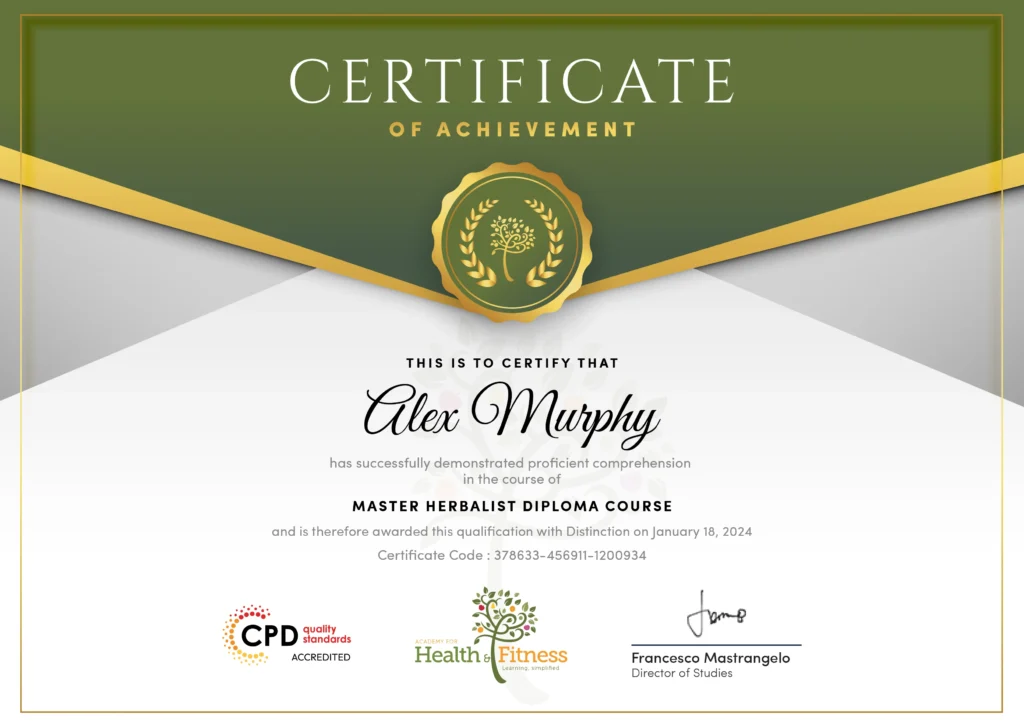
After successfully completing the course, you will qualify for a CPD Certificate as proof of your continued professional development and achievement. This certificate can enhance your professional profile and showcase your commitment to building relevant skills and knowledge. You can receive your digital certificate for only £10, or request a printed hard copy sent by post for just £29 or both for £39.
For assessing your learning, you have to complete an automated MCQ exam. It is required for the students to score at least 60% to pass the exam. Learners can apply for the certificate after they clear the exam.
There are assignment questions provided at the end of the course. You are suggested to complete the questions to enrich your understanding of the course. You can complete this according to your preferred time. The expert tutor will provide feedback on your performance after assessing your assignment.
There are no prerequisites, and you may use any internet-enabled device to study at your own speed, it is adaptable and available to students of all skill levels.
Nutrition awareness is increasingly important across UK healthcare, residential, and community care environments. Employers value professionals who understand safe food handling, hydration monitoring, and nutritional risk management within regulated settings.
Healthcare Assistant
Supports service users with daily care needs, including nutrition and hydration monitoring. Applies safe food handling awareness within regulated care environments. Average salary £22,000–£30,000.
Care Assistant
Provides personal care and supports dietary needs of vulnerable individuals. Promotes safe nutrition practices aligned with care standards. Average salary £21,000–£28,000.
Residential Care Worker
Supports nutritional wellbeing of residents within care home settings. Applies contamination control and hydration awareness principles. Average salary £22,000–£30,000.
Community Support Worker
Assists individuals living independently with nutritional and wellbeing support. Applies safe food preparation awareness in home environments. Average salary £23,000–£33,000.
Catering Assistant (Care Sector)
Prepares meals within healthcare and residential facilities following hygiene standards. Implements contamination control procedures to protect vulnerable individuals. Average salary £20,000–£27,000.
Support Worker (Learning Disabilities)
Supports individuals with structured dietary and hydration needs. Applies safe nutrition awareness to enhance wellbeing outcomes. Average salary £22,000–£31,000.
Wellbeing Support Practitioner
Promotes overall health including safe nutrition and hydration practices. Supports care teams in maintaining compliance with food safety standards. Average salary £24,000–£35,000.
Home Care Assistant
Provides in-home care including meal support and hydration monitoring. Applies safe handling and contamination awareness in domestic settings. Average salary £21,000–£29,000.
Healthcare Support Practitioner
Works within multidisciplinary teams supporting nutritional care plans. Ensures adherence to hygiene and dietary safety procedures. Average salary £24,000–£34,000.
Care Home Activities Coordinator
Supports residents’ wellbeing including awareness of nutritional needs. Promotes safe and balanced dietary engagement within care settings. Average salary £22,000–£30,000.
This course provides foundational knowledge of nutrition, hydration and food safety within care environments. It supports professionals in recognising dietary risks and promoting safe nutritional practices.
Poor nutrition can significantly affect recovery, immunity and overall wellbeing. Structured awareness helps prevent malnutrition and supports safe, dignified care delivery.
The course explores essentials of nutrition, hydration requirements, contamination control and food safety procedures. It aligns with hygiene and regulatory expectations in UK care settings.
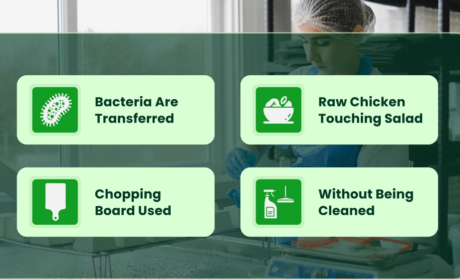
Food contamination can place vulnerable individuals at serious risk. Understanding hygiene standards and safe handling practices helps reduce preventable harm.
Care assistants, healthcare workers, catering staff and support practitioners benefit most. It supports professional responsibility within regulated care environments.
Yes, it reinforces principles consistent with UK hygiene and safety expectations. Awareness supports compliance within healthcare and social care services.
Proper hydration supports cognitive function, circulation and recovery. Monitoring intake reduces risks associated with dehydration in vulnerable individuals.
Nutrition awareness enhances professional credibility within healthcare and residential care settings. Employers value staff with structured safety knowledge.
No, the course is suitable for beginners and existing care professionals. It provides clear and structured foundational understanding.
No, it provides awareness-based knowledge rather than clinical nutritional certification. Specialist dietary advice must be delivered by qualified professionals.
| Introduction | |||
| Introduction | 00:00:57 | ||
| 1. Essentials of Nutrition and Hydration in Care | |||
| 1.1. Essentials of Nutrition and Hydration in Care | 00:00:40 | ||
| 1.1.1. Nutritional Needs Across Life Stages | 00:00:44 | ||
| 1.1.2. Hydration: Functions, Signs of Dehydration, and Interventions | 00:00:48 | ||
| 1.1.3. Balanced Diets and the Eatwell Guide | 00:00:45 | ||
| 1.1.4. Supporting Individuals with Special Dietary Requirements | 00:00:44 | ||
| 1.1.5. Monitoring Intake and Recording Consumption | 00:00:52 | ||
| Module 01: Assessment | |||
| Quiz 1 -Nutrition Diploma Level 2 | 00:00:00 | ||
| 2. Food Safety and Contamination Control | |||
| 2.1. Food Safety and Contamination Control | 00:00:37 | ||
| 2.1.1. Food Storage and Temperature Guidelines | 00:00:45 | ||
| 2.1.2. Cross-Contamination and Prevention Techniques | 00:00:37 | ||
| 2.1.3. Cleaning, Sanitising, and Disinfection | 00:00:45 | ||
| 2.1.4. Recognising Food Spoilage and Expiry Indicators | 00:00:40 | ||
| 2.1.5. Overview of Legal Requirements and Responsibilities | 00:00:56 | ||
| Module 02: Assessment | |||
| Quiz 2 -Nutrition Diploma Level 2 | 00:00:00 | ||
| 3. Promoting Safe Nutrition in Care Settings | |||
| 3.1. Promoting Safe Nutrition in Care Settings | 00:00:38 | ||
| 3.1.1. Identifying and Managing Food Allergies | 00:00:44 | ||
| 3.1.2. Supporting Individuals with Eating Difficulties | 00:00:44 | ||
| 3.1.3. Role of Care Plans in Nutritional Support | 00:00:43 | ||
| 3.1.4. Cultural and Religious Dietary Considerations | 00:00:43 | ||
| 3.1.5. Effective Communication in Promoting Healthy Eating | 00:00:57 | ||
| Module 03: Assessment | |||
| Quiz 3 -Nutrition Diploma Level 2 | 00:00:00 | ||
| Conclusion | |||
| 4.1. Conclusion | 00:00:43 | ||
| Module 04: Assessment | |||
| Final Quiz -Nutrition Diploma Level 2 | 00:00:00 | ||
| Introduction | |||
| Introduction | 00:00:57 | ||
| 1. Essentials of Nutrition and Hydration in Care | |||
| 1.1. Essentials of Nutrition and Hydration in Care | 00:00:40 | ||
| 1.1.1. Nutritional Needs Across Life Stages | 00:00:44 | ||
| 1.1.2. Hydration: Functions, Signs of Dehydration, and Interventions | 00:00:48 | ||
| 1.1.3. Balanced Diets and the Eatwell Guide | 00:00:45 | ||
| 1.1.4. Supporting Individuals with Special Dietary Requirements | 00:00:44 | ||
| 1.1.5. Monitoring Intake and Recording Consumption | 00:00:52 | ||
| Module 01: Assessment | |||
| Quiz 1 -Nutrition Diploma Level 2 | 00:00:00 | ||
| 2. Food Safety and Contamination Control | |||
| 2.1. Food Safety and Contamination Control | 00:00:37 | ||
| 2.1.1. Food Storage and Temperature Guidelines | 00:00:45 | ||
| 2.1.2. Cross-Contamination and Prevention Techniques | 00:00:37 | ||
| 2.1.3. Cleaning, Sanitising, and Disinfection | 00:00:45 | ||
| 2.1.4. Recognising Food Spoilage and Expiry Indicators | 00:00:40 | ||
| 2.1.5. Overview of Legal Requirements and Responsibilities | 00:00:56 | ||
| Module 02: Assessment | |||
| Quiz 2 -Nutrition Diploma Level 2 | 00:00:00 | ||
| 3. Promoting Safe Nutrition in Care Settings | |||
| 3.1. Promoting Safe Nutrition in Care Settings | 00:00:38 | ||
| 3.1.1. Identifying and Managing Food Allergies | 00:00:44 | ||
| 3.1.2. Supporting Individuals with Eating Difficulties | 00:00:44 | ||
| 3.1.3. Role of Care Plans in Nutritional Support | 00:00:43 | ||
| 3.1.4. Cultural and Religious Dietary Considerations | 00:00:43 | ||
| 3.1.5. Effective Communication in Promoting Healthy Eating | 00:00:57 | ||
| Module 03: Assessment | |||
| Quiz 3 -Nutrition Diploma Level 2 | 00:00:00 | ||
| Conclusion | |||
| 4.1. Conclusion | 00:00:43 | ||
| Module 04: Assessment | |||
| Final Quiz -Nutrition Diploma Level 2 | 00:00:00 | ||