
Electronic and Electrical Devices Maintenance - Level 3
Gaps in understanding electronic and electrical systems often remain unnoticed. Our course builds awareness of components and fault identification frameworks. Enrol today to avoid knowledge gaps and strengthen technical understanding.
0
(0 Reviews) 61 Students


Electronic and Electrical Devices Maintenance - Level 3
Exclusive Deal! 94% Off, Today Only!
Sale Ends In

 TAKE All courses for
£99
TAKE All courses for
£99 


This course includes:
-
 Access1 Year Access
 -
 Skill Level
 -
 Duration4 hours, 22 minutes
 -
 Students61 Students
- Original price was: £425.£25Current price is: £25. ex VAT
- 1 year
- Level 3
- Number of Units56
- Number of Quizzes0
- 4 hours, 22 minutes Gift this course
 14-Day Money-Back Guarantee
Course Overview
In the UK, electrical and electronic faults account for a significant proportion of safety incidents and equipment failures reported across regulated environments, with testing and maintenance gaps frequently identified as underlying factors. As systems become more integrated, a limited understanding of components, testing methods, and fault patterns increases the risk of non-compliance and system instability.
The Electronic and Electrical Devices Maintenance – Level 3 course provides structured learning focused on electronic and electrical system understanding. You will explore core concepts, including device maintenance principles, component identification, tools awareness, testing approaches, and fault analysis. The course also introduces systematic troubleshooting and step-by-step understanding of electronic components, supporting accurate interpretation of system behaviour.
By completing this course, you strengthen the foundational technical knowledge required to understand electronic and electrical devices responsibly. Begin your training today to reduce knowledge gaps, improve system awareness, and support informed decision-making aligned with UK technical and safety expectations.
Learning Outcomes
- Apply structured approaches to identify faults within electronic devices
- Identify electronic components and their functions within electrical devices
- Interpret troubleshooting processes for electronic and electrical system issues
- Understand component behaviour through guided electronic system analysis
- Recognise appropriate tools used for electronic and electrical maintenance tasks
- Develop awareness of maintenance standards for electronic and electrical devices
- Understand the testing principles used to assess electronic and electrical systems
Why People Love and Enrol in this Training?
- CPD Accredited Course
- Unlimited access for 12 months – learn at your own pace ️
- Earn instant certificate upon course completion
- Get a free student ID card to showcase
- Flexible study – no deadlines
- Transparent pricing – no hidden fees
- Dedicated tutor support on weekdays
- Fast assessments & instant results
Who is this Course For?
- Technology skills developers
- Engineering study for beginners
- Systems maintenance candidates
- Aspiring electronics technicians
- Electrical maintenance learners
- Technical support professionals
Certificate of Achievement

CPD Certification
After completing the MCQ assessment, you will qualify for the CPD Certificate from HF Online as proof of your continued professional development. You can order your certificate at a cost of £10 for PDF and £29 for hard copy certificate or both for £39.
Assessment
For assessing your learning, you have to complete an automated MCQ exam. It is required for the students to score at least 60% to pass the exam. Learners can apply for the certificate after they clear the exam.
There are assignment questions provided at the end of the course. You are suggested to complete the questions to enrich your understanding of the course. You can complete this according to your preferred time. The expert tutor will provide feedback on your performance after assessing your assignment.
Prerequisites
There are no prerequisites and you may use any internet-enabled device to study at your own speed, it is adaptable and available to students of all skill levels.
Job Opportunities
Completing the Electronic and Electrical Devices Maintenance – Level 3 course strengthens technical understanding, system awareness, and fault analysis knowledge. These competencies are valued across electronics, engineering, and technical support functions within the UK.
- Electronics Maintenance Technician
Maintains and analyses electronic systems and components. Supports system reliability through structured maintenance understanding. Average salary £26,000 to £40,000. - Electrical Maintenance Assistant
Supports electrical system monitoring and maintenance processes. Assists with system checks and documentation awareness. Average salary £24,000 to £35,000. - Technical Support Technician
Provides system analysis support and fault interpretation guidance. Assists with electronic device performance monitoring. Average salary £27,000 to £42,000. - Electronics Test Technician
Focuses on testing processes and system evaluation. Supports quality assurance and compliance requirements. Average salary £28,000 to £45,000. - Systems Maintenance Coordinator
Oversees maintenance documentation and system review processes. Supports consistency in technical standards. Average salary £30,000 to £48,000. - Junior Electrical Technician
Assists with electrical system analysis and component understanding. Supports structured technical tasks. Average salary £25,000 to £37,000. - Engineering Support Officer
Supports engineering teams through system documentation and analysis. Assists with technical reporting. Average salary £29,000 to £44,000. - Electronics Quality Assistant
Monitors component standards and system consistency. Supports quality compliance processes. Average salary £26,000 to £39,000. - Maintenance Documentation Officer
Maintains technical records and system documentation. Supports audit and compliance processes. Average salary £24,000 to £36,000. - Technical Operations Assistant
Supports electronic and electrical system coordination. Assists with structured technical workflows. Average salary £27,000 to £41,000.
Course Curriculum
| Electronic & Electrical Devices Maintenance & Troubleshooting | |||
| Section 1: Introduction & Getting Started | |||
| Unit 1: Introduction | 00:02:00 | ||
| Unit 2: Instructor’s Introduction | 00:03:00 | ||
| Section 2: Electronic and Electrical maintenance Repair | |||
| Unit 1: Becoming a Troubleshooter | 00:02:00 | ||
| Section 3: Tools Needed | |||
| Unit 1: Tools Needed | 00:01:00 | ||
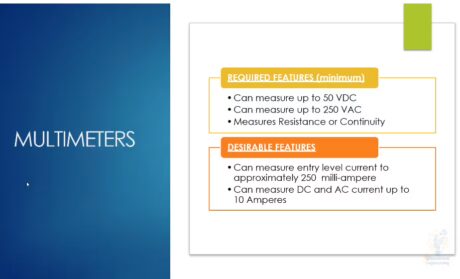
| Unit 2: Multimeters | 00:07:00 | ||
| Unit 3: Wire Cutter and Stripper | 00:03:00 | ||
| Unit 4: Wiring Tools Soldering Iron | 00:02:00 | ||
| Unit 5: Screw Drivers | 00:03:00 | ||
| Unit 6: Pliers | 00:02:00 | ||
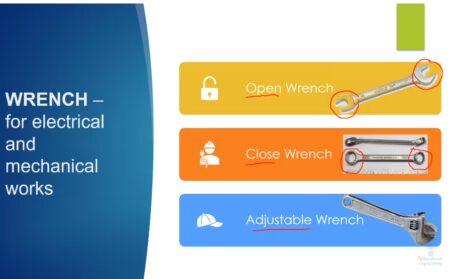
| Unit 7: Wrench | 00:02:00 | ||
| Unit 8: Oscilloscope and Function Generator | 00:03:00 | ||
| Section 4: Electronic Components | |||
| Unit 1: Passive Electronic Components | 00:03:00 | ||
| Unit 2: Active Electronic Component Diode | 00:03:00 | ||
| Unit 3: Active Electronic Component Transistor | 00:03:00 | ||
| Unit 4: Common Electronic and Electrical Components | 00:05:00 | ||
| Section 5: Testing | |||
| Unit 1: Testing a Fuse | 00:03:00 | ||
| Unit 2: Testing a Bulb or Lamp | 00:02:00 | ||
| Unit 3: Testing a Switch | 00:01:00 | ||
| Unit 4: Testing a Transformer | 00:04:00 | ||
| Unit 5: Testing a Resistance | 00:08:00 | ||
| Section 6: Troubleshooting | |||
| Unit 1: Safety Concerns | 00:05:00 | ||
| Unit 2: Main Concerns – Maintenance | 00:02:00 | ||
| Unit 3: Main Concerns – Servicing | 00:02:00 | ||
| Unit 4: Troubleshooting Part – 1 | 00:03:00 | ||
| Unit 5: Troubleshooting Part – 2 | 00:04:00 | ||
| Section 7: Introduction to Electronic Components: A Step by Step Guide | |||
| Unit 1: Introduction | 00:05:00 | ||
| Unit 2: Voltage Current and Resistance | 00:06:00 | ||
| Unit 3: Types of Current | 00:03:00 | ||
| Unit 4: Types of Circuits | 00:02:00 | ||
| Unit 5: Practical: Introduction to Digital Multimeter DMM | 00:07:00 | ||
| Unit 6: Volt Ohm Meter Basics | 00:05:00 | ||
| Unit 7: Measuring Voltage | 00:13:00 | ||
| Unit 8: Practical: How to Measure DC Voltage | 00:03:00 | ||
| Unit 9: Measuring Current | 00:05:00 | ||
| Unit 10: Measuring Currents – Lab Experiment Explained | 00:11:00 | ||
| Unit 11: Practical 1: How to Measure Current | 00:04:00 | ||
| Unit 12: Practical 2: How to Measure Current | 00:01:00 | ||
| Unit 13: Measuring Resistance | 00:08:00 | ||
| Unit 14: Practical: How to Test Resistors | 00:05:00 | ||
| Unit 15: Circuit Diagram Basics and Basic Symbols | 00:12:00 | ||
| Unit 16: Introduction to Resistor and Color Band Coding | 00:09:00 | ||
| Unit 17: Power Dissipation + Parallel and Series Resistors | 00:12:00 | ||
| Unit 18: Ohm’s Law | 00:14:00 | ||
| Unit 19: Introduction to Capacitors | 00:11:00 | ||
| Unit 20: Capacitors Behavior + Capacitors in Series and Parallel | 00:07:00 | ||
| Unit 21: Practical 1: How to Test a Capacitor | 00:03:00 | ||
| Unit 22: Practical 2: How to Test A Capacitor | 00:02:00 | ||
| Unit 23: Introduction to Inductors | 00:07:00 | ||
| Unit 24: Practical: How to Test and Measure Coils | 00:06:00 | ||
| Unit 25: Introduction to Diode + Zener Diode and LED | 00:08:00 | ||
| Unit 26: Practical 1: How to Test a Diode | 00:02:00 | ||
| Unit 27: Practical 2: How to Test a Diode | 00:02:00 | ||
| Unit 29: Practical 1: How to Test a Transistor | 00:04:00 | ||
| Unit 30: Practical 2: How to Test a Transistor | 00:04:00 | ||
| Unit 31: Practical 3: How to Test a Transistor | 00:03:00 | ||
| Assignment | |||
| Assignment – Electronic & Electrical Devices Maintenance & Troubleshooting | 00:00:00 | ||