Level 4 Residential Childcare Worker is an online course for people who want to support vulnerable children with more confidence, emotional awareness, and safeguarding knowledge. It is ideal for learners who want a stronger understanding of child development, attachment, behaviour, and care practice before stepping further into residential childcare.
5
(4 Reviews)
57 Students
Exclusive Deal! 94% Off, Today Only!
Sale Ends In
CPD Point
The Level 4 Residential Childcare Worker is designed for learners who want to build deeper knowledge of child development, safeguarding, and support practices in residential care settings. In England, there were 81,770 children in care as at 31 March 2025, which shows the continuing importance of skilled, informed childcare support.
This online residential childcare course explores child psychology, attachment, separation and loss, social and emotional development, cognitive growth, and mental health challenges including autism, ADHD, and dyslexia. It also covers behaviour support, special educational needs, and protective care practices used in residential environments, helping learners build a clearer understanding of the real experiences of children in care.
Whether you are searching for a residential childcare course, child safeguarding training, child development course online, or residential care worker training UK, this programme offers a strong starting point. It can support progression towards roles such as Residential Childcare Worker, Youth Support Worker, Key Worker, Behaviour Support Worker, or Care Team Leader. The National Careers Service lists residential support worker salaries at £22,000 to £30,000 a year.
Enrol today and start building the specialist knowledge that can help you make a real difference in children’s lives.
The Level 4 Residential Childcare Worker course provides structured knowledge for learners who want to support children and young people in residential care environments.
This online childcare course helps learners understand how children’s behaviour, development, attachment, communication, and emotional needs can be shaped by trauma, loss, separation, and care experiences.
You will also explore safeguarding, neurodiversity, mental health challenges, behaviour support, and trauma-informed care approaches. These areas help learners respond with more patience, understanding, and professional responsibility.
This course is suitable for beginners, care staff, youth workers, residential childcare workers, career changers, and learners preparing for childcare and safeguarding roles.
Our Level 4 Residential Childcare Worker course builds clear, emotionally informed knowledge in child development, behaviour, safeguarding, and support needs for residential care settings.
By completing this course, learners will be able to:
This Level 4 Residential Childcare Worker course builds knowledge in child development, safeguarding, wellbeing, and residential care support for childcare and care roles.
Residential childcare requires patience, emotional awareness, safeguarding knowledge, and a clear understanding of how children’s experiences shape behaviour. This Level 4 Residential Childcare Worker course helps learners build that foundation.
As a flexible online residential childcare course, it explores the areas that matter in real care settings, including child psychology, attachment, loss, development, mental health, neurodiversity, safeguarding, and trauma-informed support.
This course can support progression towards roles such as residential childcare worker, senior residential support worker, child support worker, youth support worker, behaviour support assistant, or care team leader.
The Level 4 Residential Childcare Worker is ideal for learners seeking career-focused knowledge in residential childcare, youth work, safeguarding, and child support.
This course is especially suitable for:
You can enrol in the Level 4 Residential Childcare Worker course with no prior qualifications or experience required. This course is designed to be accessible for beginners as well as learners looking to build knowledge in childcare, safeguarding, and residential care support.
Start anytime and build valuable childcare, safeguarding, and residential care skills at your own pace.
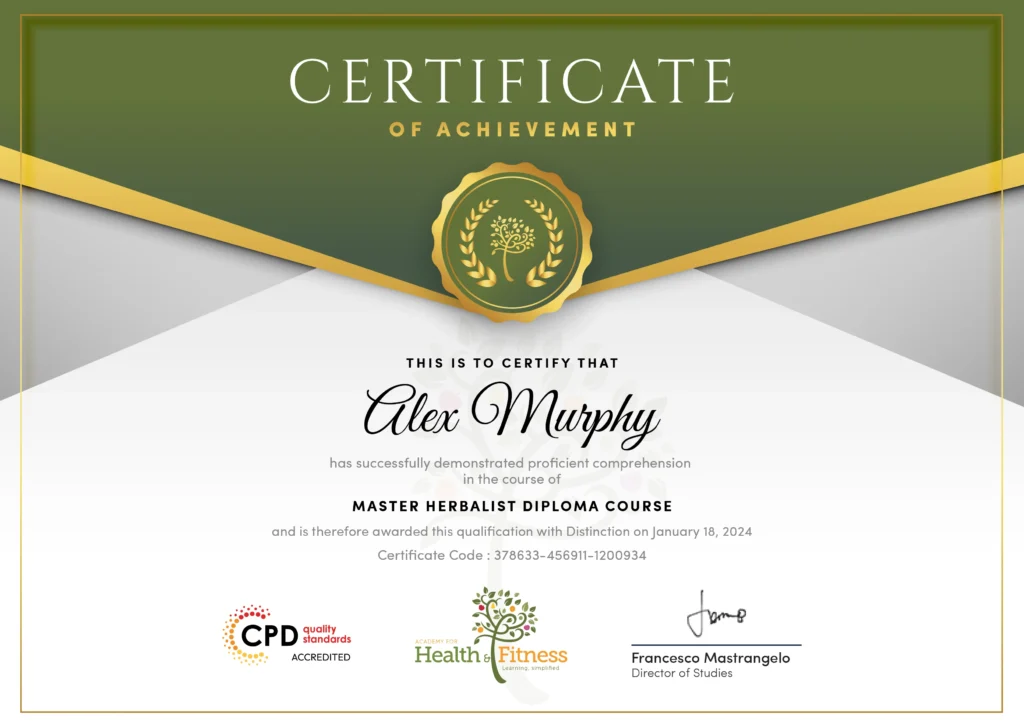
After successfully completing the course, you will qualify for a CPD Certificate as proof of your continued professional development and achievement. This certificate can enhance your professional profile and showcase your commitment to building relevant skills and knowledge. You can receive your digital certificate for only £10, or request a printed hard copy sent by post for just £29 or both for £39.
For assessing your learning, you have to complete an automated MCQ exam. It is required for the students to score at least 60% to pass the exam and fulfil the Quality Licence Scheme-endorsed certificate criteria. Learners can apply for the certificate after they clear the exam.
There are assignment questions provided at the end of the course. You are suggested to complete the questions to enrich your understanding of the course. You can complete this according to your preferred time. The expert tutor will provide feedback on your performance after assessing your assignment.
Completing the Level 4 Residential Childcare Worker course can support progression across childcare, youth support, residential care, safeguarding, and child protection environments.
Potential career paths include:
A residential childcare worker supports children living away from family homes by providing care, safety, emotional support, and developmental guidance. The role is built around stable relationships, structured support, and helping children feel safer and better understood in residential settings.
Child psychology helps workers understand behaviour shaped by trauma, attachment loss, emotional distress, and unmet needs. That matters because it reduces misinterpretation, improves day-to-day responses, and supports safer, more compassionate care for children who may struggle to express themselves clearly.
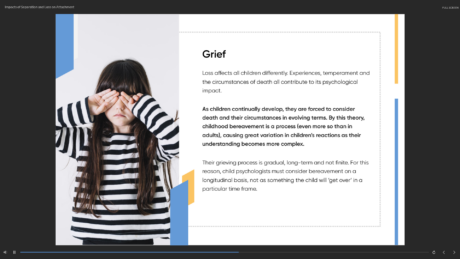
Separation and loss can disrupt attachment, emotional security, trust, and behaviour. Without strong support, children may struggle with relationships, emotional regulation, and stability, which is why residential childcare workers need a better understanding of grief, disruption, and developmental impact.
Children in residential care may experience anxiety, depression, trauma-related distress, and emotional regulation difficulties. Awareness of these challenges helps staff respond more appropriately, reduce harm caused by misunderstanding, and support stability, safety, and better everyday care experiences.
Attachment shapes how children relate to adults, handle emotions, and respond to care. In residential settings, consistent and emotionally aware support can help children build safer relationships, improve trust, and feel more secure in their daily environment.
Neurodivergent children may experience differences in communication, learning, behaviour, sensory processing, and emotional responses. Better understanding of autism, ADHD, and dyslexia helps childcare workers use more supportive, developmentally appropriate, and less reactive approaches in residential care.
Safeguarding is central because children in care are particularly vulnerable to harm, neglect, exploitation, and unsafe practice. Residential childcare workers need strong safeguarding awareness so children’s welfare, safety, and rights remain protected in everyday decisions and routines.
Language difficulties can lead to frustration, confusion, poor emotional expression, and behavioural challenges. When workers recognise how communication development affects behaviour, they can respond with more patience and better strategies instead of treating every difficulty as deliberate defiance.
The course highlights psychological awareness, safeguarding knowledge, emotional intelligence, and developmentally informed practice. In real settings, strong communication, consistency, empathy, observation, and structured support are also essential because children in residential care often need calm, reliable adults.
This course supports professional practice by building stronger insight into child development, attachment, neurodiversity, mental health, and safeguarding. That helps learners move beyond routine supervision and respond with more informed, emotionally aware, and responsible childcare practice.
| Module 01: Introduction to Child Psychology | |||
| Introduction to Child Psychology | 00:29:00 | ||
| Module 02: Impacts of Separation and Loss on Attachment | |||
| Impacts of Separation and Loss on Attachment | 00:26:00 | ||
| Module 03: Social and Emotional Development | |||
| Social and Emotional Development | 00:44:00 | ||
| Module 04: Mental Health Problems in Young and Adults | |||
| Mental Health Problems in Youth and Adults | 00:14:00 | ||
| Module 05: Personality and Intellectual Development of Children | |||
| Personality and Intellectual Development of Children | 00:37:00 | ||
| Module 06: Language Development in Children | |||
| Language Development in Children | 00:32:00 | ||
| Module 07: Cognitive Development | |||
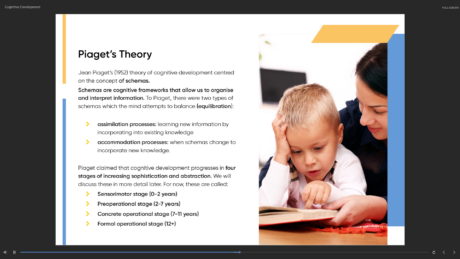
| Cognitive Development | 00:27:00 | ||
| Module 08: Autism, ADHD and Dyslexia in Young and Adults | |||
| Autism, ADHD and Dyslexia in Young and Adults | 00:26:00 | ||
| Module 09: Dealing With Autism, ADHD and Dyslexia in Young and Adults | |||
| Dealing With Autism, ADHD and Dyslexia in Young and Adults | 00:32:00 | ||
| Module 10: Children with Special Needs | |||
| Children with Special Needs | 00:17:00 | ||
| Module 11: Child Protection | |||
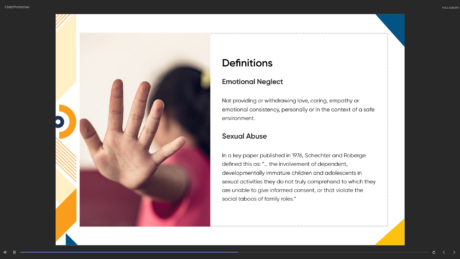
| Child Protection | 00:26:00 | ||
| Order Your Certificate | |||
| Order your Certificate | 00:00:00 | ||
| Module 01: Introduction to Child Psychology | |||
| Introduction to Child Psychology | 00:29:00 | ||
| Module 02: Impacts of Separation and Loss on Attachment | |||
| Impacts of Separation and Loss on Attachment | 00:26:00 | ||
| Module 03: Social and Emotional Development | |||
| Social and Emotional Development | 00:44:00 | ||
| Module 04: Mental Health Problems in Young and Adults | |||
| Mental Health Problems in Youth and Adults | 00:14:00 | ||
| Module 05: Personality and Intellectual Development of Children | |||
| Personality and Intellectual Development of Children | 00:37:00 | ||
| Module 06: Language Development in Children | |||
| Language Development in Children | 00:32:00 | ||
| Module 07: Cognitive Development | |||
| Cognitive Development | 00:27:00 | ||
| Module 08: Autism, ADHD and Dyslexia in Young and Adults | |||
| Autism, ADHD and Dyslexia in Young and Adults | 00:26:00 | ||
| Module 09: Dealing With Autism, ADHD and Dyslexia in Young and Adults | |||
| Dealing With Autism, ADHD and Dyslexia in Young and Adults | 00:32:00 | ||
| Module 10: Children with Special Needs | |||
| Children with Special Needs | 00:17:00 | ||
| Module 11: Child Protection | |||
| Child Protection | 00:26:00 | ||
| Order Your Certificate | |||
| Order your Certificate | 00:00:00 | ||