Protect children with confidence through Safeguarding Children Level 2 Training, a CPD-accredited programme for teaching assistants, childcare staff, support workers, youth workers, and safeguarding-minded professionals. Aimed at those who want to become frontline practitioners, this pragmatic training builds the judgment to recognise risk, respond correctly, record concerns clearly, and take safer action when children need protection most, early and decisively.
4.5
(6 Reviews)
2975 Students
Exclusive Deal! 94% Off, Today Only!
Sale Ends In
CPD PointDo you work with children or young people and know that one missed sign, one poor record, or one delayed report can have serious consequences? Safeguarding Children Level 2 Training is relevant because safeguarding is not optional theory; it sits inside real legal duties, daily judgement, and frontline accountability across schools, childcare, social care, youth services, and support settings.
In England, there were 402,400 children in need at 31 March 2025, almost 633,000 referrals to children’s social care in the year ending 31 March 2025, more than 230,000 section 47 enquiries, and 49,420 children on child protection plans. Police made 28% of referrals and schools 21%, which shows how often education and frontline staff become part of the safeguarding chain. Statutory guidance also applies across education providers, childcare settings, social workers, health professionals, youth offending teams, and more.
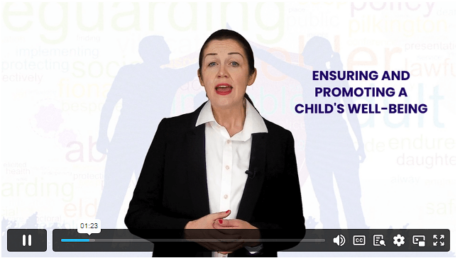
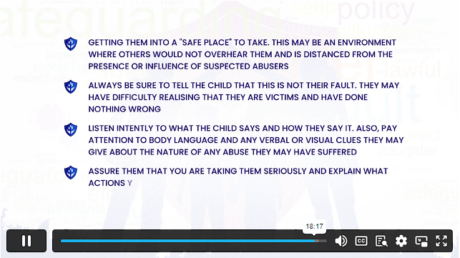
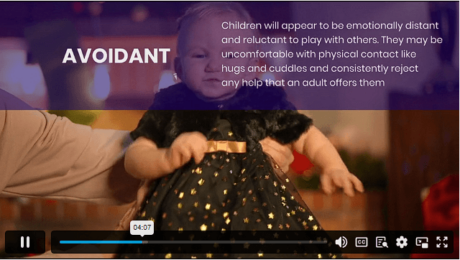
You will learn why safeguarding matters, the history and laws behind child protection in the UK, the signs of abuse and exploitation, how to assess risk, respond to disclosure, keep accurate records, identify trafficking concerns, and support children’s mental health and basic needs.
Enrol now and build the judgement employers trust when children need safe, lawful, child-centred action in real-world practice daily.
Learning outcomes emphasise safeguarding judgement over vague theory. You will learn to recognise warning signs, understand legal duties, respond to disclosures correctly, record concerns professionally, and support children through a child-centred approach, building confidence, sharper decisions, action, and safer practice.
This safeguarding children course online UK is designed to help you build essential, career-focused knowledge for child protection awareness, risk recognition, disclosure response, safeguarding reporting, and frontline support roles, giving you the confidence and subject understanding employers, schools, childcare providers, and support organisations increasingly value.
Safeguarding awareness matters beyond social work. This training suits people working with children, supporting families, managing environments, or strengthening child protection knowledge for credibility. It also helps career changers show safeguarding awareness before applying for education, support, or care roles..
There are no specific prerequisites to enrol in this Safeguarding Children – Level 2 Training course. Anyone and everyone can take this course.
The Safeguarding Children – Level 2 Training course is fully accessible from any internet-enabled smart device. So, you can study from the comfort of your home!
All you need is a passion for learning, basic literacy, and to be over the age of 16.
After successfully completing the Safeguarding Children – Level 2 Training course, you will qualify for a CPD Certificate as proof of your continued professional development and achievement. This certificate can enhance your professional profile and showcase your commitment to building relevant skills and knowledge. You can receive your digital certificate for only £10, or request a printed hard copy sent by post for just £29 or both for £39.
After successfully completing the Safeguarding Children – Level 2 Training course, learners will be able to order a QLS Endorsed Certificate as proof of their new achievement. The Level QLS Endorsed certificate can be ordered and get delivered to your home by post for £119 only. There is an additional £10 postage charge for international students.
For assessing your learning, you have to complete an automated MCQ exam. It is required for the students to score at least 60% to pass the exam and fulfil the Quality Licence Scheme-endorsed certificate criteria. Learners can apply for the certificate after they clear the exam.
There are assignment questions provided at the end of the course. You are suggested to complete the questions to enrich your understanding of the course. You can complete this according to your preferred time. The expert tutor will provide feedback on your performance after assessing your assignment.
Safeguarding knowledge strengthens employability across education, childcare, youth support, family services, and residential care. It will not replace regulated qualifications, but it does make you more credible, more useful, and less risky to hire. Below are UK roles where safeguarding awareness matters and where this training supports stronger frontline practice.
Teaching assistants support pupils in classrooms, help with learning activities, and often notice behavioural, emotional, attendance, or welfare concerns early. Strong safeguarding awareness matters because they work close to children, teachers, and pastoral teams every day. This role suits organised, observant people who want practical school-based support work in practice.
Salary range: £19,000 – £26,000
Nursery workers help babies and young children learn, develop, play, and stay safe in early years settings. Because they work closely with children during routines, behaviour changes and welfare concerns are often noticed here first. Safeguarding knowledge strengthens day-to-day judgment, record-keeping, and communication with colleagues, parents, and leads every day.
Salary range: £16,000 – £24,000
Learning mentors support children and trainees who need extra help with attendance, behaviour, confidence, or engagement. Safeguarding matters because warning signs often appear through patterns in mood, punctuality, relationships, or withdrawal. This role suits calm, dependable people who can build trust, listen properly, and escalate concerns without hesitation or confusion.
Salary range: £16,500 – £24,000
Playworkers supervise children in wraparound care, after-school provision, and holiday settings while encouraging safe development through play. Because they see children in less formal environments, they may spot injuries, anxiety, bullying, or neglect indicators others miss. Safeguarding awareness helps them act properly, record concerns, and protect children with confidence daily.
Salary range: £14,500 – £22,000
Family support workers help parents and carers manage routines, behaviour, development, and practical pressures affecting children at home. They often see safeguarding risks in real family contexts, not just paperwork. Strong child protection awareness helps them assess concerns, keep records, work with agencies, and support safer outcomes for children consistently.
Salary range: £24,000 – £36,000
Social work assistants help people with emotional, social, and practical needs while supporting wider care plans and services. In child-focused contexts, safeguarding knowledge matters because they may encounter disclosures, escalating family risk, or welfare concerns. This role suits resilient people who can document clearly, follow procedure, and communicate professionally daily.
Salary range: £20,000 – £28,000
Residential support workers care for children or vulnerable people in supported living or residential settings. They manage routines, wellbeing, safety, and emotional support across shifts. Safeguarding awareness is essential because risk, disclosure, boundaries, and incident recording are part of daily reality. This role suits dependable people with judgment under pressure.
Salary range: £22,000 – £30,000
Youth workers support young people with personal, social, and educational development, often building trust where schools or families struggle. Safeguarding matters because exploitation, abuse, criminal risk, and mental health concerns can emerge through conversation and behaviour. This role suits steady, credible communicators who can support, challenge, and escalate concerns responsibly.
Salary range: £22,000 – £35,000
Education welfare officers work on attendance, school engagement, and support for children facing barriers to education. Persistent absence can signal deeper safeguarding issues, so strong awareness matters. The role suits organised professionals who can investigate concerns, liaise with families and schools, and balance child welfare with practical intervention and accountability.
Salary range: £24,000 – £32,000
Early years teachers lead learning, development, and care for young children during a stage where they may not explain harm clearly. Safeguarding awareness matters because professionals must notice patterns, respond to concerns, and protect wellbeing alongside education. This role suits qualified practitioners who combine teaching ability with sharp child-centred judgment.
Salary range: £27,000 – £42,000
Youth offending team officers work with young people to reduce offending, manage risk, and support safer life choices. Many cases involve trauma, exploitation, unmet needs, or safeguarding concerns. This role suits resilient professionals who can assess risk, coordinate with agencies, keep records, and maintain boundaries while protecting vulnerable young people.
Salary range: £26,000 – £39,000
Safeguarding Children Level 2 is intermediate child protection training for people who work with children and young people more directly or more regularly. It usually goes beyond basic awareness and covers recognising abuse, responding to disclosures, recording concerns, risk assessment, escalation, and safer professional practice.
People working in schools, colleges, childcare settings, youth services, family support, health, social care, and other child-facing roles benefit from stronger safeguarding knowledge. Statutory guidance applies widely across organisations and agencies working with children, while school and college staff are expected to understand safeguarding responsibilities.
There is no single universal law saying every worker must hold a course labelled “Level 2.” That said, safeguarding duties themselves are mandatory in many child-facing settings, and employers often require Level 2 or equivalent child protection training to prove role-ready knowledge.
Duration depends on the provider, delivery method, and depth of assessment. Online Safeguarding Children Level 2 options are usually designed to be flexible, so learners can complete training around work, family, or study rather than follow a rigid classroom schedule.
Anyone working directly with children in education should take safeguarding seriously. Keeping Children Safe in Education states that everybody working in a school or college should understand safeguarding responsibilities, and staff who work directly with children should read at least Part One of the guidance.
Yes. Online Safeguarding Children Level 2 training is common because it suits working professionals, career changers, volunteers, and childcare staff who need flexible study. A strong online option should still cover law, abuse indicators, disclosure response, record-keeping, and reporting pathways properly.
A Safeguarding Children Level 2 Certificate can strengthen your CV, support internal compliance, and give employers clearer evidence of child protection awareness. It is especially useful for safeguarding training for teachers level 2, safeguarding training for childcare staff, pastoral roles, and support work involving children and young people.
Level 1 usually covers basic awareness: what safeguarding means, major abuse categories, and when to report concerns. Level 2 goes further into practical response, record-keeping, disclosure handling, risk factors, exploitation, trafficking, and professional judgement. In plain English, Level 2 is more useful if your contact with children is regular.
You should know the Children Act 1989 foundation, Working Together to Safeguard Children, and, for education settings, Keeping Children Safe in Education. Those documents shape how professionals identify concerns, share information, escalate risk, and protect children through lawful, child-centred safeguarding practice.
It should. A credible Level 2 Safeguarding Children Course needs to cover the signs of abuse, exploitation risks, what to do when a child discloses harm, how to keep records, and how to escalate concerns through proper procedures rather than improvising badly.
If the provider awards CPD-accredited certification, then yes, it can count toward continuing professional development. That matters for professionals who need evidence of updated safeguarding awareness, especially when applying for roles, renewing responsibilities, or completing safeguarding children refresher level 2 expectations within their setting.
Yes, because employers do not want staff who panic, miss warning signs, or create risk through sloppy reporting. Child Abuse Awareness Training Level 2 and Safeguarding of Children and Young People Level 2 training help show that you understand professional boundaries, safer responses, and the basics of lawful child protection practice.
| Module 01: Why We Need to Safeguard Children | |||
| Why We Need to Safeguard Children | 00:13:00 | ||
| Module 02: Child Protection History and Laws in the UK | |||
| Child Protection History and Laws in the UK | 00:13:00 | ||
| Module 03: The Danger of Child Abuse and Exploitation | |||
| The Danger of Child Abuse and Exploitation | 00:19:00 | ||
| Module 04: Assessing Risks and Responding to Disclosure | |||
| Assessing Risks and Responding to Disclosure | 00:15:00 | ||
| Module 05: Keeping Records and Identifying Trafficking | |||
| Keeping Records and Identifying Trafficking | 00:11:00 | ||
| Module 06: Supporting Children's Mental Health and Basic Needs | |||
| Supporting Children’s Mental Health and Basic Needs | 00:13:00 | ||
| Module 01: Why We Need to Safeguard Children | |||
| Why We Need to Safeguard Children | 00:13:00 | ||
| Module 02: Child Protection History and Laws in the UK | |||
| Child Protection History and Laws in the UK | 00:13:00 | ||
| Module 03: The Danger of Child Abuse and Exploitation | |||
| The Danger of Child Abuse and Exploitation | 00:19:00 | ||
| Module 04: Assessing Risks and Responding to Disclosure | |||
| Assessing Risks and Responding to Disclosure | 00:15:00 | ||
| Module 05: Keeping Records and Identifying Trafficking | |||
| Keeping Records and Identifying Trafficking | 00:11:00 | ||
| Module 06: Supporting Children's Mental Health and Basic Needs | |||
| Supporting Children’s Mental Health and Basic Needs | 00:13:00 | ||