Master precision with the Proofreading & Copy Editing Course (Level 4 Diploma), a CPD-accredited route for aspiring proofreaders, copy editors, editorial assistants, and freelance editors. Aimed at those who want to become trusted language professionals, this career-focused programme turns sharp eyes into real opportunities—helping you spot hidden errors, polish copy confidently, and step toward flexible, in-demand editorial work today online.
4.8
(8 Reviews)
31 Students
Exclusive Deal! 94% Off, Today Only!
Sale Ends In
CPD Point
Do you already spot awkward sentences, spelling slips, and formatting mistakes others miss—and wonder whether that sharp eye could become real income or a credible step into publishing? If so, this proofreading course is relevant to you, because businesses, publishers, educators, marketers, and digital brands all depend on clear, accurate, trustworthy copy.
The opportunity is practical. The UK publishing industry generates ÂŁ7.2 billion in turnover, directly employs 30,000 people, and supports more than 84,000 jobs. In 2024, digital formats were a key driver of growth, audiobook revenue reached ÂŁ268 million, up 31% year on year, and fiction revenue passed ÂŁ1 billion for the first time. In the US, editors are projected to see 9,800 openings a year on average through 2034. Editorial skill remains valuable, especially for learners exploring how to become a proofreader, how to become a copy editor, or how do I start proofreading from home.
This Level 4 proofreading and copy editing course helps you build those skills step by step. You will learn proofreading basics, style guide application, spelling and grammar control, paper proofreading, on-screen proofreading, copy-editing basics, language use, fact and accuracy checking, beginning and ending checks, legal checks, and practical strategies for finding work. Whether you are comparing a proofreading course online, a copy editing course online, an online proofreading course with certificate, proofreading certification online, or a freelance proofreading course online, this programme gives you training you can apply immediately.
If you are asking what qualifications do you need to be a proofreader, do you need a certificate to be a proofreader, can I become a proofreader without a degree, or what is the difference between proofreading and copy editing, start building skill, confidence, and proof of competence now. Enrol today and turn precision into a professional advantage.
Build practical editorial confidence as you progress from proofreading foundations to professional copy editing techniques. You will learn how to spot errors, apply style guides, improve clarity, check facts, manage legal considerations, and prepare polished content for print and screen while developing the career awareness needed to find paid work.
This proofreading and copy editing course online UK is designed to help you build essential, career-focused knowledge for editorial accuracy, language consistency, document quality control, and publishing support roles, giving you the confidence and subject understanding employers, clients, and content-led organisations increasingly value.
Whether you want a flexible side hustle, a route into publishing, or stronger professional writing skills, this programme suits beginners and developing editors alike. It is especially valuable for learners who enjoy language, notice detail, and want practical training that supports remote work, freelancing, or career change opportunities today confidently.
There are no specific prerequisites to enrol in this Proofreading & Copy Editing Course (Level 4 Diploma). Anyone and everyone can take this course.
The Proofreading & Copy Editing Course (Level 4 Diploma) is fully accessible from any internet-enabled smart device. So, you can study from the comfort of your home!
All you need is a passion for learning, literacy, and to be over the age of 16.
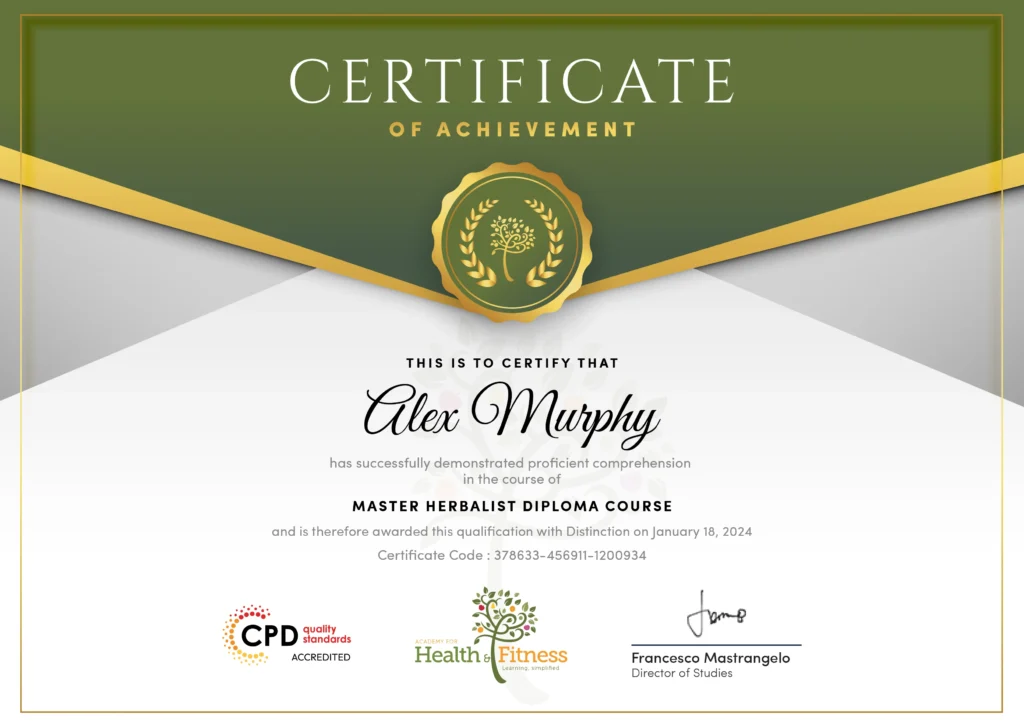
After successfully completing the course, you will qualify for a CPD Certificate as proof of your continued professional development and achievement. This certificate can enhance your professional profile and showcase your commitment to building relevant skills and knowledge. You can receive your digital certificate for only ÂŁ10, or request a printed hard copy sent by post for just ÂŁ29 or both for ÂŁ39.
For assessing your learning, you have to complete an automated MCQ exam. It is required for the students to score at least 60% to pass the exam and fulfil the Quality Licence Scheme-endorsed certificate criteria. Learners can apply for the certificate after they clear the exam.
There are assignment questions provided at the end of the course. You are suggested to complete the questions to enrich your understanding of the course. You can complete this according to your preferred time. The expert tutor will provide feedback on your performance after assessing your assignment.
Strong proofreading and copy editing skills support opportunities across publishing, digital content, communications, journalism, and freelance services. As organisations publish more online and protect brand credibility carefully, detail-focused professionals remain valuable. Below are roles this training can support, with typical UK salary ranges drawn from National Careers Service profiles today.
Proofreaders carry out the final quality check on text before publication, correcting spelling, punctuation, grammar, formatting, and minor layout issues. They are valued by publishers, businesses, agencies, authors, and training providers that need polished documents, websites, reports, and marketing materials. Strong attention to detail and consistency are essential for success.
Salary range: £22,000 – £34,000
Copy editors refine text before final layout, improving clarity, consistency, grammar, punctuation, tone, structure, and house style compliance. They may query inaccuracies, smooth awkward phrasing, and ensure content is ready for publication across print, digital, and audio formats. This role suits analytical readers who enjoy making writing stronger professionally consistently.
Salary range: £24,000 – £46,000
Editorial assistants support books, journals, magazines, and online publishing projects from commissioning to production. Tasks can include manuscript administration, author communication, scheduling, permissions, basic copy checks, and coordinating editorial workflows. It is a strong entry route for organised learners who want publishing experience and progression into senior editorial positions later.
Salary range: £24,000 – £30,000
Web content editors research, write, edit, and manage digital content for websites, landing pages, knowledge bases, and social platforms. Proofreading and copy editing skills help them protect brand voice, accuracy, readability, and SEO quality. This role is ideal for learners who want editorial work in fast-moving digital environments today online.
Salary range: ÂŁ25,000 – ÂŁ40,000Â
Technical authors turn complex information into clear instructions, user guides, manuals, policies, and process documents. Accuracy, consistency, terminology control, and logical structure are crucial, making proofreading and copy editing highly relevant. This path suits precise communicators who enjoy translating specialist knowledge into accessible content for readers and users everyday confidently.
Salary range: £27,000 – £50,000
Advertising copywriters create persuasive copy for campaigns, adverts, emails, product pages, and brand messaging. Strong editorial skills help them sharpen tone, remove errors, maintain consistency, and adapt language for different audiences. This career suits creative thinkers who enjoy words, conversion-focused writing, and collaborating with designers, strategists, and marketing teams daily.
Salary range: £20,000 – £80,000
Editors oversee the quality, style, structure, and publishing direction of articles and features across print or digital titles. They commission work, shape copy, enforce standards, and guide teams through production. Proofreading and copy editing expertise provide a strong foundation for this progression role within journalism and publishing environments today confidently.
Salary range: ÂŁ26,000 – ÂŁ45,000Â
Journalists research, verify, write, and edit stories for newspapers, magazines, and online publications. Proofreading and copy editing skills improve accuracy, clarity, fact-checking, headlines, and deadline performance. This route suits curious learners who want to report responsibly, produce publishable copy, and grow within fast-paced editorial newsrooms over time professionally and confidently.
Salary range: ÂŁ24,000 – ÂŁ45,000Â
Marketing executives create and optimise promotional materials across email, web, print, and social channels. Editorial accuracy matters because weak grammar, inconsistent tone, and unclear messaging can damage trust and reduce conversion. This role suits organised communicators who want broader commercial opportunities while using proofreading skills in brand-focused content production roles.
Salary range: ÂŁ23,000 – ÂŁ50,000Â
Public relations officers shape public messaging, media releases, website copy, speeches, and stakeholder communications. Proofreading and copy editing skills help them protect reputation, maintain consistency, and avoid costly errors in external materials. This path suits confident communicators who want editorial precision combined with relationship-building and strategic communication responsibilities at work.
Salary range: ÂŁ22,000 – ÂŁ40,000Â
Start by building excellent written English, learning proofreading workflow, practising on paper and on screen, and creating sample work. The National Careers Service says common routes include university, apprenticeship, working towards the role, and specialist courses run by professional bodies or private training organisations.
There is no single mandatory qualification. The National Careers Service says a degree in subjects such as English, publishing, journalism, or digital media can be useful, but it also lists apprenticeships, specialist courses, and progression from related roles. Accuracy, consistency, and editorial judgement matter most.
A certificate is not legally required to work as a proofreader. However, structured training can strengthen your CV, improve confidence, and help demonstrate professional commitment, especially when you are trying to win freelance work or entry-level editorial opportunities.Â
Yes. The National Careers Service lists several routes into proofreading beyond university, including apprenticeship, specialist courses, and working towards the role from related jobs. A degree may help, but it is not the only path into proofreading work.
According to the Chartered Institute of Editing and Proofreading, copyediting focuses on grammar, spelling, punctuation, consistency, formatting, and clarity before layout. Proofreading comes later and acts as the final quality check after editing and layout, just before publication or sharing.
Build strength in grammar, punctuation, clarity, structure, house style, and fact-checking, then practise editing a range of texts and create a portfolio. The National Careers Service says routes include university, apprenticeship, working towards the role, and specialist training with professional bodies.
Begin with structured training, daily practice, strong command of style guides, and a small portfolio of polished samples. The National Careers Service notes that proofreaders and copy editors may work freelance or self-employed, making home-based editorial work a realistic goal for many learners.Â
It can be a strong choice for people who enjoy precise language work and want flexible or freelance options. The UK publishing sector remains substantial at ÂŁ7.2bn turnover, digital publishing grew in 2024, and U.S. data still projects around 9,800 editor openings annually through 2034, so the market is steady rather than effortless.
Start by mastering grammar, punctuation, consistency, readability, and fact-checking, then create portfolio samples that show real improvement to text. Entry-level roles such as editorial assistant can provide a practical route into publishing and progression into copy editing, editorial support, and later editing leadership.
Common progression routes include proofreader, copy editor, editorial assistant, web content editor, and technical author. Related opportunities can also extend into journalism, PR, marketing, and editor-level publishing roles when you combine training with practice, portfolio work, and strong written communication.Â
It is worthwhile when the training builds practical skills, portfolio pieces, style-guide confidence, and work-finding strategies. Because the National Careers Service notes freelance and self-employed options for both proofreaders and copy editors, career-focused training can be especially useful for learners targeting remote income.
Look for training that covers proofreading basics, copyediting, style guides, grammar, fact-checking, legal checks, on-screen workflows, and career development. A strong programme should also teach the difference between proofreading and copyediting so you can position your services accurately and professionally.Â
You can begin building core skills quickly, but professional confidence comes through repeated practice, feedback, and real-world application. The fastest progress usually comes from structured study, steady exercise, and focused portfolio building rather than passive theory alone.
| Module 1: Proofreading Basics | |||
| Proofreading basics | 01:26:00 | ||
| Module 2: Applying the Style Guide | |||
| Applying the Style Guide | 00:31:00 | ||
| Module 3: Spelling and Grammar | |||
| Spelling and Grammar | 00:31:00 | ||
| Module 4: Proofreading on Paper | |||
| Proofreading on Paper | 00:23:00 | ||
| Module 5: Proofreading On-Screen | |||
| Proofreading On-screen | 01:37:00 | ||
| Module 6: Copy-Editing Basics | |||
| Copy-editing basics | 01:36:00 | ||
| Module 7: Copy-Editing – The Use of Language | |||
| Copy-Editing – The Use of Language | 01:00:00 | ||
| Module 8: Copy-Editing – Checking Accuracy and Facts | |||
| Copy-editing – Checking Accuracy and Facts | 00:26:00 | ||
| Module 9: Copy-Editing – The Beginning and The End | |||
| Copy-Editing -The Beginningand the End | 00:23:00 | ||
| Module 10: Copy-Editing – Legal Checks | |||
| Copy editing legal Checks | 00:44:00 | ||
| Module 11: Finding Work and Developing Your Career | |||
| Finding Work and Developing Your Career | 00:32:00 | ||
| Mock Exam | |||
| Mock Exam – Proofreading & Copy Editing Course (Level 4 Diploma) | 00:20:00 | ||
| Final Exam | |||
| Final Exam – Proofreading & Copy Editing Course (Level 4 Diploma) | 00:20:00 | ||
| Order Your Certificate | |||
| Order your Certificate | 00:00:00 | ||
| Module 1: Proofreading Basics | |||
| Proofreading basics | 01:26:00 | ||
| Module 2: Applying the Style Guide | |||
| Applying the Style Guide | 00:31:00 | ||
| Module 3: Spelling and Grammar | |||
| Spelling and Grammar | 00:31:00 | ||
| Module 4: Proofreading on Paper | |||
| Proofreading on Paper | 00:23:00 | ||
| Module 5: Proofreading On-Screen | |||
| Proofreading On-screen | 01:37:00 | ||
| Module 6: Copy-Editing Basics | |||
| Copy-editing basics | 01:36:00 | ||
| Module 7: Copy-Editing – The Use of Language | |||
| Copy-Editing – The Use of Language | 01:00:00 | ||
| Module 8: Copy-Editing – Checking Accuracy and Facts | |||
| Copy-editing – Checking Accuracy and Facts | 00:26:00 | ||
| Module 9: Copy-Editing – The Beginning and The End | |||
| Copy-Editing -The Beginningand the End | 00:23:00 | ||
| Module 10: Copy-Editing – Legal Checks | |||
| Copy editing legal Checks | 00:44:00 | ||
| Module 11: Finding Work and Developing Your Career | |||
| Finding Work and Developing Your Career | 00:32:00 | ||
| Mock Exam | |||
| Mock Exam – Proofreading & Copy Editing Course (Level 4 Diploma) | 00:20:00 | ||
| Final Exam | |||
| Final Exam – Proofreading & Copy Editing Course (Level 4 Diploma) | 00:20:00 | ||
| Order Your Certificate | |||
| Order your Certificate | 00:00:00 | ||